
COP31 in Antalya runs into overtime as fossil fuel wording splits nearly 200 countries
The UN climate summit in Turkey has overrun its deadline because the draft deal leaves out fossil fuels, with the EU and others pushing back and the outcome still uncertain.
By Hushread Stories, from 37 outlets · First published 22 Nov 2026 · Chapter 1 of 2
In brief
- The COP31 summit in Antalya, Turkey, was due to close on Friday 20 November but has run into a second day of overtime.
- The main draft deal removed all mention of fossil fuels, angering the EU, France, Panama and groups of countries from several regions.
- Disputes over climate finance for poorer nations, carbon capture technology and electrification have also held up an agreement.
- Reports on Saturday night said some countries were weighing a public confrontation with Saudi Arabia and its allies over a fossil fuel phase-out.
- On Sunday summit president Murat Kurum said a new text could win consensus, though it still does not name fossil fuels.

Timeline · 10 moments
Negotiators given three hours to object before plenary
News ↗Kurum says text can win agreement from all parties
Japan Times ↗Presidency tables new draft, still no fossil fuels
Deutschlandfunk - Fortlaufende Nachrichten vom 24. August 2026 ↗Countries weigh showdown with Saudi Arabia over phase-out
Irish Times ↗Summit acknowledges 1.5-degree target has been missed
FOCUS Online ↗EU official says good deal or no deal
Reuters ↗France and Panama letter urges transition away from fossil fuels
Euronews ↗EU warns of a 'fossil summit' as talks overrun
Al Jazeera ↗Countries demand explicit fossil fuel action and finance
UN News - Global perspective Human stories ↗Draft deal drops all mention of fossil fuels
Deutsche Welle ↗How it started
The COP31 summit in Antalya was meant to finish on Friday 20 November after two weeks of talks among nearly 200 countries. It is hosted by Turkey, with Australia sharing the presidency.
The argument that dominated the final days was about one thing missing from the paper. Deutsche Welle reported that a new draft declaration did not mention a phase-out of fossil fuels, the main drivers of climate change. Il Post made the same point, noting that the leading cause of global warming was not cited in the draft.
The omission set off criticism before the scheduled closing day was out.
How it unfolded
On Friday 20 November, UN News reported that a group of countries from Europe, Africa, Latin America and the Pacific had challenged the proposed agreement, demanding explicit action on fossil fuels and stronger climate finance. Mint said nations in Europe, Central America and the Pacific also accused the oil and gas sector of swaying negotiations. The Globe and Mail carried a warning that the talks risked being the "worst COP ever".
Al Jazeera reported that the EU warned the summit risked turning into a "fossil summit". Euronews said a number of countries, including France and Panama, released a letter insisting that a deal include "a clear transition away from fossil fuels." With no agreement, the Independent said the talks looked likely to stretch into the weekend, and they did.
On Saturday 21 November, Reuters quoted the EU's top climate official as saying the summit would produce either a good deal or no deal at all. The BBC described the talks as deadlocked, and SBS noted that the text argues for "electrification" as integral to tackling energy security concerns. FOCUS Online reported that the conference had acknowledged the 1.5-degree target had been missed.
By Saturday night, the Irish Times reported, there was no agreement on funding, carbon capture and storage technology, or the push for electrification. Another report, carried by Times Now, said the summit had ground to a halt while some countries decided whether to force a public confrontation with Saudi Arabia and its allies over moving away from fossil fuels.
Overnight the presidency moved. Deutschlandfunk reported that the Turkish-Australian presidency announced a new draft, and DIE ZEIT said it was presented in the night. Arab News said the presidents hoped the new package would achieve consensus.
Where it stands
On Sunday 22 November, the summit was two days past its scheduled end. Business Line said nearly 200 nations remained deadlocked over phase-out language and finance for developing countries.
Summit president Murat Kurum told a late-night plenary session, as quoted by the Japan Times, "We believe that we have put forward a text which all the parties can agree upon." But DIE ZEIT and FAZ both reported that the new text still contains no commitment to move away from fossil energies, and CNA said fossil fuels are still missing from the latest draft.
The news outlet reported that Kurum gave negotiators only about three hours to object or request changes before the wording went to the plenary. La Repubblica said the EU disputes the presidency's text and that a decisive plenary was set for 7am Italian time, with a risk of a clash.
What to watch
The immediate question is whether the plenary adopts the presidency's text, and whether the EU and the countries demanding a fossil fuel transition accept it or force a public fight. La Repubblica flagged a possible showdown in the plenary.
Open too is whether finance for poorer countries, carbon capture and electrification can be settled alongside the fossil fuel wording. Coverage does not yet say how those points are handled in the new draft.
More in Environment
All →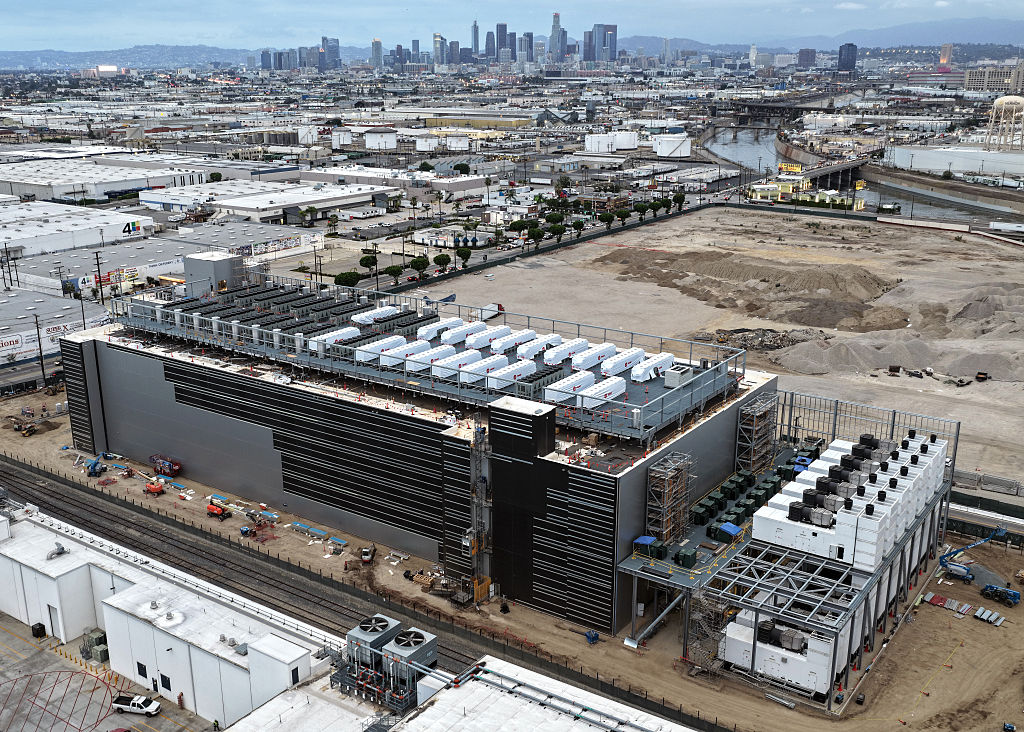
Harvard Study: 400 US Hyperscale Data Centers Use More Power Than Michigan
New research puts a number on the AI building boom: the largest US data centers draw about 2% of national electricity and emit as much carbon as Denmark, and the true totals may be higher.
38 sources · over 8 days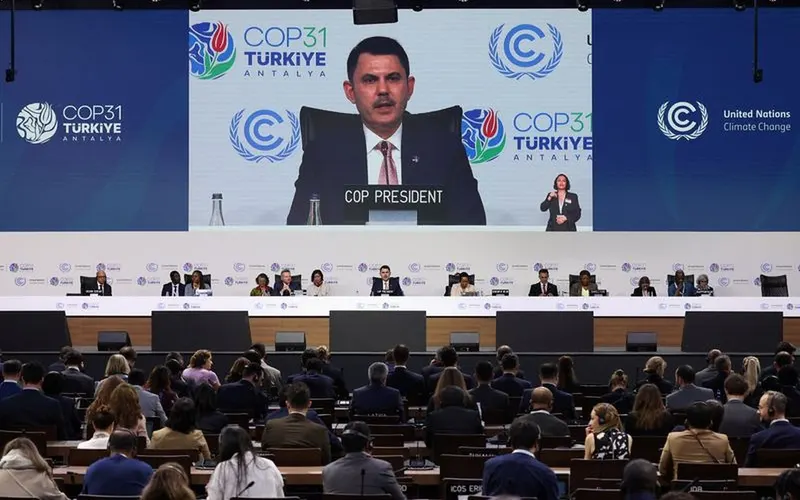
COP31 Antalya talks end without deal after EU rejects fossil fuel-free text
Some 130 parties refused the presidency's consensus text, leaving the fossil fuel phase-out and climate finance unresolved after the longest talks in summit history.
75 sources · over 7 days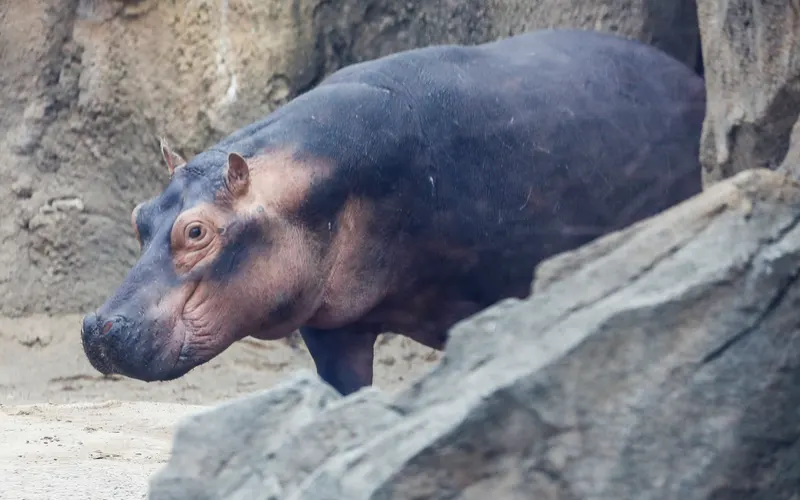
Fiona the hippo dies at Cincinnati Zoo 11 days after swallowing a visitor's hat
The zoo's famous nine-year-old hippo, who survived a premature birth in 2017, died despite round-the-clock care after a knit cap ended up in her enclosure, prompting grief and questions.
51 sources · over 6 days