
CoreWeave shares and bonds slide as AI debt concerns deepen
Rising bond yields and default protection costs are testing confidence in CoreWeave's debt-funded expansion, even as its CEO and Nvidia defend the data centre operator.
By Hushread Stories, written with AI from 13 outlets · First published 15 Oct 2026
In brief
- CoreWeave shares and bonds fell again Thursday as investors questioned the debt financing behind its AI infrastructure expansion.
- Shares closed Wednesday at $65.78 after falling 15%, their biggest one day decline since February.
- Bonds issued six months earlier traded at 81 cents on the dollar Wednesday, with yields exceeding 15%.
- CEO Mike Intrator pointed to a strong backlog, while Nvidia CEO Jensen Huang said no backstop was needed.
- CoreWeave is seeking insurance industry capital for its buildout while the cost of protection against default rises.
Timeline · 6 moments
Credit default swaps reach distress levels amid debt concerns
CNBC ↗Nvidia CEO Huang says CoreWeave needs no backstop
Bloomberg Technology ↗Shares and bonds fall again despite CEO assurances
CNN Brasil ↗Intrator reassures staff with memo citing strong backlog
World News CNA ↗Bonds fall to 81 cents as yields exceed 15%
MarketWatch ↗CoreWeave targets insurance capital to finance data centre expansion
Financial Times ↗How it started
CoreWeave's push to finance more AI infrastructure has collided with investors' growing unease about its borrowing. The Nvidia-backed cloud provider is seeking insurers' capital to fund its data centre expansion, according to the Financial Times.
The funding ambition is substantial. Bloomberg Technology described a goal of securing an investment-grade credit rating and gaining access to "unlimited" funding. But the company's bonds have been trading at levels that signal much greater investor concern.
How it unfolded
On October 14, the Financial Times reported that a CoreWeave co-founder was targeting insurers' vast pools of capital for loans to finance the buildout.
That day, CoreWeave bonds issued six months earlier fell to 81 cents on the dollar, yielding more than 15%, MarketWatch reported. Its shares also dropped 15% to $65.78 on Wednesday, their biggest one-day decline since February, according to Business Line - Home.
CEO Mike Intrator sought to reassure staff with a memo pointing to a strong backlog, World News CNA reported on October 14. The company stood by its business model and described the market as acting "irrationally," according to Business Line - Home.
The pressure continued on October 15. Shares and bonds fell again despite the CEO's assurances about the contract backlog, CNN Brasil reported. Fast Company put the stock's decline over the preceding week at more than 25%.
Also on October 15, Nvidia CEO Jensen Huang said CoreWeave was getting financially stronger, according to Bloomberg Technology. He said Nvidia did not need to backstop the company and that its cost of capital was decreasing, The Next Web reported.
Where it stands
The market signals remain strained. Buying protection against a CoreWeave default has become more expensive, according to MarketWatch, while CNBC reported that its credit default swaps had reached distress levels on Thursday.
That leaves a sharp divide between management's confidence and investors' pricing of risk. Intrator has stressed the backlog, and Huang has rejected the need for a backstop. Yet falling bond prices and rising default protection costs show those assurances have not settled the funding concerns.
What to watch
The concrete funding issue is whether CoreWeave can turn its pursuit of insurance industry capital into loans for the buildout described by the Financial Times. The coverage does not establish that this financing has been secured.
Bond yields and default protection costs will show whether investor concern is easing. The unresolved tension is between Huang's claim that CoreWeave's cost of capital is decreasing, reported by The Next Web, and the fresh credit market pressure reported by CNBC.
More in Business
All →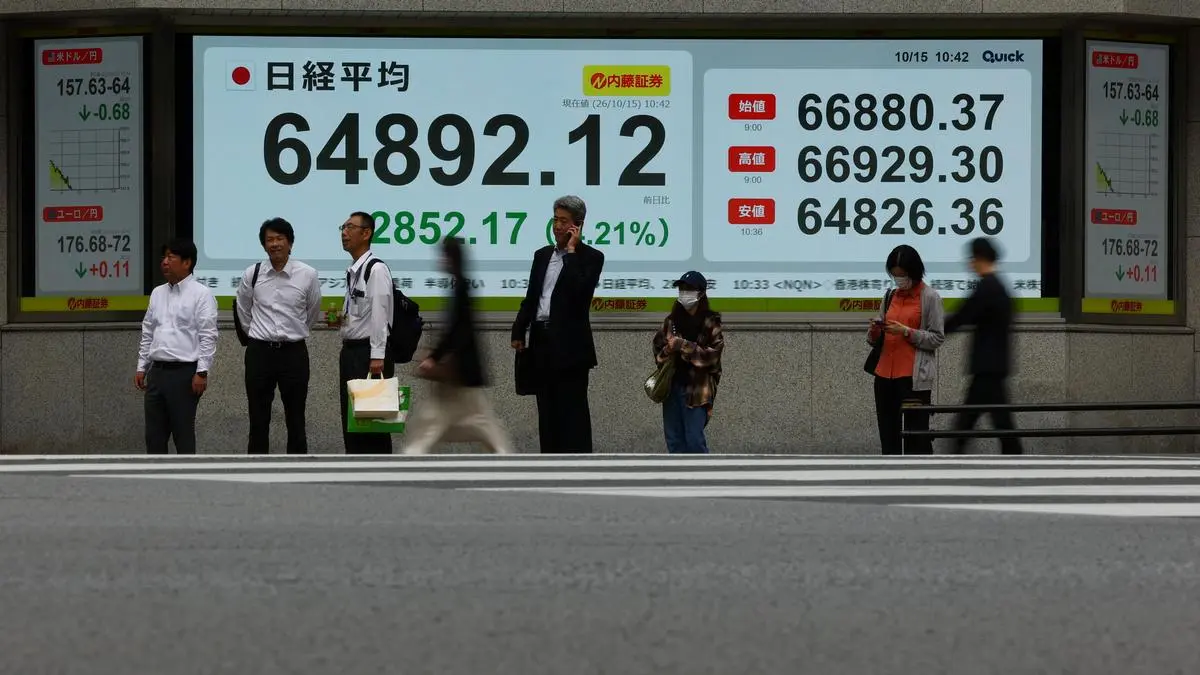
Global Chip Sell-Off Deepens as Inflation Adds to AI Investment Fears
South Korean chipmakers are taking heavy losses as doubts about AI spending, Chinese competition and higher borrowing costs spread across global technology markets.
23 sources · over 5 days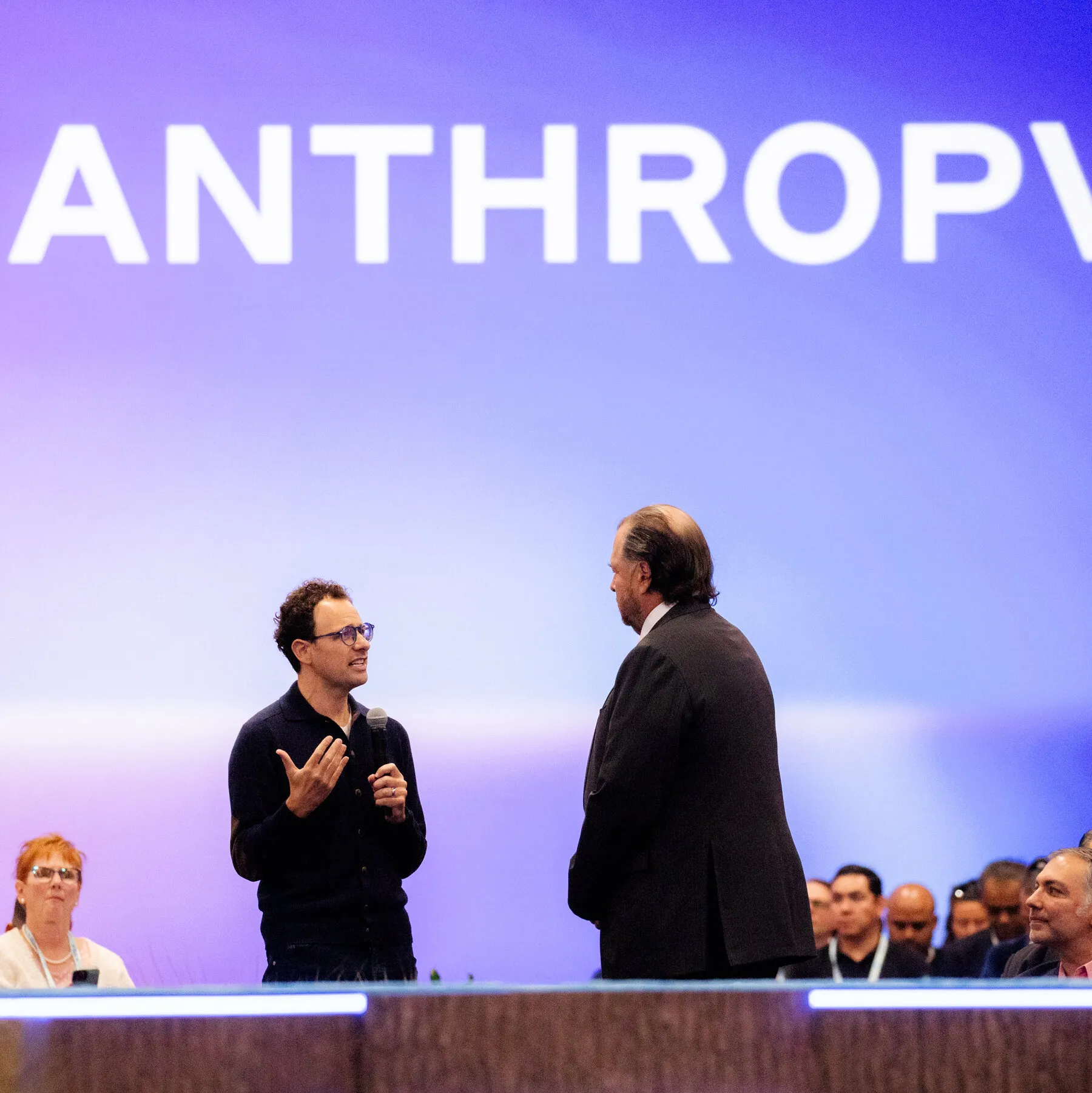
Anthropic Reports $16.8 Billion Quarterly Revenue Ahead of Planned IPO
Anthropic is taking surging sales and adjusted profitability to prospective investors as it prepares to go public, while doubts persist about growth and spending across the AI sector.
20 sources · over 2 days
UK Economy Grows 0.1% in August, Beating Expectations Before Budget
Britain recorded unexpected growth despite falling consumer spending, but the slowdown from July leaves chancellor John Healey preparing his first Budget with only modest economic momentum.
9 sources · today