
Cornell Fraternity Party Ban Fails to Quell Anger Over Assault Allegations
Cornell faces faculty criticism and protests despite suspending fraternity parties, while an independent review and online attempts to identify the accuser widen the crisis.
By Hushread Stories, written with AI from 36 outlets · First published 18 Oct 2026 · Chapter 5 of 5
Earlier: Cornell Fraternity Party Ban Fails to Quell Anger Over Assault Response
In brief
- Cornell has suspended parties and social events at fraternity houses for the rest of the academic year.
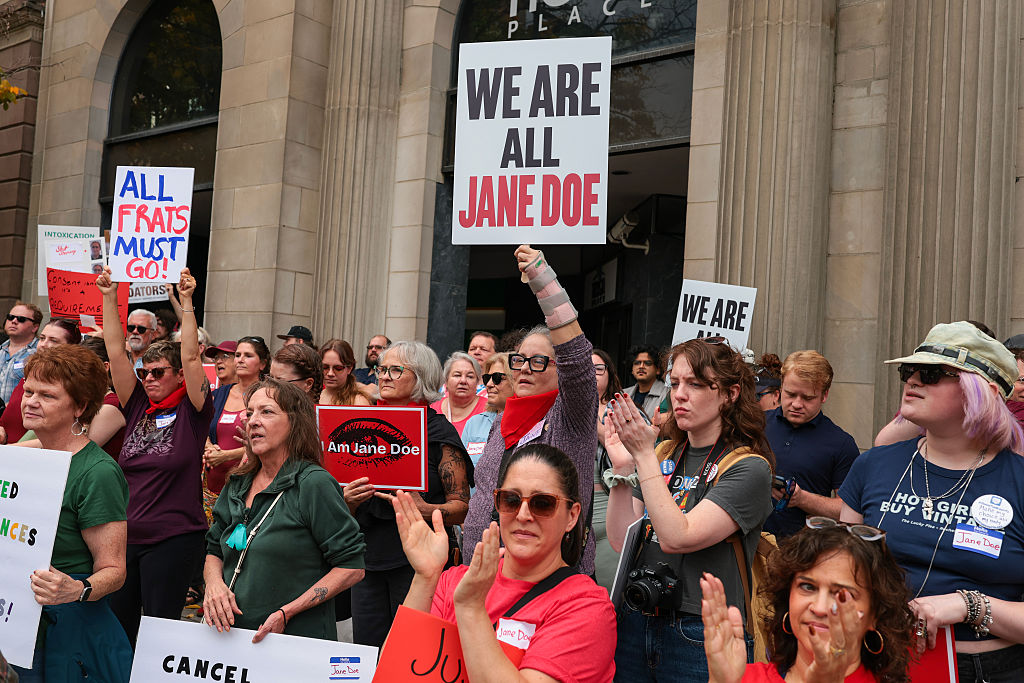
- A former student known as Jane Doe alleges seven men sexually assaulted her in October 2024.
- President Michael Kotlikoff faces faculty criticism and a proposed no confidence resolution over the university's response.
- Cornell appointed former US Deputy Attorney General Sally Yates to independently review its handling of the allegations.
- The university board appeared to support administrators as protests continued and online attempts to identify the accuser spread.
Timeline · 6 moments
Board appears to back administration as students protest
The New York Times ↗Online movement targets anonymity of Cornell accuser
The New York Times ↗Kotlikoff acknowledges he never followed up on report
The Independent ↗Faculty begin debating resolution condemning university response
ABCNews.com ↗Sally Yates appointed to independently review university response
Euronews ↗Cornell suspends fraternity parties for remaining academic year
NPR News ↗How it started
The case concerns a former Cornell University student, identified in court filings as Jane Doe, who alleges she was sexually assaulted at a fraternity house in October 2024. According to Yahoo News, she filed a civil lawsuit in September accusing seven men.
The allegations have also brought scrutiny of how Cornell and prosecutors responded. Le Monde reported that prosecutors had brought no charges against the alleged perpetrators in 2024. The allegations remain allegations, not findings of criminal guilt.
How it unfolded
On October 13, Cornell announced that parties and social events at fraternity houses would be suspended for the remainder of the academic year. NPR News reported that President Michael Kotlikoff apologized in a letter for what happened to the student and promised meaningful action.
Cornell also appointed former US Deputy Attorney General Sally Yates to conduct an independent review of its response, according to Euronews. The university gave New York State Police a role in investigating campus assault reports, Sydney Morning Herald reported on October 14.
The measures did not settle faculty concerns. At an October 14 meeting, Kotlikoff faced angry questions about the administration's handling of the report, according to Associated Press. Faculty began debating a no-confidence resolution, ABCNews.com reported.
Kotlikoff acknowledged that he had not followed up on the student's report, according to The Independent. Reporting published by The New York Times on October 15 described faculty members who remained unconvinced by the steps he had announced.
By October 17, the university's board appeared to back the administration, while students protested during homecoming weekend, The New York Times reported. That same day, Washington Post reported that an online campaign seeking to expose Jane Doe's identity had reached millions.
Where it stands
The fraternity party suspension is in place for the remainder of the academic year. It covers parties and social events at fraternity houses, rather than a stated closure of the fraternities themselves, according to France24.
Cornell's leadership still faces pressure over both its original response and whether its new measures go far enough. The board's apparent support contrasts with the faculty frustration and student protests described by The New York Times.
The accuser also faces attempts to strip away her anonymity. The New York Times reported on October 16 that an online movement to reveal her identity gained momentum after she named seven men in her lawsuit.
What to watch
The independent review led by Sally Yates is a central next step: Cornell has asked it to examine the university's response to the allegations, according to Euronews. Its findings will bear directly on the questions faculty have raised about institutional accountability.
The faculty no-confidence effort also remains a point to watch. The supplied coverage describes debate ahead of a vote, not a completed result, with some faculty members still dissatisfied after the party ban, according to The New York Times.
More in World
All →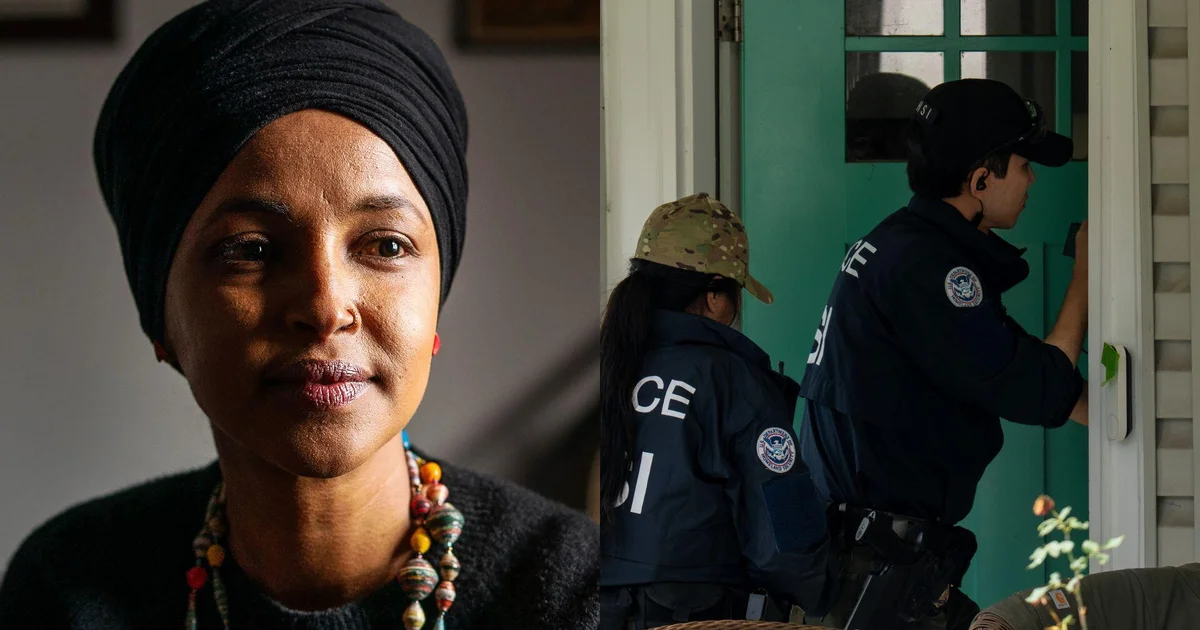
Ilhan Omar Home Search Expands Into Citizenship Inquiry and Family Subpoenas
Federal investigators have seized phones and subpoenaed relatives as scrutiny of Ilhan Omar's immigration history intensifies, while she denies wrongdoing and calls the search political intimidation.
60 sources · over 7 days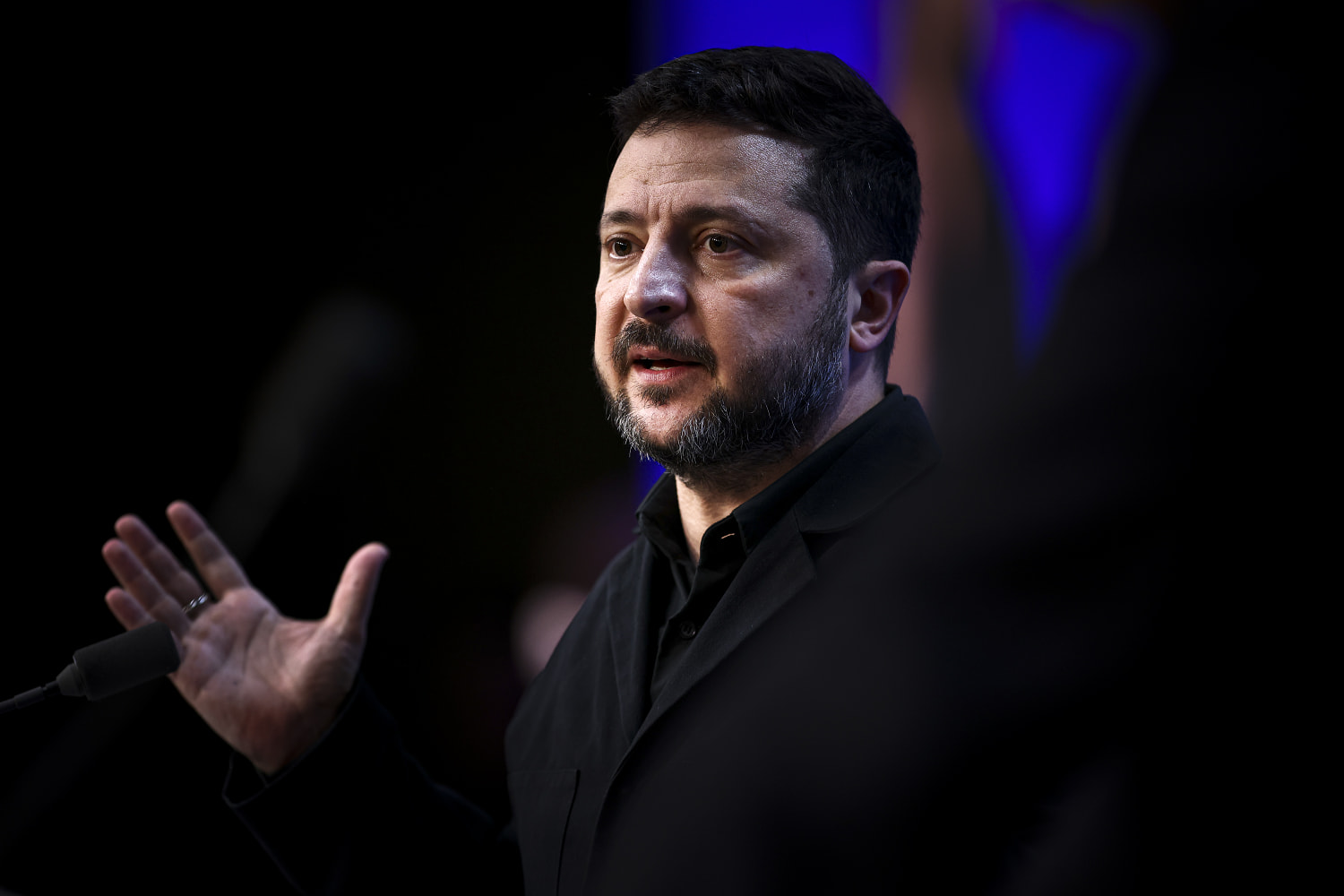
Zelenskyy challenges Trump's Russian diesel deal as allies seek to ease tensions
Washington's sanctions waiver has deepened a dispute with Kyiv over pressure on Russia, while resumed intelligence sharing and talks with American envoys offer a route to easing tensions.
99 sources · over 8 days
Ukraine hits St Petersburg oil sites as Russia attacks power grid
A Ukrainian drone barrage set Russian oil facilities ablaze as strikes on Ukraine's electricity network left widespread outages, testing a reported energy ceasefire before winter.
25 sources · over 8 days