
Crédit Mutuel Arkéa seeks stolen funds after €100 million cyberattack
The French bank is trying to recover stolen funds while investigators examine the attack, with customers promised no financial losses and the precise amount still unconfirmed.
By Hushread Stories, from 17 outlets · First published 5 Nov 2026
In brief
- Crédit Mutuel Arkéa said hackers accessed its systems and carried out fraudulent transactions in a cyberattack.
- France24 reported the transactions amounted to around €100 million, while the bank has not confirmed an exact total.
- The bank says the incident is contained and customers will not suffer financial losses from the attack.
- Reporting says the stolen funds came from the institution's own money rather than customers' accounts.
- An investigation is open, the bank is seeking to recover funds, and the attack method remains unclear.
Timeline · 7 moments
Bank seeks to recover funds after cyberattack
Financial Times ↗Investigation opened as attack method remains unclear
Franceinfo ↗Report identifies service provider route and cryptocurrency transfers
tech ↗Bank validates approximate scale of reported losses
The Block ↗Stolen funds linked to Fortuneo's own capital
Le Monde ↗Bank says incident contained and customers remain unaffected
Franceinfo ↗Bank confirms hackers accessed systems and stole money
Bloomberg Technology ↗Update 6 Nov 2026, 10:35 am UTC
France24 reports the bank put the fraudulent transactions at around €100 million, or $112 million. The newer coverage does not provide a confirmed exact loss or change the reported outcome for customers.
How it started
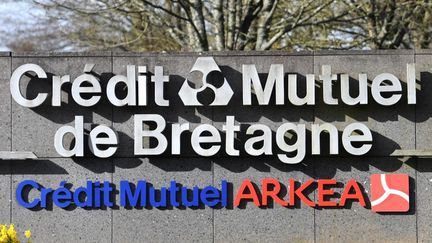
Crédit Mutuel Arkéa confirmed that hackers had accessed its computer systems and stolen money, Bloomberg Technology reported on November 4. The French bank said the intrusion enabled fraudulent transactions.
The distinction between the bank's money and customers' deposits is central to the story. Le Monde reported that attackers stole part of the own funds of Fortuneo, Arkéa's online bank. The bank has said customers will suffer no financial loss, according to Euronews.
How it unfolded
On November 4, Franceinfo reported a hack estimated at more than €100 million. The bank said the incident was under control and clients were not affected.
Other reporting that day put the amount at €118 million. Euronews made clear that the bank had not confirmed that figure, even as it acknowledged the attack.
On November 5, The Block reported that Crédit Mutuel Arkéa had validated the order of magnitude of a $133 million estimate without confirming the exact loss. Separately, World News CNA reported that the bank said €100 million was missing. These accounts indicate the scale of the theft, but do not establish a single confirmed total.
Reporting on the route into the bank also developed on November 5. tech reported that attackers went through a bank service provider and moved stolen money into cryptocurrency. However, Franceinfo said the thieves' method remained unclear, reporting the bank's description of a sophisticated external attack.
The recovery effort was also underway by November 5. The Financial Times reported that Crédit Mutuel Arkéa was seeking to recover funds stolen in an attack on the institution's own account.
Where it stands
The bank says the incident has been contained and customers' money is safe, according to The Next Web. That assurance does not mean the bank itself escaped a loss: the theft involved its own funds, according to reporting by Le Monde and the Financial Times.
An investigation has been opened, Franceinfo reported on November 5. The precise loss and the full method of the attack remain unresolved in the available coverage.
What to watch
The immediate questions are how much the bank can recover and what final loss it will confirm. The Financial Times reported the recovery effort, while The Block said the bank had confirmed only the approximate scale of the reported theft.
Investigators also need to establish how the attackers gained access and moved the money. The service provider and cryptocurrency route reported by tech offers a possible explanation, but Franceinfo reported that the method was still unclear.
More in Technology
All →
Tajani Reports Dark Web Data Leak and Threats Against Family
Italy's foreign minister says cybercriminals are circulating his personal data and threatening his family over support for Ukraine, while separate reporting also names Lo Voi as a target.
18 sources · today
Apple Releases iOS 27.3 Developer Beta Alongside Watch and Mac Updates
Apple's latest developer betas bring new Watch audio tools and a refreshed Health app into testing, while a separate, smaller iPhone update appears to be approaching.
28 sources · over 6 days
US Midterm Voters Reject Data Centers as OpenAI Promises Changes
A sweeping local backlash has pushed OpenAI to promise community safeguards, while its commitment to keep investing sets up further fights over where AI infrastructure gets built.
42 sources · over 3 days