
Eisenkot cancels Likud talks as Israel's new parliament challenges Netanyahu
Gadi Eisenkot has the mandate to form Israel's next government, but a rupture in unity talks leaves him seeking a coalition while Netanyahu's opponents assert parliamentary control.
By Hushread Stories, from 43 outlets · First published 11 Nov 2026 · Chapter 3 of 3
Earlier: Eisenkot moves against Netanyahu in parliament as coalition talks hit trouble
In brief
- President Isaac Herzog gave Gadi Eisenkot the mandate to try to form Israel's next government.
- Israel's new parliament was sworn in on Tuesday without a government agreed after the deadlocked election.
- Benjamin Netanyahu remains prime minister, while his opponents have a parliamentary majority but no governing coalition.
- Eisenkot's Yashar party cancelled a meeting with Likud after Netanyahu's speech at the Knesset swearing in.
- The opposition has nominated Matan Kahana as parliamentary speaker, while Eisenkot is proposing an October 7 inquiry.
Timeline · 5 moments
Eisenkot pledges official inquiry into October 7 attacks
© Ohad Zwigenberg, AP ↗Eisenkot cancels Likud meeting after Netanyahu's parliamentary speech
Agencia EFE - www.efe.com - English edition ↗New Knesset sworn in without a governing agreement
dawn.com ↗Netanyahu presses for unity government under his leadership
Business Line - Home ↗Herzog gives Eisenkot the opportunity to form government
Scroll.in ↗How it started
Israel's election deprived Prime Minister Benjamin Netanyahu of his parliamentary majority without giving his main rivals a clear route to government, according to Dawn. That left a new parliament to take office while coalition negotiations remained unresolved.
President Isaac Herzog gave Gadi Eisenkot the opportunity to form a government on Sunday, November 8, Scroll.in reported. The mandate gives Eisenkot the first chance to assemble a coalition, not the office of prime minister itself.
How it unfolded
By November 9, Eisenkot faced a difficult parliamentary puzzle as he sought to replace Netanyahu, La Nacion reported. A majority opposed to Netanyahu did not automatically amount to agreement on a replacement government.
On November 10, Netanyahu pressed for a unity government under his own leadership. His proposal envisaged a broad coalition involving opposition and ultra-Orthodox parties, according to Business Line.
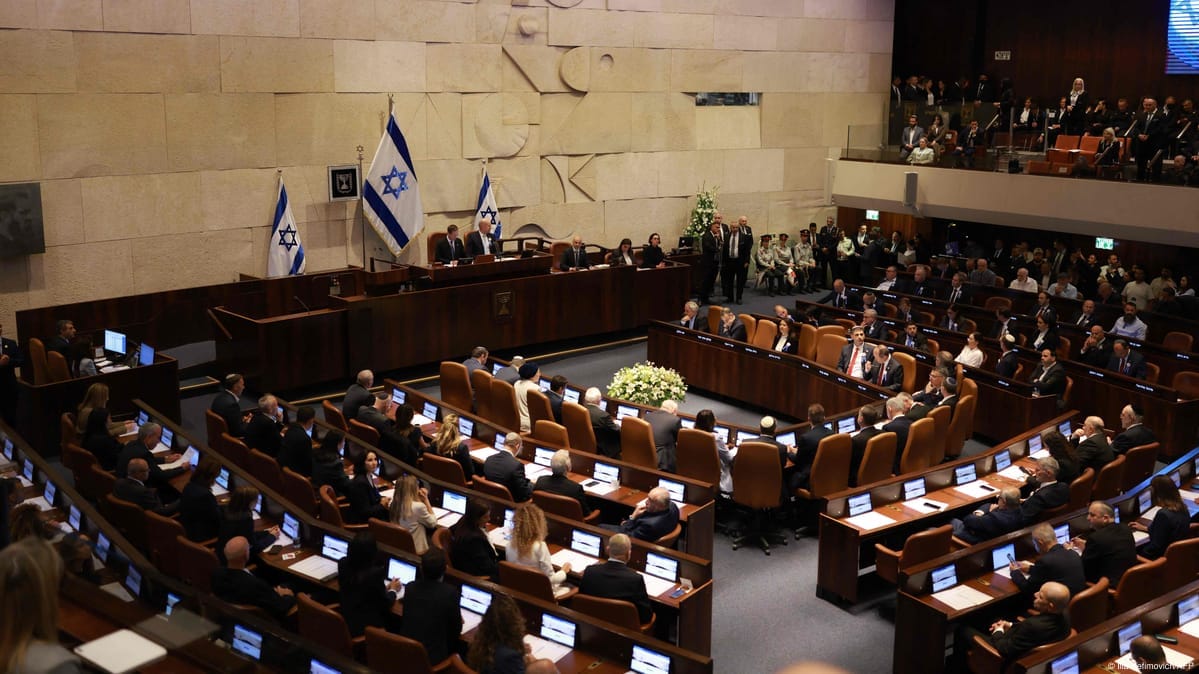
The new Knesset was sworn in that day without a new government. Herzog called for compromise amid uncertain parliamentary majorities, DIE ZEIT reported. Eisenkot promised to form a national emergency government as quickly as possible, according to La Nacion.
The opening session then brought a break in talks. Eisenkot, the leader of Yashar, cancelled a meeting with Netanyahu's Likud party, citing Netanyahu's speech in parliament, EFE reported. Adnkronos said the meeting had been scheduled for Wednesday.
Eisenkot also pledged an official inquiry into Hamas's October 7, 2023 attacks and sought to reverse many of Netanyahu's policies, according to AP. Separately, the opposition bloc agreed on Tuesday to nominate former minister and Yashar leader Matan Kahana as the next Knesset speaker, Infobae reported on November 11.
Where it stands
As of November 11, Eisenkot still had not assembled a coalition capable of replacing Netanyahu, Deutsche Welle reported. Netanyahu remains prime minister, even as the new parliament is dominated by his critics.
The distinction is important: Netanyahu's opponents can cooperate over parliamentary posts and legislation without agreeing to govern together. Eisenkot's broad bloc, spanning left to right, has already begun setting the parliamentary agenda despite the unresolved government negotiations, according to The Japan Times.
What to watch
The choice of Knesset speaker is an immediate test of whether the opposition can turn its numbers into institutional control. Le Monde identified that election as the new lawmakers' first major task; the post is currently held by Likud member Amir Ohana.
The larger question is whether Eisenkot can convert parliamentary cooperation into a governing arrangement. He has also considered a minority government, according to ARD Tagesschau. His proposed October 7 inquiry and the cancelled Likud meeting will help show whether the next phase centres on coalition bargaining or a sharper confrontation with Netanyahu.
More in Politics
All →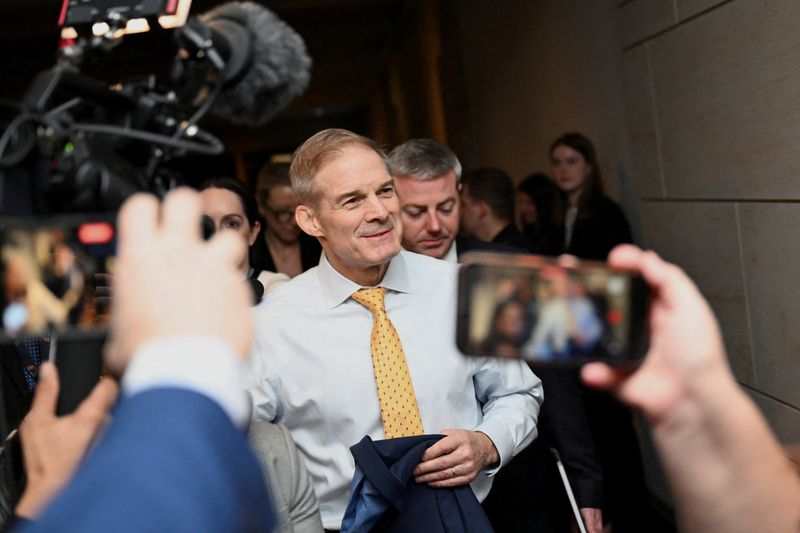
House Republicans Choose Jim Jordan as Leader After Midterm Defeat
Jordan defeated Steve Scalise to lead the incoming House Republican minority, replacing Mike Johnson as the party confronts sweeping election losses and prepares for the next Congress.
35 sources · over 2 days
California voters reject billionaire wealth tax after costly, divisive campaign
The proposed levy would have taxed most billionaire wealth at 5%, but its defeat exposes divisions among Democrats and could slow similar efforts elsewhere.
32 sources · over 9 days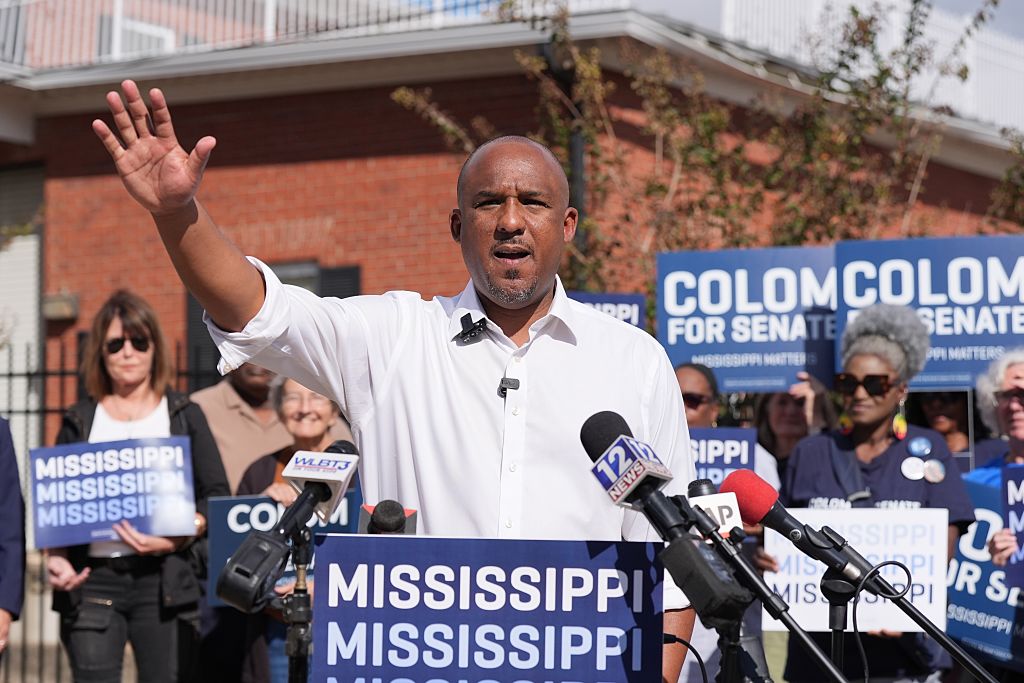
Mississippi Senate Race Remains Uncalled as Colom Holds Narrow Lead
Democrat Scott Colom narrowly leads incumbent Republican Cindy Hyde-Smith, with mail ballots potentially decisive and the unresolved Mississippi Senate contest drawing scrutiny from both parties.
18 sources · over 8 days