
European Freezer Cyberattacks Reach French Blood Banks, Prompting US Security Warnings
Attacks that spoiled supermarket food have reached medical cold storage, prompting warnings about ongoing threats to refrigeration systems and urgent calls to secure their internet connections.
By Hushread Stories, from 91 outlets · First published 10 Nov 2026
Earlier: European Refrigeration Cyberattacks Hit Supermarkets and Blood Banks, Prompting US Warning
In brief
- Hackers remotely altered refrigeration settings at European supermarkets, ruining millions of dollars worth of frozen food.
- France's national blood service reported compromised refrigeration controls at three facilities, but no blood products were damaged.
- The FBI and CISA warn that industrial refrigeration and cold chain monitoring systems are being targeted worldwide.
- Security specialists describe basic weaknesses in connected refrigeration equipment, rather than an attack requiring sophisticated techniques.
- US authorities urge operators to disconnect equipment from the internet, apply patches and change default passwords.
Timeline · 7 moments
Reporting reveals refrigeration systems were probed weeks earlier
Euronews ↗Healthcare intelligence group urges members to secure systems
NPR : National Public Radio ↗Kremlin spokesman denies Russian state involvement in attacks
RTBF ↗US government issues warning across several critical industries
TechCrunch ↗Cybersecurity professor identifies longstanding weaknesses in refrigeration systems
Euronews ↗French authorities say blood products escaped damage
France24 ↗French blood service confirms refrigeration supplier was attacked
BleepingComputer ↗How it started
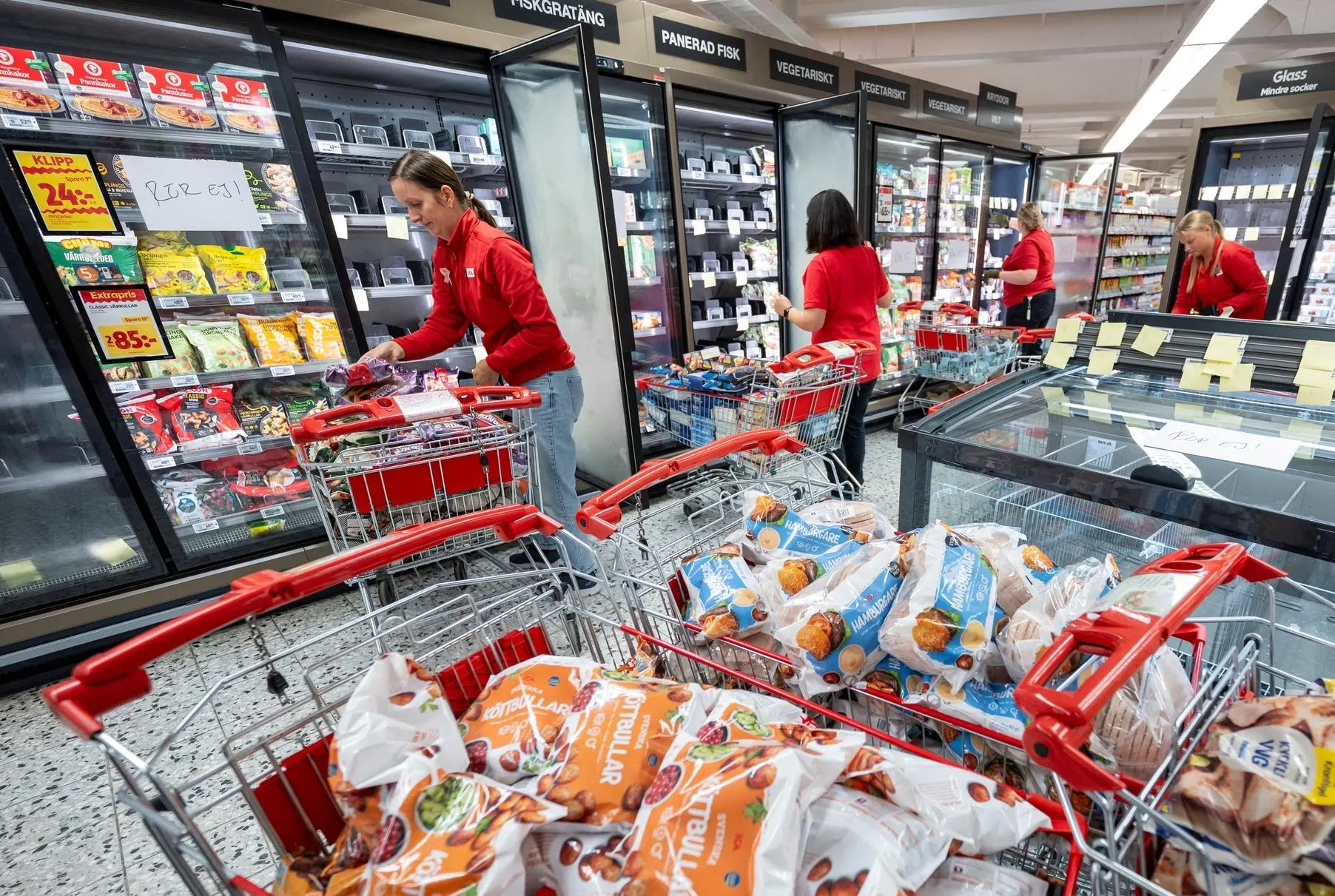
The attacks first drew attention through spoiled supermarket food. Hundreds of stores were affected in October, according to The Atlantic, which described losses including frozen blueberries, waffles and ice cream.
The attackers targeted temperature controls. Forbes reported that anonymous hackers accessed those controllers and ruined millions of dollars worth of frozen goods. That made the consequences physical: compromised settings could leave stock too warm to keep.
How it unfolded
By November 4, the disruption had extended beyond food retail. BleepingComputer reported that France's national blood service confirmed an attack on a refrigeration equipment provider, with temperature and defrost settings raised at three facilities.
The attempted changes threatened stored blood products, but the outcome was different from the supermarket losses. On November 5, France24 reported that French authorities said the attack had been thwarted before blood products or samples suffered damage.
Also on November 5, Euronews interviewed Kevin Curran, Professor of Cybersecurity at the University of Ulster, who described the supermarket attack as "not sophisticated" and said the vulnerabilities had long been known.
The response widened to the United States. On November 5, TechCrunch reported that a joint US government statement warned of an ongoing cyber threat affecting the food, transportation and healthcare industries.
On November 6, BleepingComputer reported that the FBI and CISA were warning of active attacks against industrial refrigeration and cold chain monitoring systems worldwide. The potential consequences included food spoilage, equipment damage and fire hazards.
By November 7, reporting was also examining the preparation behind the attacks. Euronews reported that hackers had probed Europe's refrigeration systems weeks beforehand, and that similar security weaknesses could expose hospital and data centre infrastructure.
Where it stands
The confirmed outcomes need to be kept separate: supermarkets lost food, while French authorities said the attack on blood storage caused no damage to blood products or samples. Forbes reported the retail losses; France24 reported the successful protection of the medical supplies.
The warnings now extend beyond European supermarkets. According to BleepingComputer, US agencies describe active targeting worldwide, not simply a hypothetical risk. A healthcare intelligence-sharing organization has also urged its members to lock down systems, NPR reported.
Responsibility remains unresolved in the supplied reporting. On November 5, RTBF reported that Kremlin spokesman Dmitri Peskov denied Russian state involvement. That denial does not establish who carried out the attacks.
What to watch
The immediate test is whether operators close the access points identified in the warnings. The Register reported that US authorities urged owners to disconnect industrial smart freezers from the internet, apply patches and change default passwords.
Investigators still need to establish responsibility and the relationship between the incidents. Another open question is whether the same weaknesses will be exploited beyond refrigeration: experts cited by Euronews warned of potential exposure in hospital and data centre infrastructure.
More in Technology
All →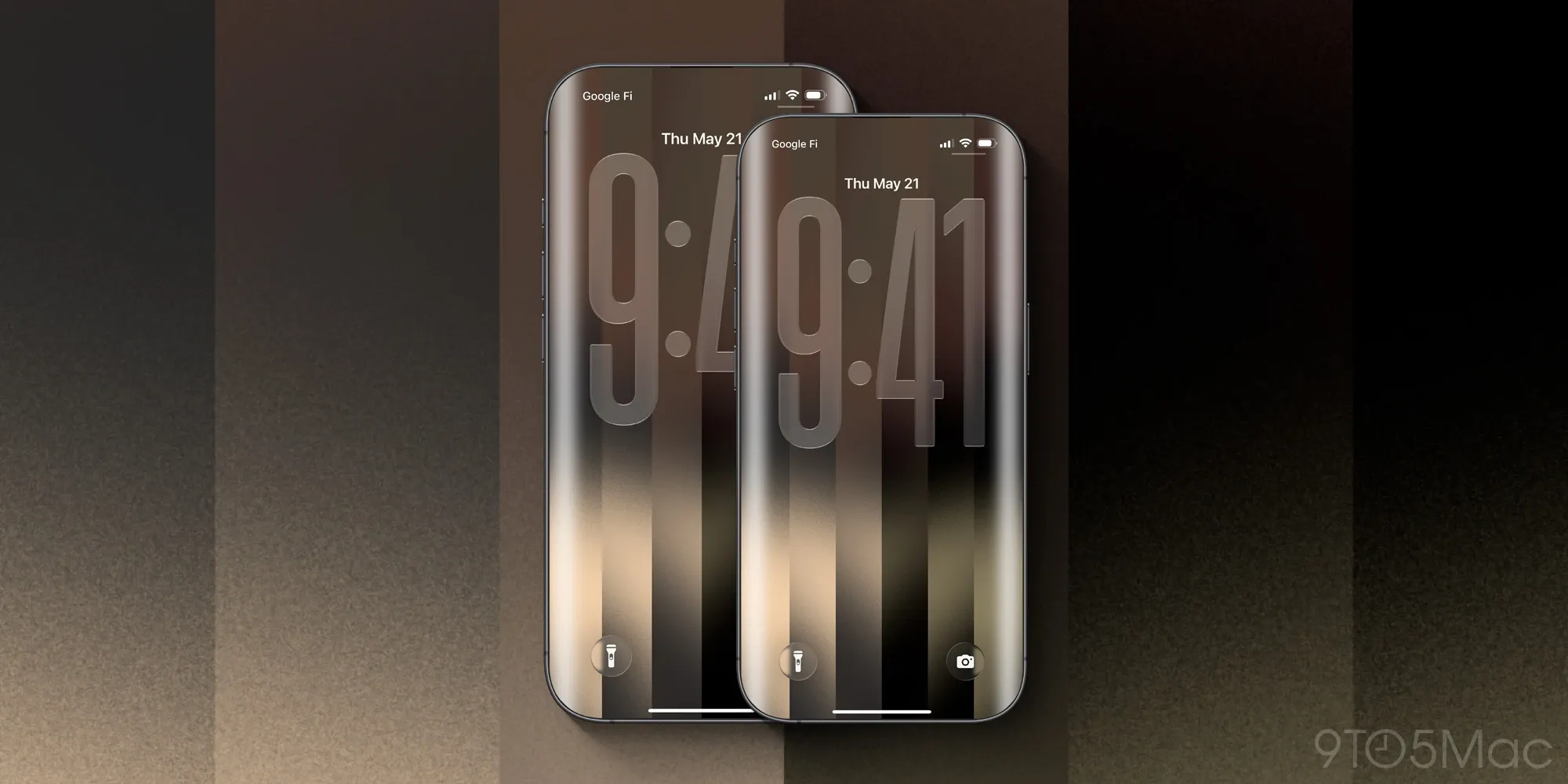
Apple iPhone 20 Rumors Point to Combined Controls, Not a Seamless Display
New leaks suggest Apple's anniversary iPhone could combine two controls while retaining a display cutout, tempering expectations for a radical redesign as cheaper models face separate changes.
17 sources · over 7 days
Anthropic launches Fable 5.2 and Mythos 5.2 ahead of IPO
Anthropic's latest model releases promise faster performance and stronger technical capabilities, while a Fable price cut adds a commercial push ahead of the company's planned IPO.
27 sources · over 2 days
Apple releases iOS 27.2.1 and macOS 27.2.1 with security fixes
Apple's latest updates focus on security and bug fixes rather than new features, with reported fixes covering Messages and AirPlay alongside patches for iPad and other devices.
8 sources · today