
European Refrigeration Cyberattacks Hit Supermarkets and Blood Banks, Prompting US Warning
Attacks that spoiled supermarket food have reached French blood storage facilities, prompting warnings about ongoing threats to refrigeration systems and calls to secure exposed equipment.
By Hushread Stories, from 87 outlets · First published 7 Nov 2026 · Chapter 5 of 5
Earlier: European Freezer Cyberattacks Reach French Blood Stores as US Issues Warning
In brief
- Hackers remotely altered supermarket refrigeration settings across Europe, warming freezers and causing substantial food losses.
- Three French blood service facilities were targeted, but alarms prevented damage to stored blood products and samples.
- The French incident involved a hacked refrigeration monitoring and control supplier, exposing risks beyond individual stores.
- US agencies warn that industrial refrigeration attacks could cause food spoilage, equipment damage and fire hazards.
- Authorities are urging operators to disconnect exposed equipment, install patches and replace default passwords as threats continue.
Timeline · 6 moments
Report describes refrigeration probes weeks before the attacks
Euronews ↗Healthcare intelligence group urges members to secure systems
NPR : National Public Radio ↗Russia denies involvement in European refrigeration cyberattacks
RTBF ↗US government warns of ongoing refrigeration cyber threats
TechCrunch ↗German retailers also affected by refrigeration system attacks
ARD Tagesschau ↗French blood storage alarms thwart destructive refrigeration attack
The Next Web ↗How it started
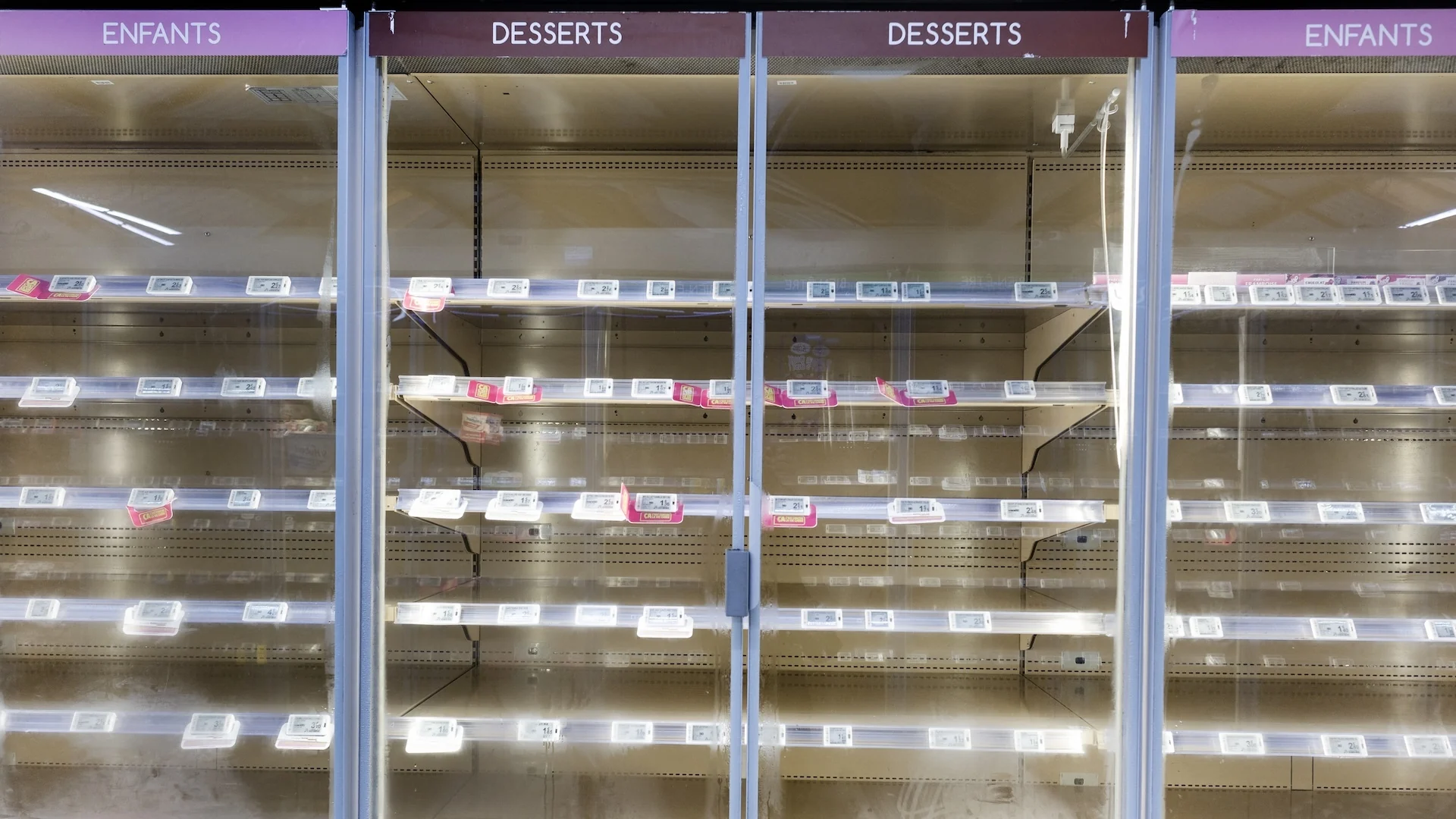
The attacks turned refrigeration controls into a way to damage physical goods. Hackers remotely changed supermarket fridge and freezer settings, causing food to warm up and spoil, according to SecurityWeek.
By November 5, CNN Brasil reported a second attack affecting freezers in several European countries that week. In some cases, temperatures were raised to 50°C, causing food losses in supermarkets and shops.
The emerging explanation is basic security weakness rather than unusually advanced hacking. Kevin Curran, Professor of Cybersecurity at the University of Ulster, told Euronews that the attack was "not sophisticated" and that the vulnerabilities had been known for a long time.
How it unfolded
On November 4, reports showed the threat had reached medical cold storage. Hackers took control of cold rooms holding blood plasma at three sites of France's national blood service and pushed temperature settings to extreme levels, The Next Web reported. Alarms caught the changes before plasma or samples were damaged.
The route into those facilities involved an outside supplier. According to BMJ, France's national blood service said a refrigeration monitoring and control supplier was hacked on Monday, raising temperature and defrost thresholds at three preparation or distribution sites.
By November 5, the reported supermarket disruption had widened. ARD Tagesschau reported that attacks which began against French supermarket cooling systems were also affecting German retailers.
That day, US authorities issued a broader warning. A joint government statement described an ongoing cyber threat affecting food, transportation and healthcare industries, according to TechCrunch.
On November 6, BleepingComputer reported that the FBI and CISA were warning of active attacks on industrial refrigeration and cold-chain monitoring systems worldwide. The potential consequences extended beyond spoiled stock to equipment damage and fire hazards.
By November 7, Euronews reported that hackers had probed European refrigeration systems weeks before the attacks. Its coverage also described concerns that similar weaknesses could expose hospital and data centre infrastructure.
Where it stands
The French blood storage attack was serious, but it did not destroy blood products or samples. French authorities said the attempt was thwarted before it could cause damage, France24 reported. That distinction separates the medical incident from supermarket attacks that caused food losses.
The warnings now reach beyond European retailers. US regulators described ongoing threat activity targeting industrial refrigeration and cold-chain monitoring systems, The Hindu reported on November 7. Separately, a healthcare intelligence-sharing organisation urged its members to lock down systems, according to NPR.
Responsibility remains unresolved in the supplied reporting. RTBF reported on November 5 that Russia denied involvement. That denial does not establish who carried out the attacks.
What to watch
The immediate test is whether operators secure equipment that can be reached remotely. US government recommendations include disconnecting industrial smart freezers from the internet, applying patches and changing default passwords, according to The Register.
The other question is how widely the same weaknesses exist outside food retail. Euronews reported expert concerns about hospital and data centre infrastructure. The French incident also puts suppliers under scrutiny: one compromised monitoring and control provider affected three blood service facilities, according to BMJ.
More in Technology
All →
US Midterm Voters Reject Data Centers as OpenAI Promises Changes
A sweeping local backlash has pushed OpenAI to promise community safeguards, while its commitment to keep investing sets up further fights over where AI infrastructure gets built.
42 sources · over 3 days
Google, Meta and TikTok Sue to Block California Child Safety Law
Three separate lawsuits challenge California's restrictions on social media features for children under 16, setting up a free speech fight before the law's scheduled January 1 start.
13 sources · over 2 days
Amsterdam Microsoft Site Breached as European Data Centre Protests Spread
The Amsterdam action has brought a coordinated European campaign into sharper focus, with mass arrests and demands to pause large data centre projects over environmental and social costs.
33 sources · over 3 days