
European Freezer Cyberattacks Reach French Blood Stores as US Issues Warning
Attacks that spoiled supermarket food have now targeted French plasma storage, prompting US warnings about refrigeration security, while links between the incidents remain unconfirmed.
By Hushread Stories, from 85 outlets · First published 6 Nov 2026 · Chapter 4 of 4
Earlier: European refrigeration cyberattacks spread from supermarkets to French blood storage
In brief
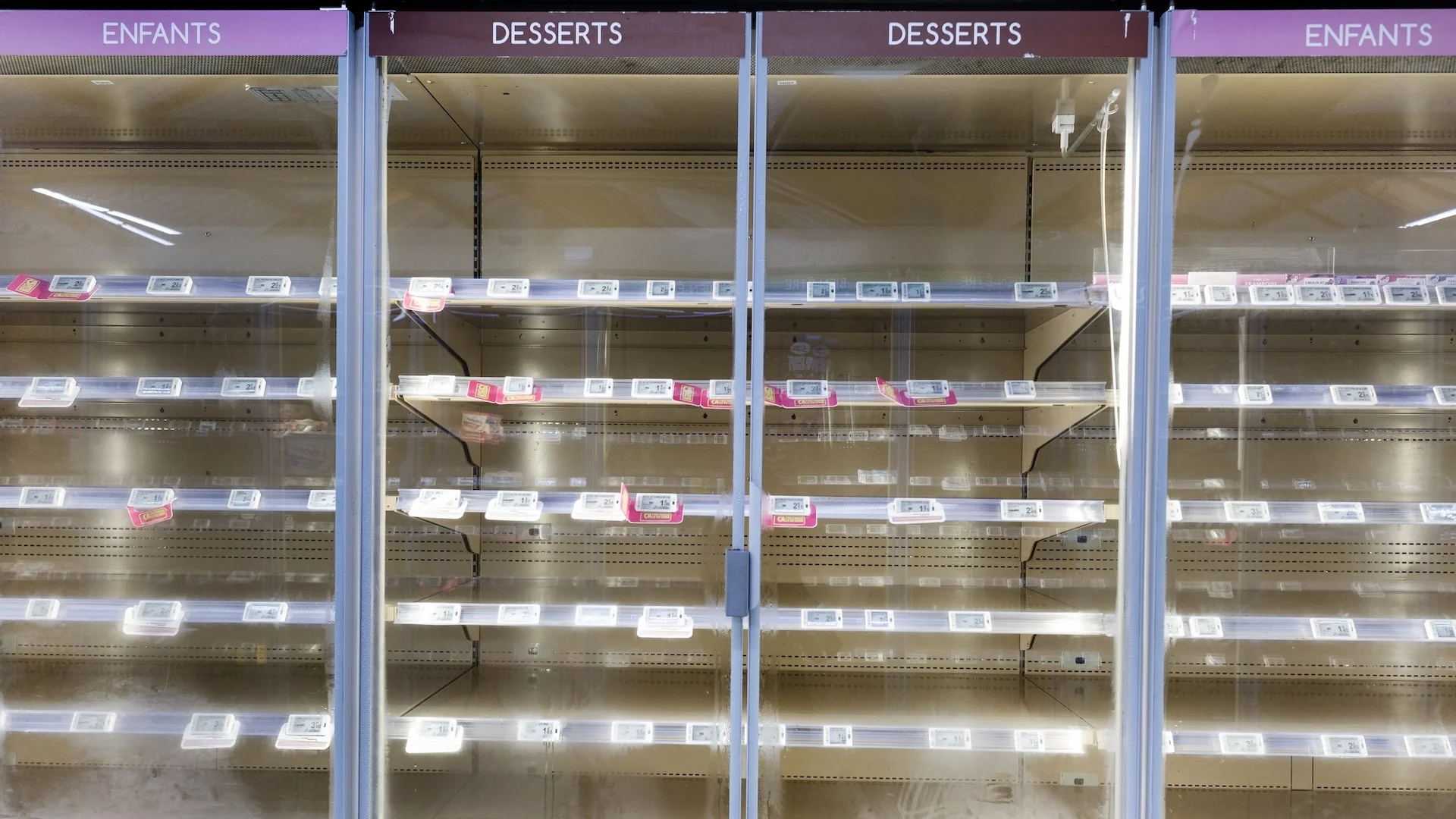
- Hackers remotely manipulated supermarket refrigeration systems across Europe, raising temperatures and causing food spoilage and financial losses.
- France's national blood service reported manipulated temperature and defrost settings at three plasma storage sites on Monday.
- Alarm systems detected the French blood storage attack before any blood products or samples were damaged.
- US agencies warn of ongoing worldwide threats to refrigeration and cold chain systems, including possible food spoilage, equipment damage and fire hazards.
- Whether the blood storage attack is connected to earlier supermarket incidents remains unresolved in the available reporting.
Timeline · 6 moments
US agencies warn of ongoing worldwide refrigeration system attacks
BleepingComputer ↗US government warns industries of ongoing refrigeration threat
TechCrunch ↗Russia denies involvement in European refrigeration cyberattacks
RTBF ↗Cybersecurity professor describes supermarket attack as not sophisticated
Euronews ↗New refrigeration attacks include a butcher in Bavaria
ARD Tagesschau ↗French blood service confirms attack through refrigeration supplier
The Register ↗Update 6 Nov 2026, 6:26 pm UTC
The warning has broadened: US agencies now describe an ongoing threat to refrigeration and cold-chain monitoring systems worldwide, including in Germany, and urge organizations to secure them. New coverage also identifies possible equipment damage and fire hazards alongside food spoilage. The connection between the supermarket and blood storage attacks remains unresolved in the available reporting.
How it started
The attacks first affected supermarket refrigeration in France in mid-October, followed by incidents in numerous other European countries in early November, according to Le Monde. Hackers remotely took over fridges and freezers, causing them to warm up, Euronews reported.
The damage was physical, not just digital. CNN Brasil reported that temperatures in some supermarket and shop systems reached 50 degrees Celsius, causing food losses. Forbes described millions of dollars in ruined frozen goods.
How it unfolded
On Monday, November 2, attackers changed temperature and defrost settings at three plasma cold-storage sites operated by the French Blood Establishment, or EFS. The organization said the thresholds were raised to extremely high levels, according to Technology.
By November 4, reporting had identified a supplier compromise as the route into those systems. The Register reported that attackers tampered with cold-storage settings after compromising a refrigeration supplier. Alarms caught the changes before plasma or samples were lost, according to The Next Web.
The same day, ARD Tagesschau reported additional refrigeration attacks in Germany and France, including one affecting a butcher's business in Bavaria. The incidents were no longer confined to supermarkets.
On November 5, Kevin Curran, Professor of Cybersecurity at the University of Ulster, told Euronews that the supermarket attack was not sophisticated and involved vulnerabilities known for a long time.
Also on November 5, US authorities issued a joint warning about an ongoing cyber threat affecting the food, transportation and healthcare industries, TechCrunch reported. Their advice included disconnecting industrial smart freezers from the internet, applying patches and changing default passwords, according to The Register.
Where it stands
The French blood storage attack caused no damage to blood products or samples, according to Euronews. That distinguishes it from the supermarket incidents, where food spoilage was reported.
A shared target does not yet establish a shared attacker. Le Monde reported that it remained unknown whether the EFS incident was linked to the earlier refrigeration attacks in France and elsewhere in Europe.
Russia denied involvement on November 5, RTBF reported, citing Kremlin spokesman Dmitri Peskov. That denial does not establish who carried out the attacks.
What to watch
The immediate issue is whether operators secure exposed refrigeration controls. The US recommendations reported by The Register give concrete steps: remove internet access, patch systems and replace default passwords.
The central unanswered questions are who carried out the attacks and whether the supermarket and blood storage incidents are connected. The supplier compromise reported by BleepingComputer is a confirmed feature of the French blood service incident, not an established explanation for every attack.
More in Technology
All →
Protesters breach Microsoft data centre construction site in Amsterdam, several arrested
Activists entered the construction site on Friday amid objections to electricity demand, bringing a dispute over Microsoft's Amsterdam data centre project into a confrontation with police.
26 sources · over 3 days
OpenAI Pledges Data Center Safeguards After Voters Back Construction Limits
Technology companies are offering community safeguards after voters backed data center restrictions, but OpenAI says it will keep investing as political obstacles to construction grow.
40 sources · over 3 days
Apple Releases iOS 27.3 Developer Beta Alongside Watch and Mac Updates
Apple's latest developer betas bring new Watch audio tools and a refreshed Health app into testing, while a separate, smaller iPhone update appears to be approaching.
28 sources · over 5 days