
European refrigeration cyberattacks spread from supermarkets to French blood storage
Attacks on refrigeration controls have spoiled supermarket food and threatened French plasma stores, while a new US government warning extends concern to transportation and healthcare.
By Hushread Stories, from 84 outlets · First published 5 Nov 2026 · Chapter 3 of 3
Earlier: European Supermarket Fridge Hacks Raise Alarm After French Blood Storage Attack
In brief
- Hackers remotely manipulated refrigeration controls at European supermarkets, forcing businesses to discard food and absorb substantial losses.
- An attack on Monday targeted refrigeration systems at three sites belonging to the French Blood Establishment.
- Alarm systems detected the changes before any stored blood products or samples were damaged, French authorities said.
- The connection between the French blood storage incident and earlier supermarket attacks has not been established.
- A new US government warning describes an ongoing cyber threat affecting food, transportation and healthcare industries.
Timeline · 5 moments
US government warns of ongoing threat across industries
TechCrunch ↗Russia denies involvement in European refrigeration cyberattacks
RTBF ↗Expert says supermarket attack exploited longstanding known vulnerabilities
Euronews ↗Bavarian butcher reported hit by refrigeration control attack
DIE WELT ↗Attack targets three French plasma cold storage sites
Technology ↗How it started
The attacks turn a routine business system into a way to destroy stock. By accessing refrigeration controls remotely, hackers can change the settings that keep food safe. Forbes reported that anonymous attackers had ruined millions of dollars of frozen supermarket goods by accessing temperature controllers.
The reported incidents began with supermarket refrigeration in France in mid-October, followed by attacks in numerous other European countries in early November, according to Le Monde. The damage was physical: retailers had to throw food away, not simply restore computer systems.
How it unfolded
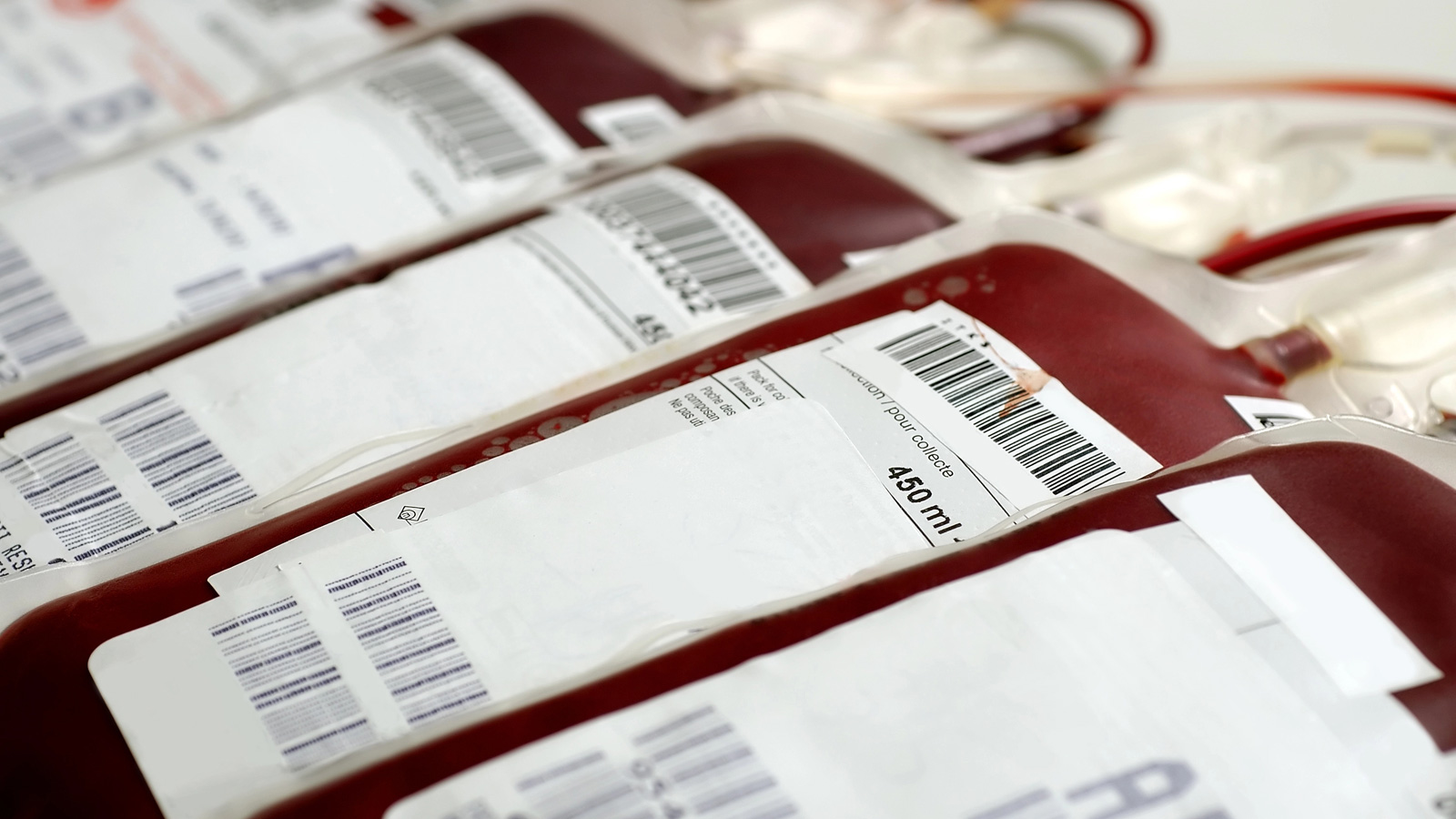
On Monday, November 2, attackers targeted three cold-storage sites belonging to the French Blood Establishment, or EFS. Temperature and defrosting thresholds were raised to extremely high levels, the organization said, according to Technology.
The route into those systems matters. The Register reported that attackers tampered with the blood service's cold-storage settings after compromising a refrigeration supplier. BleepingComputer also reported that the attack targeted a refrigeration equipment provider.
Alarms caught the changes before plasma or samples were lost, The Next Web reported on November 4. Officials said no samples were compromised, according to Euronews. Reports about extreme temperature settings should therefore not be read as evidence that stored blood actually reached those temperatures.
Also on November 4, DIE WELT reported that hackers had remotely manipulated a butcher's cold rooms in Bavaria's Upper Palatinate, causing them to heat to as much as 150 degrees. Its report said similar attacks had forced food disposal elsewhere in Germany.
On November 5, TechCrunch reported a joint US government statement warning of an ongoing cyber threat affecting the food, transportation and healthcare industries. That warning broadened the concern beyond European supermarket losses.
Where it stands
The French blood-storage attack was thwarted before blood products or samples were damaged, according to French authorities cited by KYTV. That distinguishes it from the supermarket incidents, where food was destroyed.
A shared target does not yet establish a shared attacker. Le Monde reported that it remained unknown whether the blood-service incident was connected to the earlier attacks on supermarket refrigeration.
On November 5, Russia denied involvement, RTBF reported, citing Kremlin spokesman Dmitri Peskov. That denial does not resolve who carried out the attacks.
What to watch
The immediate question is whether other operators can identify and secure exposed refrigeration controls before further losses occur. Kevin Curran, Professor of Cybersecurity at the University of Ulster, described the supermarket attack as not sophisticated and said the vulnerabilities had long been known, according to Euronews.
Investigators still need to establish whether the incidents are linked and who is responsible. The supplier compromise reported by The Register also makes the security of refrigeration providers a concrete issue, alongside the defenses of individual shops and medical facilities.
More in Technology
All →
Anthropic Launches Claude Personal Finance Tool With Plaid Account Linking
The new beta lets eligible US subscribers ask Claude about their spending using connected financial accounts, but the tool cannot move, manage or invest their money.
8 sources · today
Google Says Schools Can Keep Search With AI Overviews Enabled
Google is trying to walk back its school AI policy after backlash, while the planned controls still have no set rollout date.
41 sources · over 5 days
Apple's M6 MacBook Pro arrives alongside a separate touchscreen redesign
The latest reviews describe two different MacBook Pro updates: a familiar M6 model and a lighter touchscreen machine, making the distinction important for buyers.
13 sources · today