
European Supermarket Fridge Hacks Raise Alarm After French Blood Storage Attack
Cyberattacks that spoiled supermarket food across Europe have been followed by an attack on French blood storage, where alarms prevented losses but questions about the perpetrators remain.
By Hushread Stories, from 82 outlets · First published 4 Nov 2026 · Chapter 2 of 2
Earlier: Suspected Freezer Hacks Hit Supermarkets in at Least 11 Countries
In brief
- Hackers remotely manipulated supermarket refrigeration systems across Europe, spoiling food and causing damage reported in the millions.
- European Union officials say attacks reported in at least eleven countries are not isolated incidents.
- Attackers also targeted refrigeration controls at three French blood storage sites, raising temperature and defrost settings.
- Alarms detected the French blood storage attack before any plasma or samples were lost, according to reports.
- Investigators still face unresolved questions about responsibility and whether the supermarket and blood storage attacks are connected.
Timeline · 5 moments
French blood storage attack reported, with no samples compromised
Euronews ↗EU says attacks across eleven countries are not isolated
Al Jazeera ↗Italy holds emergency talks as refrigeration attacks spread
Euronews ↗German supermarkets also hit by refrigeration system attacks
DIE WELT ↗Supermarket attacks raise refrigeration temperatures across multiple chains
RT en Español - Noticias ↗How it started
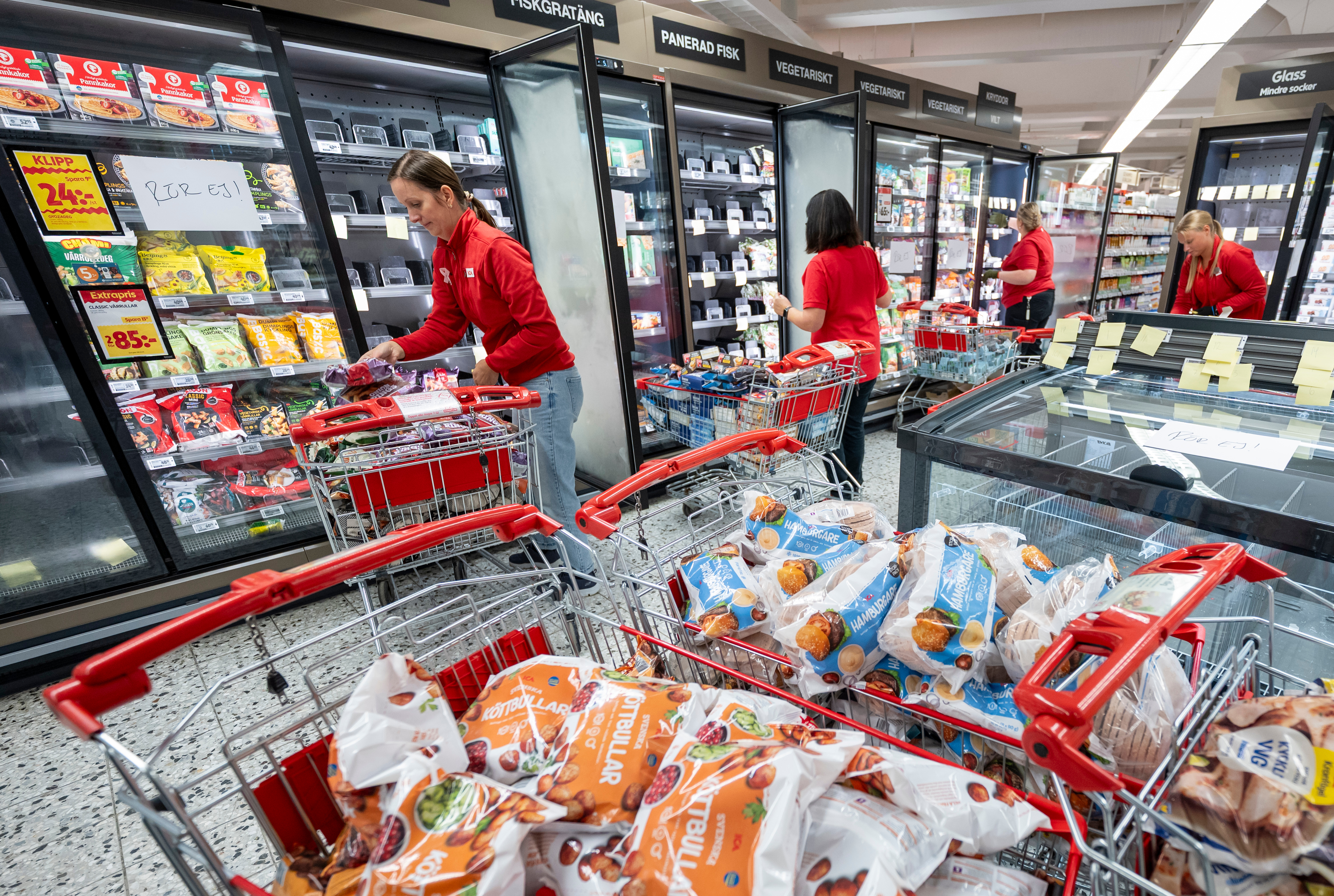
The attacks targeted equipment supermarkets depend on to keep food safe: connected fridges and freezers. Attackers remotely changed refrigeration controls, leaving retailers with spoiled stock and damage running into the millions, according to Associated Press.
The method exploits equipment designed to do more than cool. Scientific American reported that attackers hijacked built-in defrost controls, turning freezers into heaters. DIE WELT reported that old, unsecured technology was being exploited.
How it unfolded
The reported incidents stretch back into October. Le Monde described attacks on French supermarket refrigeration in mid-October, before further incidents across numerous European countries in early November.
By November 3, German supermarkets were also affected, according to DIE WELT. Retailers there had to throw away food, n-tv.de subsequently reported.
Italy held emergency talks as the attacks spread, Euronews reported on November 3. The outlet said the European Union regarded the attacks as a deliberate attempt to disrupt the food supply chain, while Romania's cyber chief described them as "semi-amateurish".
On November 4, Al Jazeera reported attacks in at least 11 countries, with Germany, Romania and the UK among those reporting incidents. The EU said they were not isolated.
That same day, reporting revealed an attack on three French blood storage sites. The Register reported that attackers had compromised a refrigeration supplier before tampering with cold-storage settings used by the French Blood Establishment, or EFS. The Next Web reported that alarms caught the changes before plasma or samples were lost.
Where it stands
The French blood storage incident did not compromise samples, officials told Euronews. Reports describing settings as high as 110°C concern what attackers programmed, not proof that stored blood products reached that temperature, according to the account of reprogrammed controls in The Hindu.
Responsibility remains unresolved. Al Jazeera reported that a Romanian official suspected no state actor. Nor is a connection between the blood storage incident and the supermarket attacks established: Le Monde explicitly reported that the link remained unknown.
What to watch
Two central questions remain: who accessed these systems, and whether the incidents share an attacker or a route into refrigeration controls. The supplier compromise reported by The Register is a specific part of that investigation, not evidence that every affected supermarket was breached the same way.
The concern extends beyond groceries. Dark Reading reported that internet connectivity, remote access and inadequate security can expose temperature-controlled infrastructure in other critical sectors. The French incident shows why detection matters: alarms prevented an attempted disruption from becoming a loss of medical supplies.
More in Technology
All →
Microsoft Reports Windows 11 Performance Gains on PCs With 8GB RAM
Microsoft says Windows 11 is more responsive on memory-constrained PCs, offering potential relief for budget laptop buyers as rising RAM prices put pressure on affordable machines.
13 sources · over 2 days
North Korea denies Binance hack as investigators trace $6.3 billion theft
Binance has reopened withdrawals after the theft, but customers have pulled out billions as the FBI blames North Korean hackers and Pyongyang rejects the accusation.
112 sources · over 6 days
Google Says Schools Can Keep Search With AI Overviews Enabled
After political backlash, Google said schools can restore student Search access by allowing AI Overviews, even if they turn off other AI tools.
32 sources · over 4 days