
North Korea denies Binance hack as investigators trace $6.3 billion theft
Binance has reopened withdrawals after the theft, but customers have pulled out billions as the FBI blames North Korean hackers and Pyongyang rejects the accusation.
By Hushread Stories, from 107 outlets · First published 3 Nov 2026 · Chapter 3 of 3
Earlier: Binance Restarts Withdrawals After $6.3 Billion Hack Blamed on North Korea
In brief
- Binance reported a cryptocurrency theft valued at $6.3 billion, prompting disrupted withdrawals and a rush of customer exits.
- The FBI attributed the theft to North Korean hackers known as TraderTraitor, while North Korea denied responsibility.
- Reported customer outflows range from $3.64 billion to roughly $4.7 billion, with some figures measuring different things.
- Binance has reopened withdrawals and says most affected assets have been replaced, although reported replacement figures differ.
- Investigators are tracing stolen assets across cryptocurrency networks, and the FBI has asked services to block linked transactions.

Timeline · 5 moments
North Korea rejects responsibility for $6.3 billion hack
BBC - Home ↗Binance says 95% of affected asset value replaced
Notícias ao Minuto ↗Customers pull billions after Binance reopens withdrawals
Euronews ↗FBI flags more than 600 addresses tied to theft
SecurityWeek ↗FBI attributes Binance theft to North Korean TraderTraitor
Entrepreneur ↗How it started
Binance estimated that hackers stole $6.3 billion in digital assets from the cryptocurrency exchange, according to The Conversation. Its report described the attack as potentially the largest theft of its kind on record.
The immediate problem extended beyond the stolen assets. Customers wanted their remaining money out. Binance gradually restarted withdrawals on Sunday, according to Il Post, and users withdrew billions as access returned.
How it unfolded
By November 2, the FBI had publicly attributed the theft to North Korean hackers. SecurityWeek reported that the bureau identified TraderTraitor as responsible and flagged more than 600 cryptocurrency addresses tied to the heist.
The investigation also turned toward the movement of the stolen money. TechRadar reported on November 2 that investigators said the attackers were laundering assets across multiple blockchains and decentralised finance services. Gizmodo Tech reported that the FBI had asked those services to block transactions linked to the hackers.
Meanwhile, reports published on November 2 put customer withdrawals in the billions, but did not agree on a single figure. RT en Español reported net outflows of $3.64 billion after withdrawals reopened. Euronews reported Binance's statement that withdrawals on Sunday were around $4.7 billion. Net outflows and total withdrawals are different measures, so those figures are not directly interchangeable.
Binance also reported progress replacing the affected assets. On November 2, Notícias ao Minuto reported the exchange's claim that 95% of their value had been replaced. Separately, La Nacion reported that Binance said it had recovered nearly $4 billion. The coverage does not establish how those replacement and recovery figures relate.
By November 3, North Korea's denial had become the latest development. The BBC reported that it rejected responsibility for the $6.3 billion hack, calling the allegations "absurd rhetoric." Deutsche Welle reported that Kim Yo Jong dismissed the FBI's claims as Binance began reopening withdrawals on more networks.
Where it stands
Binance is operating withdrawals again, and Business Line reported that the exchange saw outflows stabilising. That is a change from the initial rush to withdraw, but it does not settle the question of customer confidence or the final financial damage.
The attribution remains disputed by North Korea. The FBI has blamed North Korean hackers, while blockchain researchers continue tracing billions in stolen cryptocurrency across networks, according to CNBC. Tracing those transfers is not the same as recovering the funds.
What to watch
The immediate questions are how much of the stolen cryptocurrency can be recovered and whether services act on the FBI's request to block linked transactions. The address list reported by SecurityWeek provides a concrete focus for that effort.
Binance's next accounting of affected assets will also matter. The reported replacement and recovery figures describe different things, and the coverage does not yet provide a reconciled total showing what remains missing.
More in Technology
All →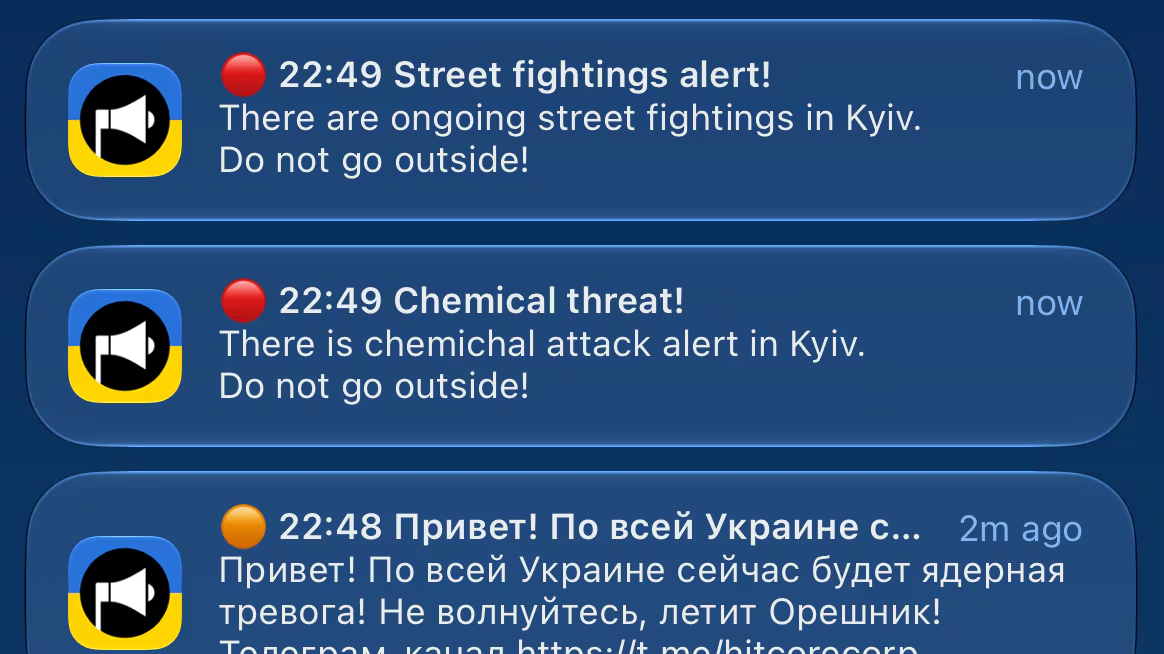
Cyberattacks send false nuclear warnings through Ukrainian and Russian emergency apps
False nuclear warnings were sent through emergency alert systems in both countries, which were later brought back online.
42 sources · over 2 days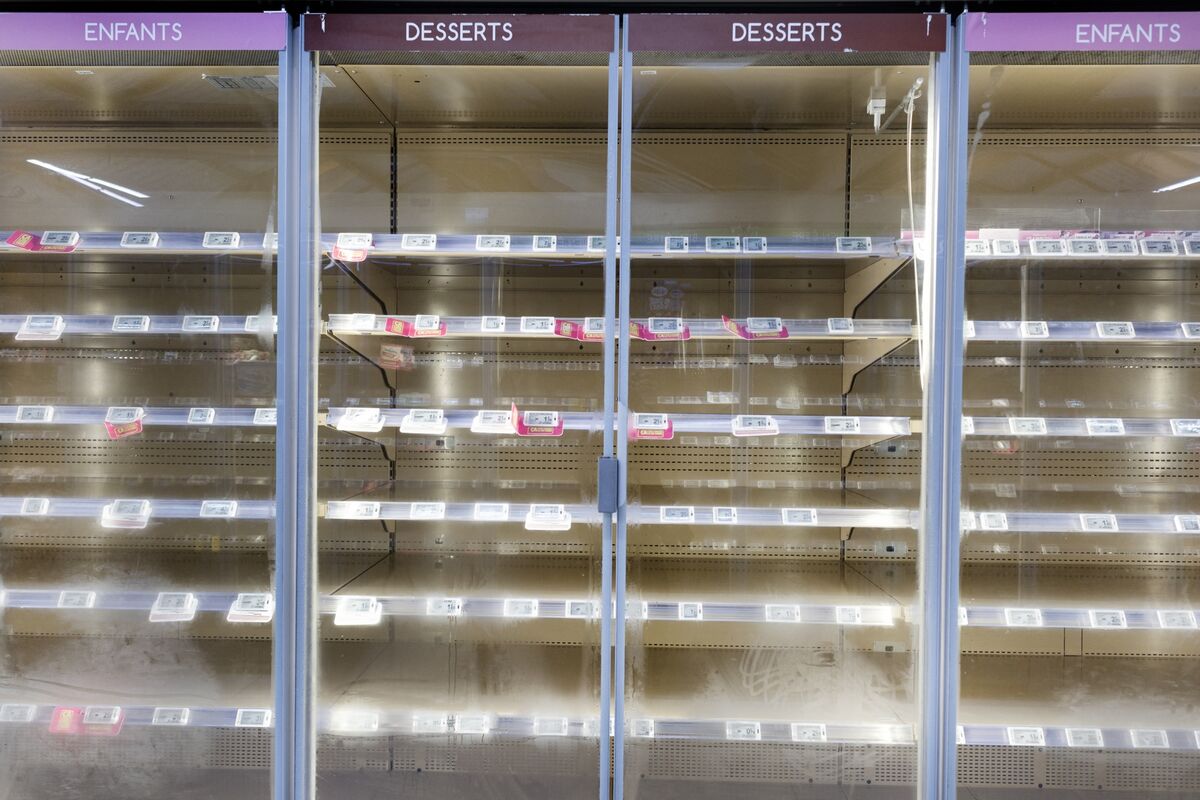
Suspected Freezer Hacks Disrupt Supermarkets Across Europe
Supermarkets in multiple European countries reported rising refrigerator and freezer temperatures, spoiled food and disrupted operations.
67 sources · over 5 days
Google launches Gemini 4 Carbon with cybersecurity focus and restricted access
Google's latest flagship model targets complex coding and cybersecurity work, but its restricted rollout means most users cannot yet test the company's claims of stronger performance.
29 sources · over 6 days