
France Promises Education Reforms, but Students Plan More Protests
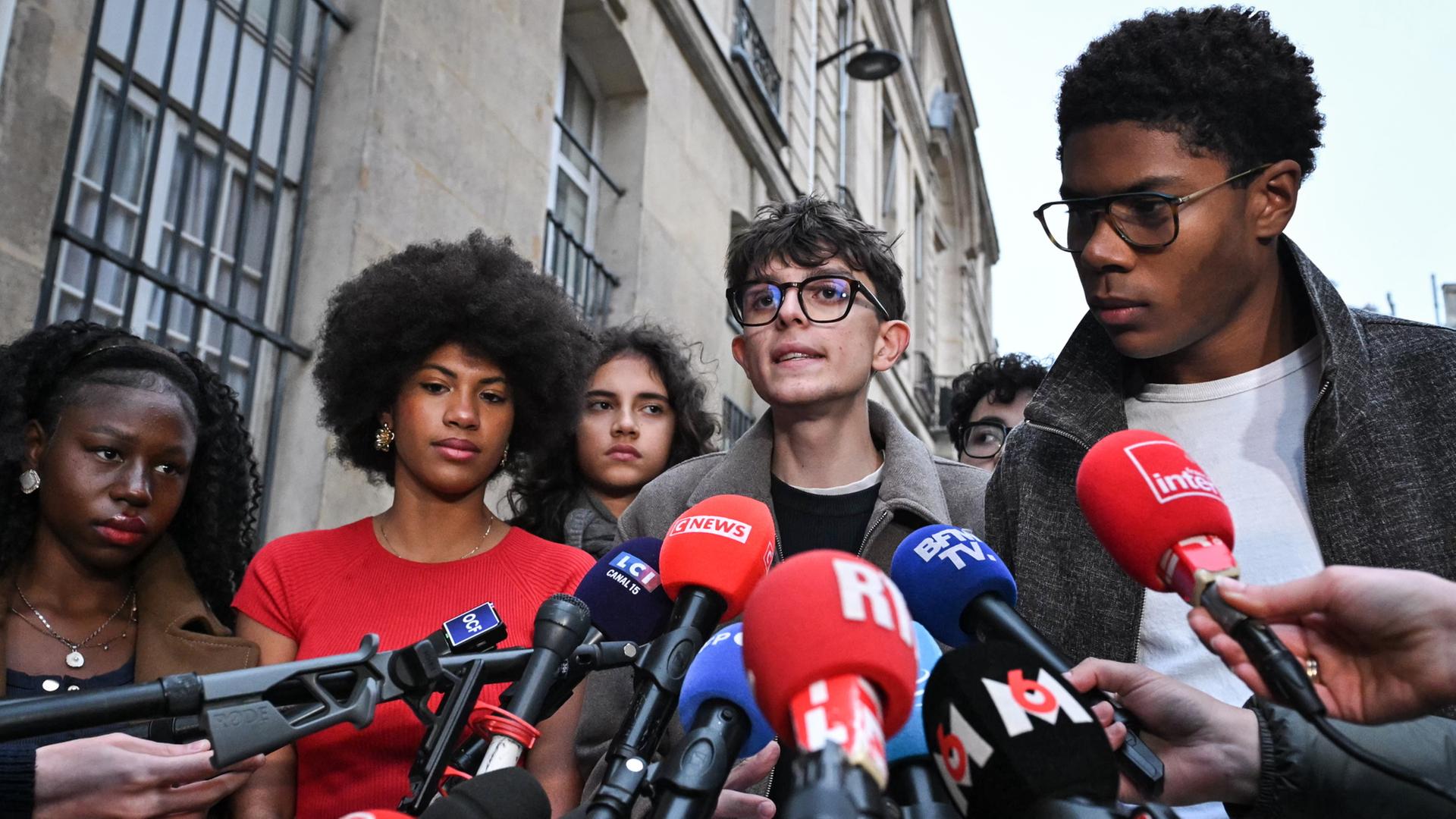
Promises of more university places, school renovation funding and an admissions overhaul have not ended France's student protests, with another demonstration planned for Saturday.
By Hushread Stories, from 17 outlets · First published 28 Oct 2026 · Chapter 2 of 2
Earlier: France Promises Education Reforms, but Students Plan Further Protests
In brief
- France's government announced education reforms after weeks of nationwide student protests over education funding and living costs.
- The government pledged to replace the contested Parcoursup university admissions platform by 2028, alongside other education measures.
- The package includes €4 billion for school renovations and 15,000 additional higher education places across 2027 and 2028.
- Student organisations consider the concessions insufficient, although protesters have welcomed elements of the education minister's plan.
- The government has called for school and university blockades to end, while protesters plan another demonstration on Saturday.
Timeline · 5 moments
Government calls for school and university blockades to end
Deutschlandfunk - Fortlaufende Nachrichten vom 24. August 2026 ↗Protesters welcome plan but schedule another Saturday demonstration
ARD Tagesschau ↗Additional university places detailed for 2027 and 2028
NDTV India ↗France offers €4 billion for high school renovations
Bloomberg Technology ↗Government pledges to replace university admissions platform by 2028
NYT World News ↗How it started
Weeks of protests by school and university students pushed France's government to offer changes to education funding and university access. Demonstrations centred on school funding and rising living costs, according to World News - Breaking News, Top Stories.
Some protests turned violent, Bloomberg Technology reported. The demands extend beyond admissions: Al Jazeera reported that protesters want more spending on education and social services, while the government faces a fiscal crisis.
How it unfolded
On October 26, the government pledged to replace Parcoursup, the disputed university admissions platform, by 2028, according to Deutschlandfunk and NYT World News. That made admissions reform a central concession to the protest movement.
The financial package included €4 billion for high-school renovations and an increase in higher education places, Bloomberg Technology reported on October 26. Extra teachers were also part of the proposed reforms, according to DER SPIEGEL.
On October 27, NDTV India reported that the government had promised 15,000 additional higher education places across 2027 and 2028, mostly in vocational and technical programmes. The Local reported that the reforms followed a meeting with lycée student leaders.
The response did not bring an agreement to stop protesting. On October 27, ARD Tagesschau reported that protesters welcomed the education minister's five-point plan but intended to demonstrate again on Saturday. The government meanwhile called for an end to blockades at schools and universities, according to Deutschlandfunk.
Where it stands
The government has offered concessions, but student organisations say they do not meet their demands, according to Telegraaf. Further protests are being organised despite the appeal to end blockades, DIE ZEIT reported.
The measures are promises with delivery still ahead, rather than a completed overhaul. The 2028 admissions deadline falls beyond President Emmanuel Macron's time in office, leaving his successor's government to deliver it, according to NDTV Top Stories.
What to watch
The next planned demonstration is Saturday, according to ARD Tagesschau. Whether school and university blockades end is a separate immediate test of the government's appeal, reported by Deutschlandfunk.
Beyond the protests, the key delivery dates are 2027 and 2028 for the additional university places, according to NDTV India, and 2028 for replacing the admissions platform. Funding remains a constraint: Al Jazeera reported that the government has struggled to address demands amid a fiscal crisis.
More in Politics
All →
Israel's Election Leaves Netanyahu Short of a Knesset Majority
Final results gave Benjamin Netanyahu's bloc 53 seats, leaving coalition talks to determine who can form Israel's next government.
89 sources · over 4 days
Hegseth Fires Pentagon Chief Planner Brett Sylvia Amid Leak Allegations
The removal leaves a key military planning post without an immediate replacement as President Donald Trump weighs renewed Iran strikes and Hegseth faces a threatened impeachment push.
19 sources · over 4 days
John Healey's first Budget offers household relief but defers bigger decisions
The first Budget under Prime Minister Andy Burnham offers help with living costs, but economists question whether its spending plans can withstand pressure on public services and households.
18 sources · over 4 days