
Israel Votes as Netanyahu Faces Eisenkot and Uncertain Path to Power
Israel's first parliamentary election since the October 7 attack puts Netanyahu's future at stake, with polls pointing to no majority and Iran dominating the campaign's final days.
By Hushread Stories, from 12 outlets · First published 27 Oct 2026
In brief
- Israel is holding its first parliamentary election since the October 7, 2023 Hamas attacks.
- Prime Minister Benjamin Netanyahu faces opposition leader Gadi Eisenkot in a contest shaped by war and domestic discontent.
- Voters are choosing representatives for the Knesset's 120 seats, with polling suggesting neither leading contender has a majority.
- Reports say Netanyahu sought American support for strikes on Iran before the election, but Trump refused.
- Netanyahu has promoted his partnership with Trump, while clear election results could take time to emerge.
Timeline · 5 moments
Election brings uncertainty over Netanyahu's hold on power
NDTV News - World-news News ↗Netanyahu suggests Iran war could restart after victory
Japan Times ↗Polling puts Eisenkot ahead but signals no majority
TGcom24 ↗Military chief resists attack as Netanyahu presses separate action
NYT World News ↗Trump rejects Netanyahu push for pre election Iran strike
Top World News- News18.com ↗How it started
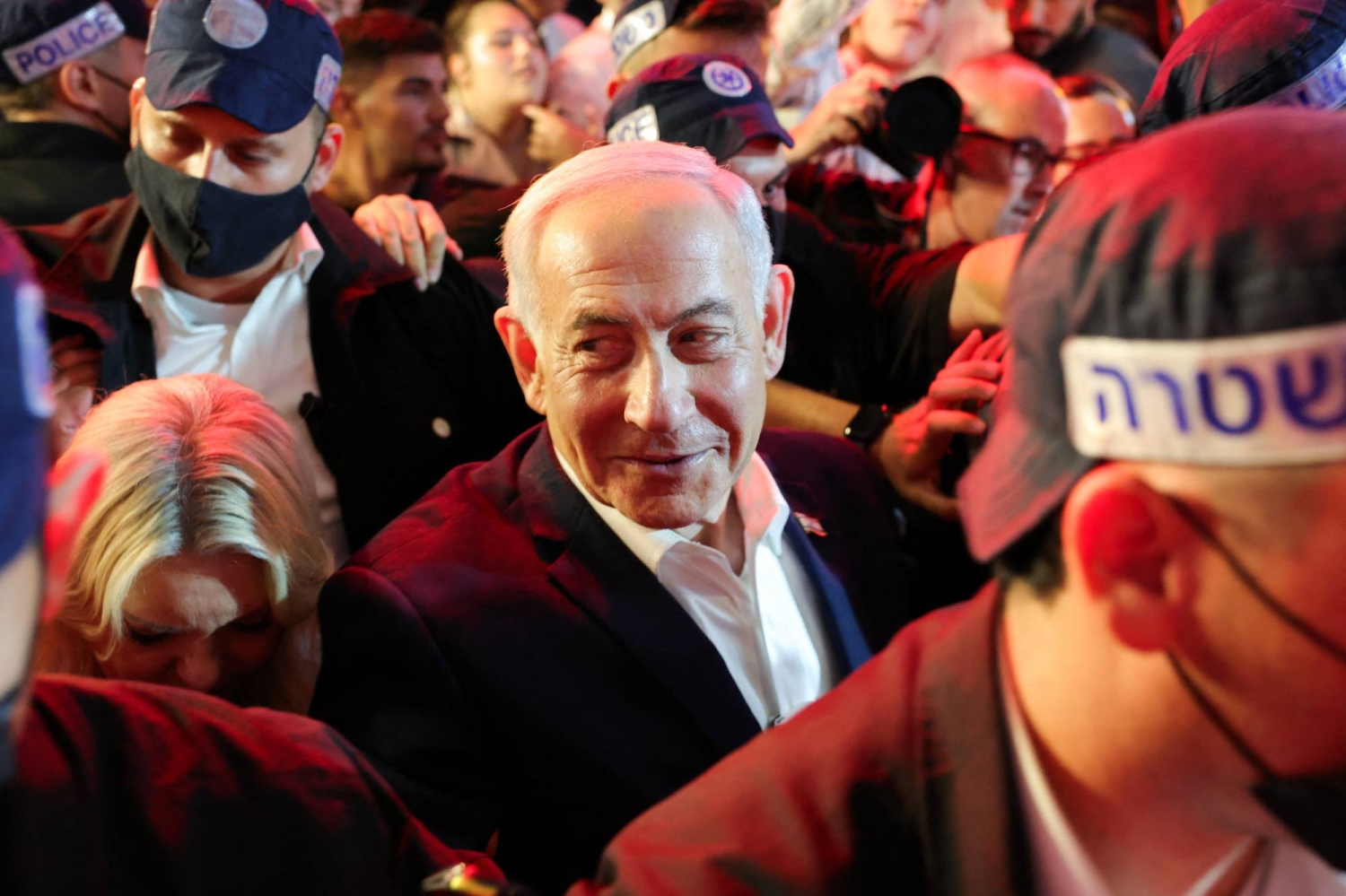
Israel's October 27 parliamentary election is its first since the Hamas attacks of October 7, 2023. The country has been on a war footing ever since, according to CBS Top Stories, making the vote partly a referendum on Prime Minister Benjamin Netanyahu.
Public anger over the failure to prevent the attack, an inconclusive war and rising living costs have weakened Netanyahu's standing, News reported. His political survival is now at stake, with opposition leader Gadi Eisenkot challenging him.
How it unfolded
On October 26, News18 reported that Israel had spent the preceding week lobbying the US to support, and potentially join, strikes on Iran. Trump and other senior US officials asked Israel to hold off.
A separate October 26 report from NYT World News described resistance from Israel's military chief to Netanyahu's proposed attack. Netanyahu then pressed for a separate action short of an overt strike, the outlet reported, citing an official and a person briefed on the matter. The supplied coverage does not establish that this action took place.
The campaign closed with Netanyahu emphasising his connection to Trump. On October 27, News18 reported that Netanyahu was presenting their partnership as an advantage in confronting regional threats, particularly Iran. Japan Times reported that he also suggested Israel and the US might restart their war on Iran if he won.
The competing approaches to Iran were a central dividing line. Times now reported on October 27 that Netanyahu and Eisenkot were offering sharply different visions for ending the Iran war, although the supplied report does not detail their proposals.
Where it stands
Voters are choosing representatives for the Knesset's 120 seats, according to Adnkronos. Polling reported by TGcom24 put Eisenkot ahead of Netanyahu but indicated that neither had a majority, raising the prospect of a political stalemate.
Those are polling indications, not election results. NDTV reported on October 27 that Netanyahu's hold on power was at stake and that clear results might take time to emerge.
What to watch
The immediate test is whether the results produce a workable majority or leave the uncertainty suggested by the polls. The distinction between an electoral lead and the ability to secure a majority will be central to interpreting the outcome.
Iran policy remains another open issue. Netanyahu's suggestion of renewed war, reported by Japan Times, sits alongside reports that Trump had refused to back a strike before the vote. The coverage establishes neither approval for a future attack nor what action would follow an election victory.
More in Politics
All →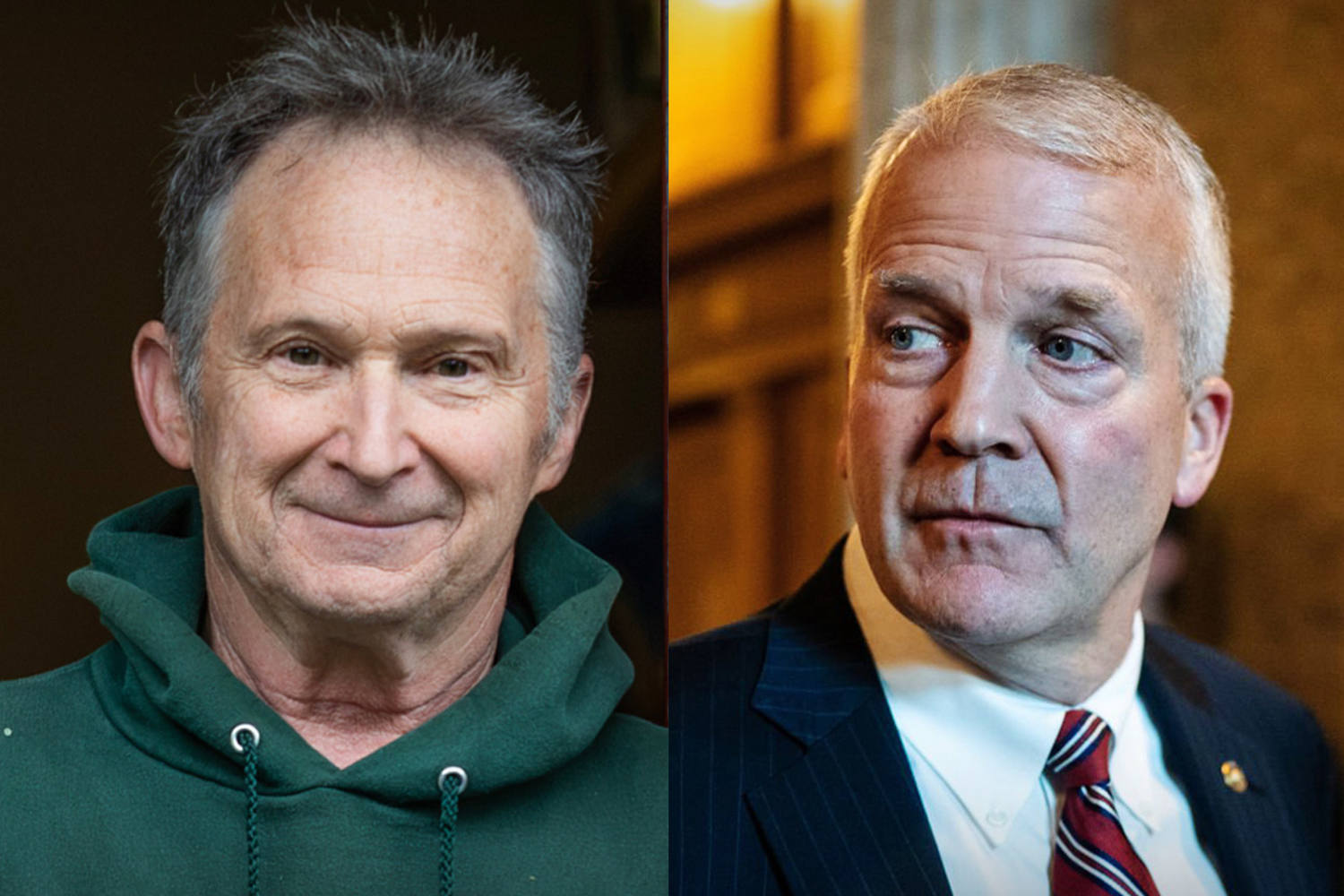
Trump Orders Lawsuit to Block Alaska Senate Certification if Sullivan Loses
The Justice Department's preemptive challenge over similar candidate names now faces opposition from Democrats and voting rights advocates, with Senate control potentially at stake.
33 sources · over 5 days
Burnham opens EU free movement debate and leaves referendum option open
Ahead of November's UK-EU summit, the prime minister's call to reconsider free movement has exposed Labour tensions and raised questions about a future public vote.
17 sources · over 3 days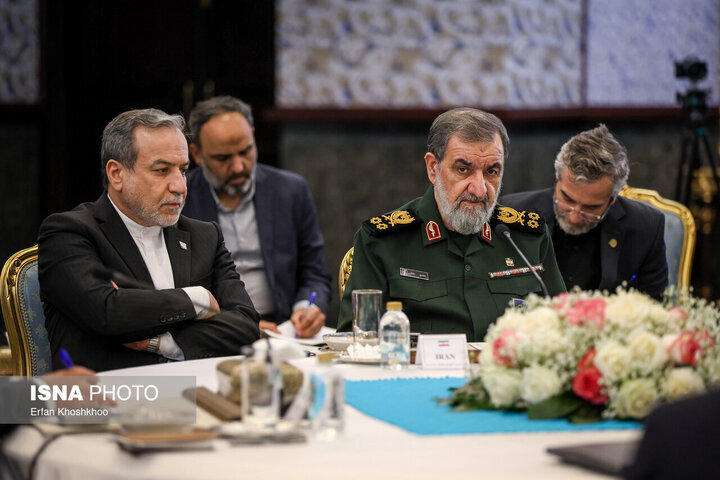
Mecca Pact Officials Meet Iranian Leaders in Tehran, Agree to Continue Talks
Iran, Saudi Arabia, Pakistan and Turkey agreed to continue dialogue on regional peace and security after talks in Tehran.
28 sources · today