
Trump Orders Lawsuit to Block Alaska Senate Certification if Sullivan Loses
The Justice Department's preemptive challenge over similar candidate names now faces opposition from Democrats and voting rights advocates, with Senate control potentially at stake.
By Hushread Stories, from 28 outlets · First published 24 Oct 2026 · Chapter 2 of 2
Earlier: Justice Department seeks to block Alaska Senate certification if Sullivan narrowly loses
In brief
- The Justice Department sued Alaska election officials before voting to block certification if Republican Senator Dan Sullivan loses.
- The administration argues that another Republican candidate with a similar name could confuse voters in the Senate race.
- President Donald Trump said Friday that he personally directed the Justice Department to bring the lawsuit.
- Democratic candidate Mary Peltola and a voting rights group have filed legal challenges against the administration's effort.
- The pending court fight concerns certification of a future result, not a dispute over votes already counted.
Timeline · 5 moments
Challengers cite Trump remarks in dismissal and sanctions request
Times now ↗Peltola and voting rights group challenge certification effort
CNBC ↗Trump says he personally ordered Alaska election lawsuit
Associated Press ↗Justice Department files lawsuit seeking conditional certification delay
Axios ↗Trump publicly raises concern over similar candidate names
The Hill ↗How it started
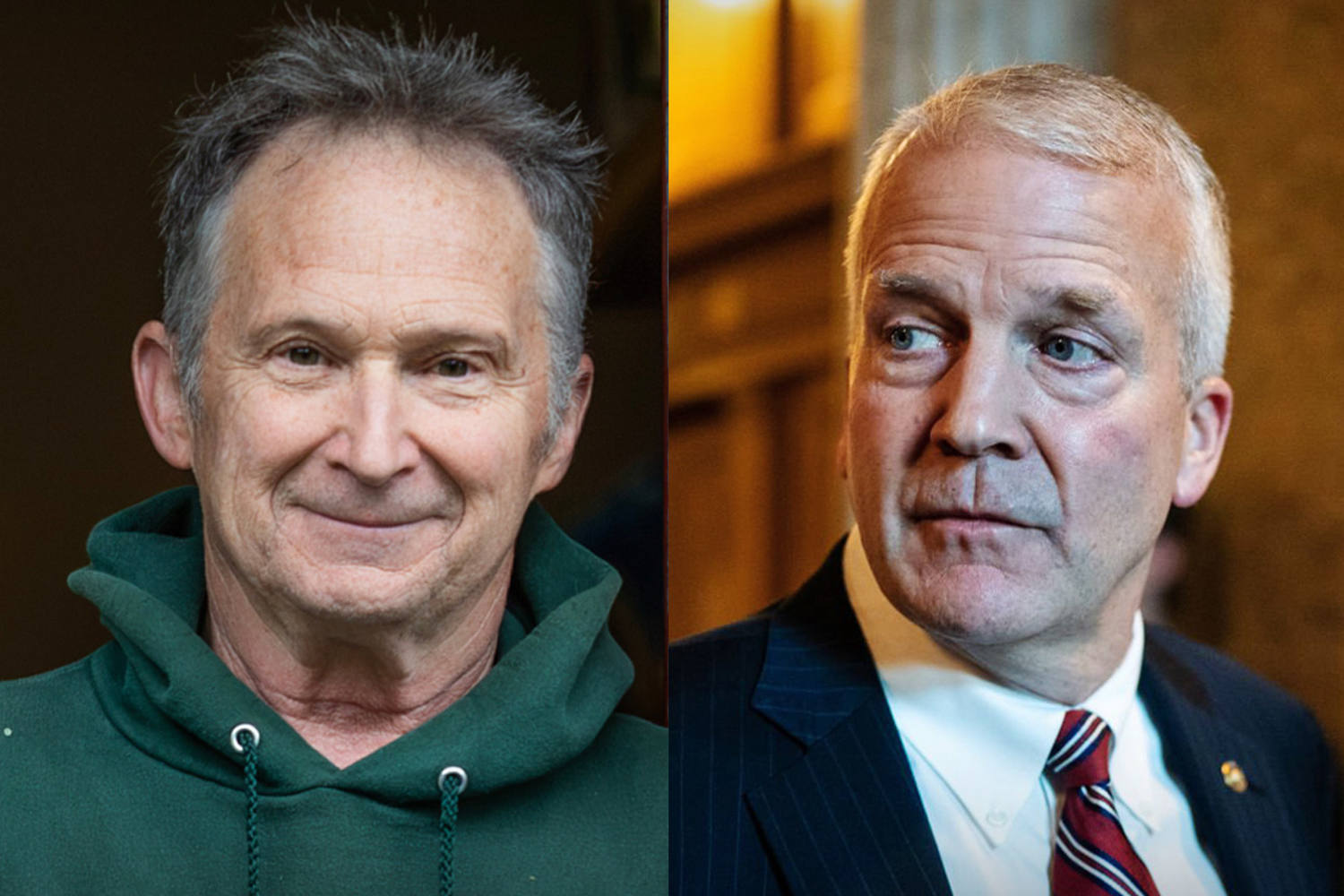
The dispute centers on two Republican candidates with similar names running for the same Alaska Senate seat. The Justice Department argues that their presence on the ballot could confuse voters, according to the BBC.
One is incumbent Republican Senator Dan Sullivan. Democrat Mary Peltola is also competing in the race, Axios reported. The administration's lawsuit seeks to delay certification if Sullivan loses, rather than contesting a result after the election.
The stakes extend beyond Alaska. CNBC described the race as one of several that could determine whether Republicans retain their slim Senate majority.
How it unfolded
On October 22, The Hill reported that President Donald Trump had expressed concern about the candidates' similar names, calling the situation "totally confusing." His comments preceded his public acknowledgment that he had ordered federal intervention.
The Justice Department filed suit against Alaska on Thursday, October 22, seeking to delay certification if the incumbent loses, according to Axios. NBC News reported that the lawsuit targets Alaska election officials.
On October 23, Trump said he had personally directed the administration to bring the case, Associated Press reported. The Hill quoted him saying, "I'm the one who said do it."
Coverage differs in how narrowly it describes the requested intervention. CNBC and ABC News describe an effort to block certification if Sullivan narrowly loses, while NBC News describes the trigger simply as a Sullivan defeat.
By October 24, the legal opposition had grown. CNBC reported lawsuits from Peltola and a voters' rights group challenging the administration's effort. Separately, Times now reported that challengers had cited Trump's remarks in a motion seeking dismissal and asking the court to consider sanctions.
Where it stands
The administration is seeking a court order over an election that has not yet happened. Its stated concern is potential voter confusion, not an established problem with counted ballots, according to the account from ABC News.
The supplied coverage reports the lawsuit and challenges to it, but no court ruling granting the requested block. The latest development is a contested legal fight over whether Alaska could certify a future result, with Peltola and voting rights advocates pushing back, according to CNBC.
What to watch
The immediate question is how the court handles the administration's request and the challenges against it. The dismissal motion described by Times now also raises a separate question about whether Trump's public explanation will affect the case.
The precise scope of any order will matter: whether it applies only to a narrow loss, and what conditions would permit certification. Those details remain unresolved in the supplied coverage, which describes the requested trigger differently across CNBC and NBC News.
More in Politics
All →
Lula and Flávio Bolsonaro Enter Final Debate With Brazil Race Tight
Brazil votes on October 25, with polls showing a close presidential contest as Lula and Flávio Bolsonaro prepare for their last televised debate amid economic and corruption concerns.
25 sources · over 3 days
Milei renews attacks on Sánchez after contentious visit to Madrid
Argentina's president has renewed his attacks on Spain's prime minister as Spain approaches a November election and rival Argentine factions prepare for their own 2027 contest.
13 sources · over 8 days
Kim Jong Un Returns Home After Dandong Visit via New Bridge
Kim Jong Un returned home after visiting the Chinese border city of Dandong, with the visit's aims and outcomes still unclear.
19 sources · today