
Francis Halzen wins 2026 Physics Nobel for discovering high-energy neutrinos
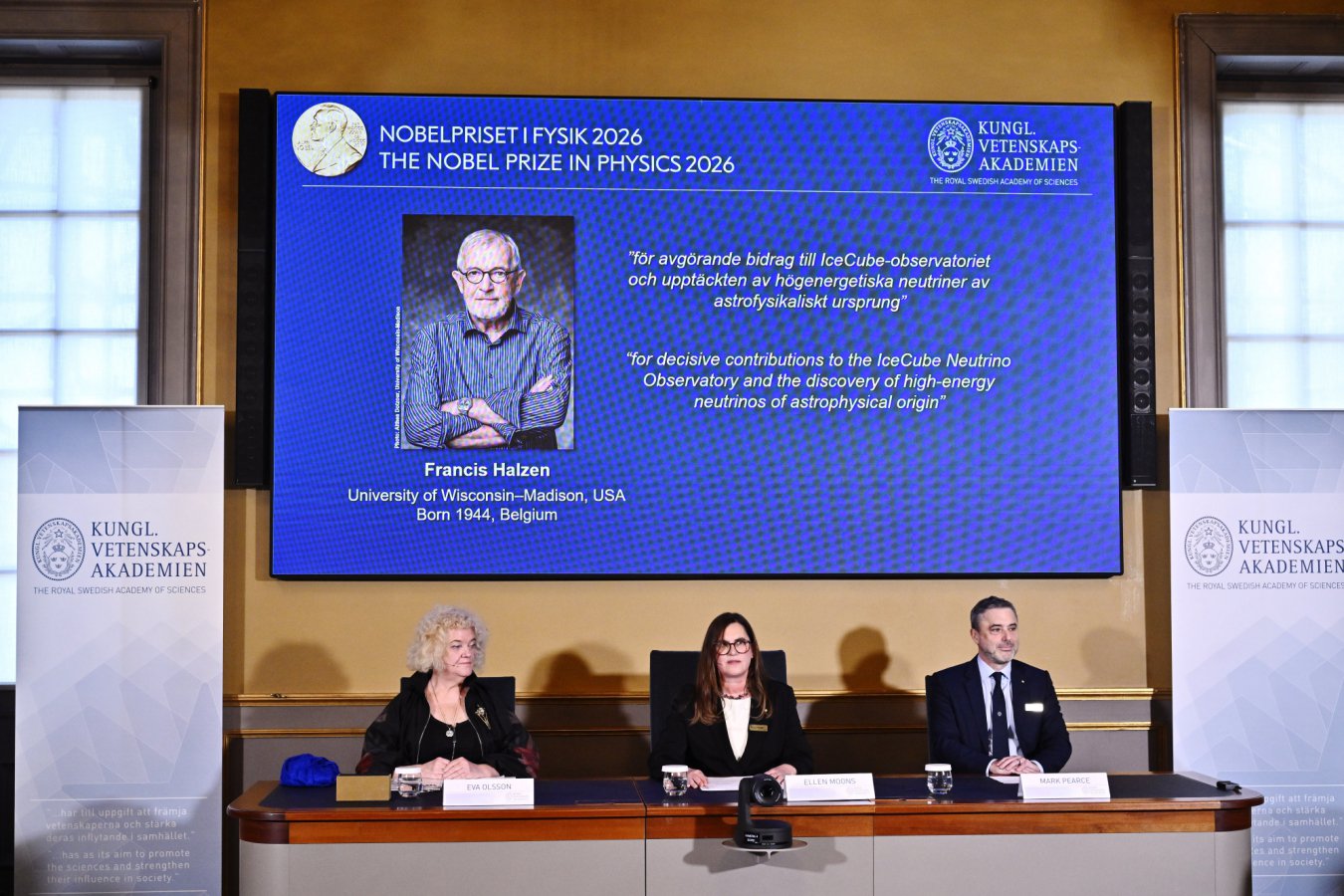
The October 6 announcement recognises Halzen's decisive contributions to the IceCube Neutrino Observatory and the discovery of high-energy neutrinos of astrophysical origin, linking the award to research on particles from space.
By Hushread Stories, written with AI from 9 outlets · First published 6 Oct 2026
In brief
- Francis Halzen has been awarded the 2026 Nobel Prize in Physics, announced on October 6.
- The award recognises his decisive contributions to the IceCube Neutrino Observatory and discovery of astrophysical neutrinos.
- The discovery concerns high energy neutrinos of astrophysical origin, described in coverage as ghostlike messages from space.
- Halzen is at the University of Wisconsin Madison, according to reporting on the prize announcement.
- The available coverage confirms the award but provides no details about future research or scheduled developments.
Timeline · 1 moments
Francis Halzen announced as 2026 Physics Nobel winner
CNN Brasil ↗The research behind the prize
Francis Halzen's Nobel recognition centres on the IceCube Neutrino Observatory and the discovery of high-energy neutrinos of astrophysical origin. The Hindu reported that the 2026 Physics prize honours his decisive contributions to both.
Deutsche Welle described the neutrinos as "ghost-like messages from space". That description captures the subject of the award, but the supplied reports offer little detail about how the discovery was made.
How the announcement unfolded
The winner of the 2026 Nobel Prize in Physics was announced on the morning of October 6, according to CNN Brasil. The award went to Francis Halzen for his contributions to IceCube and the discovery of high-energy neutrinos of astrophysical origin.
Reporting on the announcement, New Scientist identified Halzen as being at the University of Wisconsin-Madison. Its coverage also referred to members of the Nobel committee announcing the winner.
South China Morning Post reported the same basis for the honour: decisive contributions to the IceCube Neutrino Observatory and the discovery of astrophysical high-energy neutrinos. The supplied coverage describes one prize announcement, rather than a sequence of separate developments.
Where it stands
Halzen is the reported winner of the 2026 Physics Nobel. India Today and The Hindu both identify the discovery of high-energy neutrinos as central to the recognition.
The available reports establish who won and why. They do not provide a discovery date, explain the experimental findings in detail or identify a pending research announcement. Claims about specific future advances would go beyond this coverage.
More in Science
All →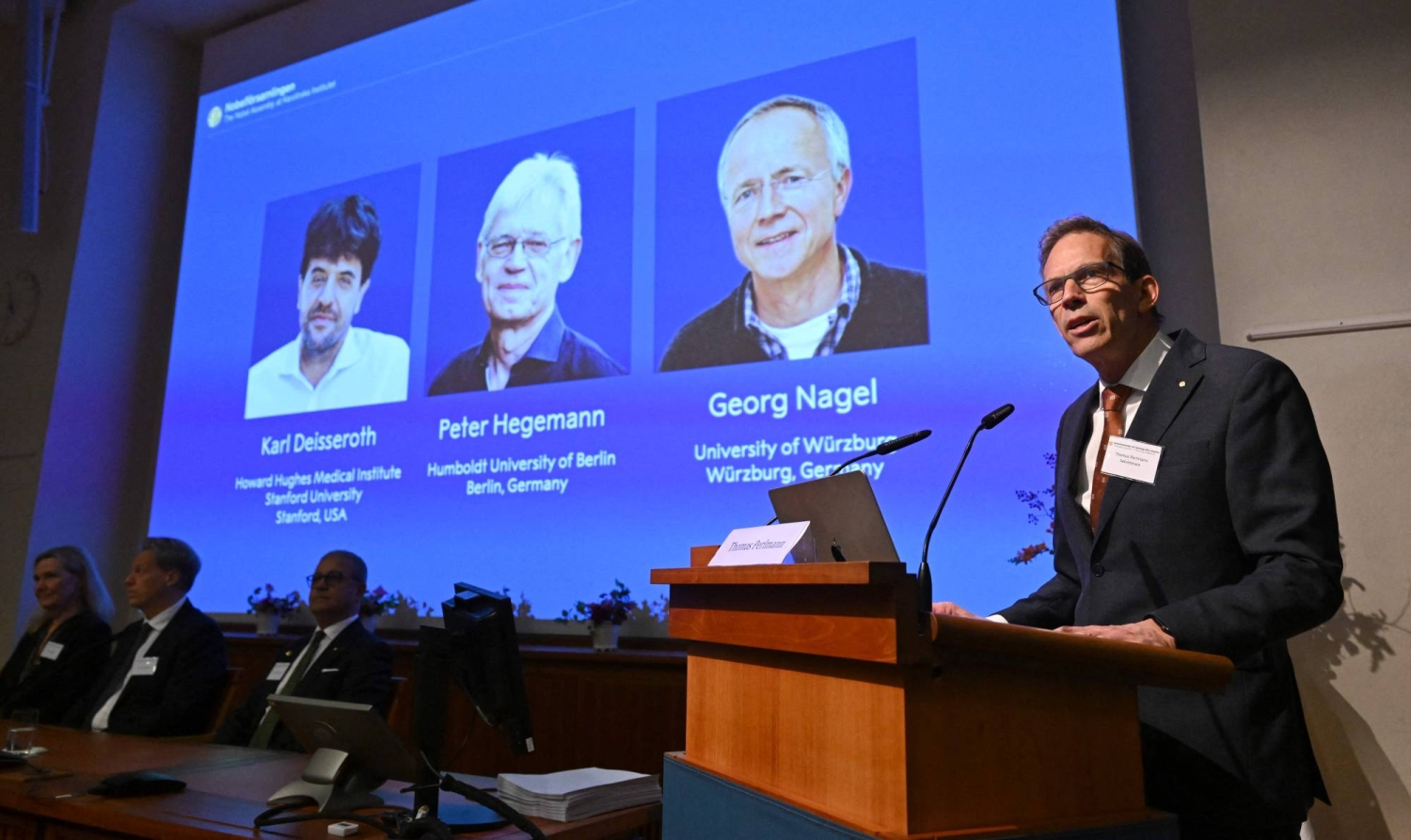
Nobel Prize in Medicine 2026 Honors Optogenetics Pioneers for Light-Gated Ion Channel Discoveries
Karl Deisseroth, Peter Hegemann, and Georg Nagel have been awarded the Nobel Prize in Medicine for their pioneering work in optogenetics, transforming neuroscience by enabling precise control of nerve cells with light.
53 sources · over 2 days
New Forensic Evidence Confirms Human Sacrifice in Ancient Egyptian Royal Tombs
Recent forensic analysis of 5,000-year-old skulls from Egypt's earliest royal tombs reveals violent deaths, offering new insight into ancient burial rituals and social structure.
9 sources · today
SpaceX Crew-13 Sets US Record Reaching ISS in Under 8 Hours
The Crew-13 team docked with the ISS in 7 hours and 55 minutes, marking the quickest US crewed flight to date.
21 sources · over 4 days