
French Supermarket Refrigeration Cyberattacks Spoil Food at More Than 700 Stores
The attacks destroyed fresh and frozen food, while warnings about exposed equipment and previously identified vulnerabilities raise questions about how many other connected systems remain at risk.
By Hushread Stories, written with AI from 65 outlets · First published 18 Oct 2026 · Chapter 3 of 3
Earlier: French Supermarket Refrigeration Cyberattacks Spoil Food and Expose Wider Security Gaps
In brief
- Hackers remotely manipulated supermarket refrigeration controls across France, causing fresh and frozen food to spoil.
- Later reporting put the toll above 700 stores, with food losses valued at millions of euros.
- The attacks affected multiple refrigeration systems, expanding beyond equipment initially linked to Danish company Danfoss.
- France has opened an investigation, but the attackers remain unidentified and no group has claimed responsibility.
- Researchers had warned about refrigeration controller vulnerabilities before the attacks, and thousands of exposed devices reportedly remain online.
Timeline · 7 moments
Attacks draw scrutiny to France's European law implementation delay
Le Monde ↗Earlier research warnings emerge about refrigeration controller vulnerabilities
The Register ↗France opens investigation into attacks on retailer refrigeration
NPR - Middle East ↗Experts warn thousands of exposed devices remain online
Euronews ↗Reported toll rises to around 700 food retailers
CNN Brasil ↗Further overnight attacks target shops using Dixell equipment
Le Monde ↗Overnight hackers seize control of supermarket refrigeration thermostats
Franceinfo ↗How it started
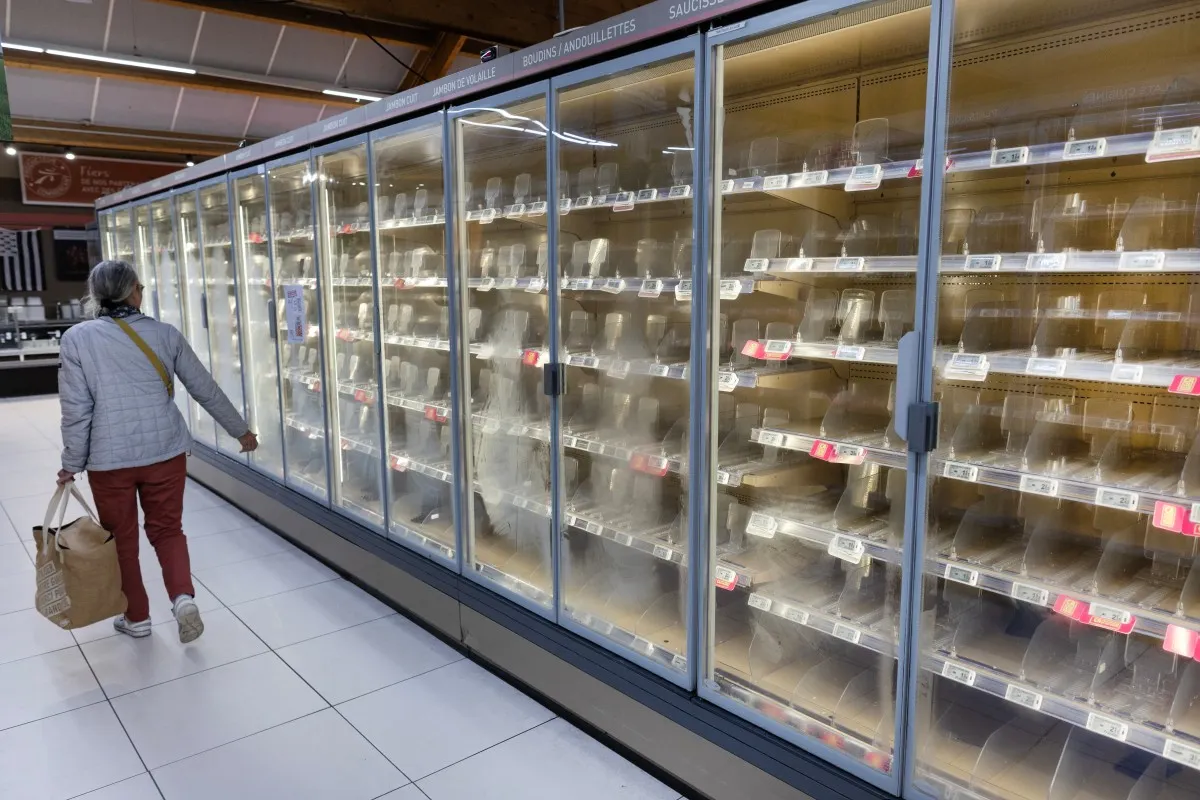
The attacks began during the night of October 11 into October 12, when hackers remotely took control of thermostats serving supermarket refrigerators and freezers across France, according to Franceinfo. Instead of keeping food cold, the systems began heating up.
Temperatures reportedly reached as high as 50°C, The Register reported. Stores had to discard fresh and frozen stock, turning a cyberattack into an immediate food waste problem. The Local reported losses worth millions of euros.
How it unfolded
By October 13, NYT World News reported that a Danish software system used in at least 380 supermarkets had been targeted. The scale was still emerging: Al Jazeera put the number of affected shops above 500 that day.
The attacks were not confined to the initially identified equipment. On October 13, Le Monde reported that shops using Dixell equipment had been targeted during the night of October 12 into October 13, following attacks involving Danfoss systems. The methods appeared similar, the report said.
On October 14, CNN Brasil reported that around 700 food retail establishments had been affected. These counts differ across the coverage, with later reports describing a larger toll than the first accounts. That same day, Euronews reported experts' warnings that thousands of similarly exposed devices remained online.
On October 15, NPR - Middle East reported that France had opened an investigation. SecurityWeek also reported that the attacks extended to Copeland and Dixell controllers, with no group claiming responsibility.
The question of preventability became sharper on October 15. The Register reported that researchers had warned about exploitable refrigeration controller vulnerabilities months earlier, and in one case more than a year before the attacks.
Where it stands
The latest store count in the supplied coverage exceeds 700, according to Le Monde on October 17. The attackers remain unidentified, The Register reported that day. The coverage does not establish a final total for the financial losses or the food destroyed.
The concern now extends beyond supermarket stock. Le Monde described the incident as a warning about internet-connected industrial equipment and highlighted France's delay in transposing European law into national legislation. The immediate environmental consequence is already clear: large quantities of food were destroyed, as Le Monde reported on October 18.
What to watch
The investigation's central unanswered questions are who carried out the attacks and how they gained access across different refrigeration systems. France's investigation was reported by NPR - Middle East, while SecurityWeek said no group had claimed responsibility.
Another unresolved issue is whether exposed equipment has been secured. Euronews reported that thousands of similarly exposed devices remained online on October 14. The subsequent reporting on earlier vulnerability warnings by The Register makes the response to those warnings a key question.
More in Environment
All →
Deaths and Injuries Reported After Major Fire at CFB Wainwright
Canada's defence minister says people were killed and injured in an incident that caused a major fire at the Alberta military base, where emergency health crews are providing care.
40 sources · today
Southern California Wildfires Force Evacuations as Santa Ana Winds Intensify
Fires near Malibu and in Orange County have forced evacuations, with structures burned and more than 150,000 customers without power as strong winds threaten further spread.
20 sources · over 6 days
Istanbul Floods Kill Four as Heavy Rain Shuts Schools and Roads
Istanbul has suffered its worst floods in more than 80 years, with four people reported dead.
17 sources · over 3 days