
Germany's Gen Z Protests Bring Mass Marches, Riots and Political Fallout
Youth demands over living costs and education are competing with a debate over policing after largely peaceful German marches ended in violence, alongside unrest in France and Switzerland.
By Hushread Stories, from 36 outlets · First published 2 Nov 2026 · Chapter 3 of 3
Earlier: Germany's Gen Z Protests End in Clashes as European Movement Spreads
In brief
- Tens of thousands marched across Germany on October 31, demanding lower living costs, better education and affordable housing.
- Largely peaceful demonstrations were followed by violence in Frankfurt, Berlin, Cologne and Hamburg as night fell.
- Frankfurt recorded more than 100 injured police officers and 54 arrests after rioting and looting overnight.
- French prosecutors opened an attempted murder investigation after a petrol bomb attack on security forces in Paris.
- Further German protests are announced for November 20, while Hesse's interior minister questions whether more demonstrations can proceed.
Timeline · 8 moments
Dobrindt praises student movements behind peaceful weekend demonstrations
Deutschlandfunk - Fortlaufende Nachrichten vom 24. August 2026 ↗Hesse minister questions permission for further youth protests
DIE ZEIT | Nachrichten, News, Hintergründe und Debatten ↗German ministers promise tough penalties after Frankfurt riots
CBC News ↗Protest organisers explicitly distance themselves from all violence
Franceinfo ↗Paris petrol bomb attack prompts attempted murder investigation
The Local ↗Frankfurt reports over 100 injured officers and 54 arrests
DIE ZEIT | Nachrichten, News, Hintergründe und Debatten ↗Hooded rioters loot Frankfurt stores after mass demonstrations
Reuters ↗Thousands gather in Berlin as German youth protests spread
Al Jazeera ↗How it started
Germany's youth protests drew on demonstrations elsewhere in Europe, with rising living costs at the centre of the anger. Al Jazeera reported that young Germans were frustrated by those costs amid military spending, as protests were planned in 30 German cities.
The demands went beyond household bills. Tens of thousands marched for better education, stronger climate protection and affordable housing, according to ARD Tagesschau. The initiative calling the demonstrations was called "Gen Z regelt".
How it unfolded
On October 31, crowds gathered across Germany. At Berlin's Brandenburg Gate, police put attendance at around 5,000, while organisers claimed about 11,000 had participated by the afternoon, Euronews reported. Those are competing estimates, not a single agreed count.
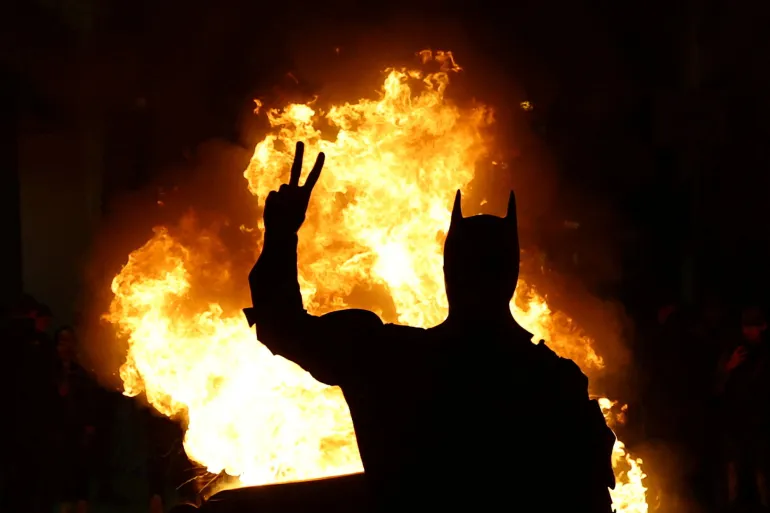
Most marches passed peacefully before violence broke out later. BBC News reported disturbances in Frankfurt, Berlin, Cologne and Hamburg after largely orderly daytime demonstrations.
In Frankfurt late on October 31, hooded rioters looted stores, according to Reuters. NBC News also reported burning barricades. By November 1, DIE ZEIT reported more than 100 injured police officers and 54 arrests in the city.
The unrest was not confined to Germany. On November 1, News18 reported violence, fires, looting and clashes with police around youth-led protests in Germany, France and Switzerland. The supplied reporting gives much more detail about events in Germany than Switzerland.
In France, prosecutors opened an attempted murder investigation after a petrol bomb was thrown at security forces during a weekend protest in Paris, The Local reported on November 1. Deutsche Welle reported 779 arrests across nationwide protests and Halloween night, fewer than on previous weekends.
Where it stands
German ministers have pledged tough penalties for rioters and looters, according to CBC News. But the relationship between the marches and the later violence remains contested: police in Cologne and Frankfurt assessed that demonstrations had been infiltrated, ARD Tagesschau reported. That is a police assessment, not an established explanation for every disturbance.
The organisers have rejected the violence. Franceinfo reported that the collective explicitly distanced itself from all forms of violence in an Instagram post on November 1.
By November 2, the official response also included praise for peaceful participants. Federal Interior Minister Dobrindt praised the student movements that had called the weekend demonstrations, according to Deutschlandfunk.
What to watch
Further actions have been announced for November 20. Hesse's Interior Minister Roman Poseck has questioned whether additional demonstrations can take place after the Frankfurt rioting and looting, DIE ZEIT reported. Whether those protests receive permission is now a concrete test of the authorities' response.
The Paris attempted murder investigation is another pending development. The reporting from The Local establishes that an investigation has opened, but does not provide an outcome.
More in World
All →
Iran Reports Four Tankers Ablaze as Hormuz Attack Accounts Diverge
Iran reports four tankers burning in the Strait of Hormuz, while separate accounts describe attached explosives and rescues, challenging US claims that shipping routes are clear.
29 sources · over 8 days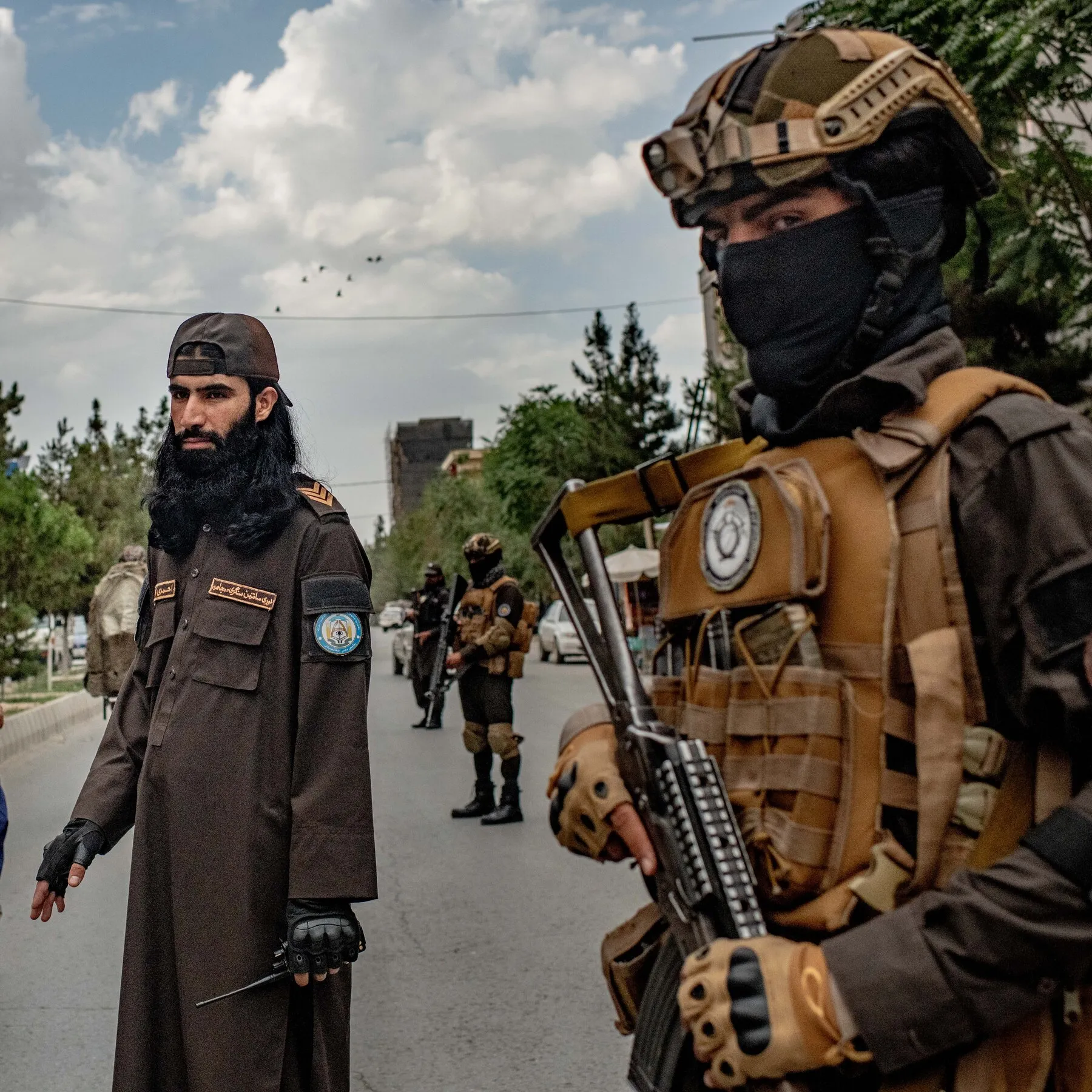
US Plans to Deport Over 150 Afghans Through Pakistan
The Taliban has expressed concern over planned removals through Pakistan, as advocates warn that deportees could include relatives of people who supported US forces.
16 sources · over 3 days
Trump weighs renewed Iran strikes after midterms while saying talks continue
Washington has warned regional allies about possible renewed attacks after the November 3 elections, while Trump says talks continue and Iran warns of economic consequences.
60 sources · over 8 days