
Germany's Gen Z Protests Draw Tens of Thousands, With Unrest in Cologne
Young Germans have taken demands for better education and affordable living onto the streets, testing a new movement whose organisers faced withdrawals and warnings about violence.
By Hushread Stories, from 15 outlets · First published 31 Oct 2026
In brief
- Tens of thousands demonstrated across Germany on October 31 for better education and more affordable living.
- The Gen Z regelt initiative called protests as youth demonstrations elsewhere in Europe inspired German activists.
- About 160,000 people registered online beforehand, but those registrations were not a count of actual attendance.
- Some organisers and student representatives withdrew before the demonstrations, citing concerns about violence and participating groups.
- Early police reports described largely peaceful protests, but later reporting recorded unrest in Cologne as demonstrations continued.
Timeline · 8 moments
Later reporting records tens of thousands and Cologne unrest
Deutschlandfunk - Fortlaufende Nachrichten vom 24. August 2026 ↗Protests begin largely peacefully as Cologne march is cancelled
ARD Tagesschau ↗Authorities plan border measures against potential violent arrivals
ARD Tagesschau ↗Online protest registrations reach roughly 160,000 across Germany
Le Monde ↗Initiative spokesperson Gianni Matheja withdraws before nationwide demonstrations
DIE WELT ↗Government does not expect unrest on France's scale
Deutschlandfunk - Fortlaufende Nachrichten vom 24. August 2026 ↗Student conference and police warn of possible protest violence
DIE ZEIT | Nachrichten, News, Hintergründe und Debatten ↗European youth protests target education funding and housing costs
CNN Brasil ↗How it started
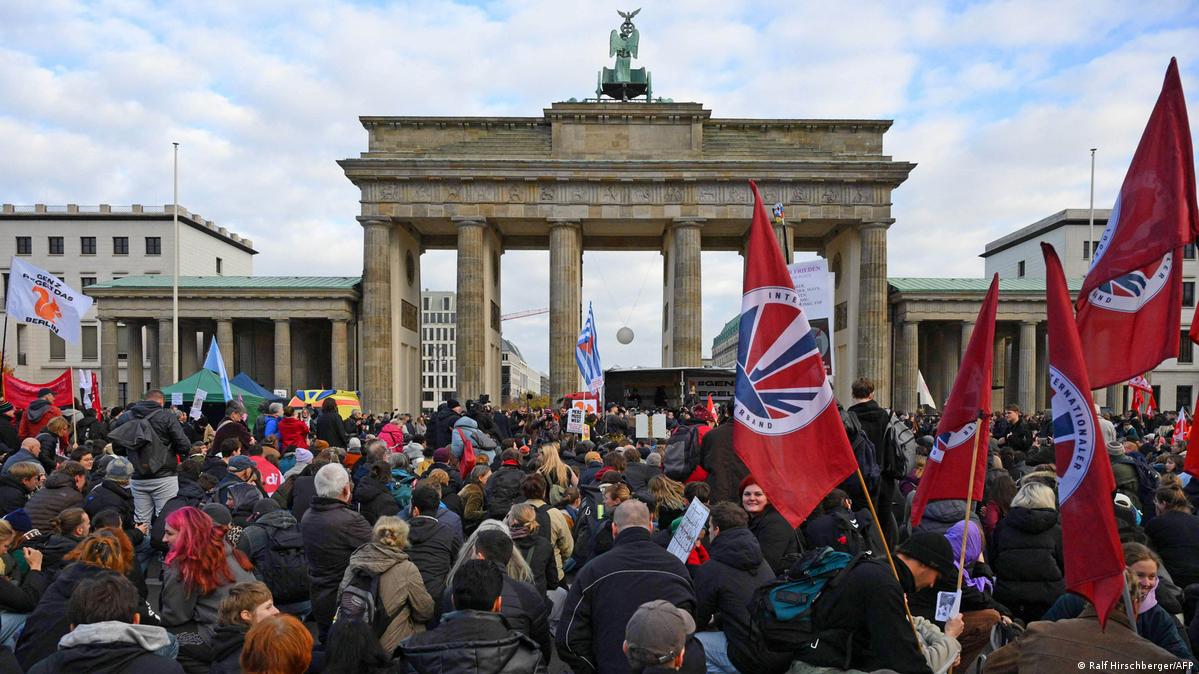
Germany's demonstrations grew out of a wider wave of youth protests across Europe. Young people have challenged education funding and housing costs, according to CNN Brasil, while The Independent described frustration about shouldering the financial burden of an older generation.
In Germany, the initiative Gen Z regelt called young people onto the streets for better education and an affordable life. Climate action was another demand, Deutsche Welle reported. Franceinfo described a movement inspired by France, expressing dissatisfaction with decisions made without young people's involvement.
How it unfolded
On October 27, warnings about the planned weekend demonstrations were already competing with their demands. The federal student conference and police warned of possible violence, according to DIE ZEIT.
On October 28, DIE WELT reported that the initiative had lost almost all its Berlin organisers, citing another media report. Security authorities were monitoring groups willing to use violence that sought to mobilise for the protests. But the federal government did not expect unrest on the scale seen in France, Deutschlandfunk reported that day.
On October 29, numerous student representatives distanced themselves from the call to protest, partly over fears of violence, according to Deutschlandfunk. Initiative spokesperson Gianni Matheja also withdrew, DIE WELT reported, citing his concerns about whether different participating groups would allow a peaceful event. A remaining organisers' spokesperson nevertheless expected a calm demonstration, according to DIE ZEIT.
By October 30, roughly 160,000 people had registered online to demonstrate in about 30 cities, including Berlin, Frankfurt and Cologne, Le Monde reported. Authorities planned to stop people prepared to commit violence at the border, according to ARD Tagesschau. At a press conference in Cologne, organisers sought to shift attention back to their demands rather than violence, DIE ZEIT reported.
On October 31, demonstrations began across Germany. Early reporting from ARD Tagesschau described them as largely peaceful, citing police, although Cologne's march was cancelled over violations of the ban on concealing faces. Later, Deutschlandfunk reported participation by several tens of thousands nationally and unrest in Cologne.
Where it stands
The movement has brought tens of thousands onto German streets, but the advance registration figures should not be treated as turnout. Organisers hoped for more than 180,000 participants, according to DER SPIEGEL, while the later report from Deutschlandfunk put attendance at several tens of thousands without supplying a final national total.
The security picture also changed as reports developed. Early accounts described largely peaceful demonstrations; later coverage recorded unrest in Cologne. Those reports reflect different stages of the day, rather than establishing that demonstrations everywhere became violent.
What to watch
A final national attendance figure and a fuller account of the Cologne unrest remain outstanding in the supplied coverage. Those details will help establish the scale of the mobilisation and how broadly the earlier security warnings were borne out.
Questions also remain about who speaks for the initiative after the withdrawals. Security expert Malte Roschinski raised uncertainty about its organisation and the influence of largely unknown structures, DIE WELT reported. That leaves the movement's ability to turn street participation into sustained representation unresolved.
More in Politics
All →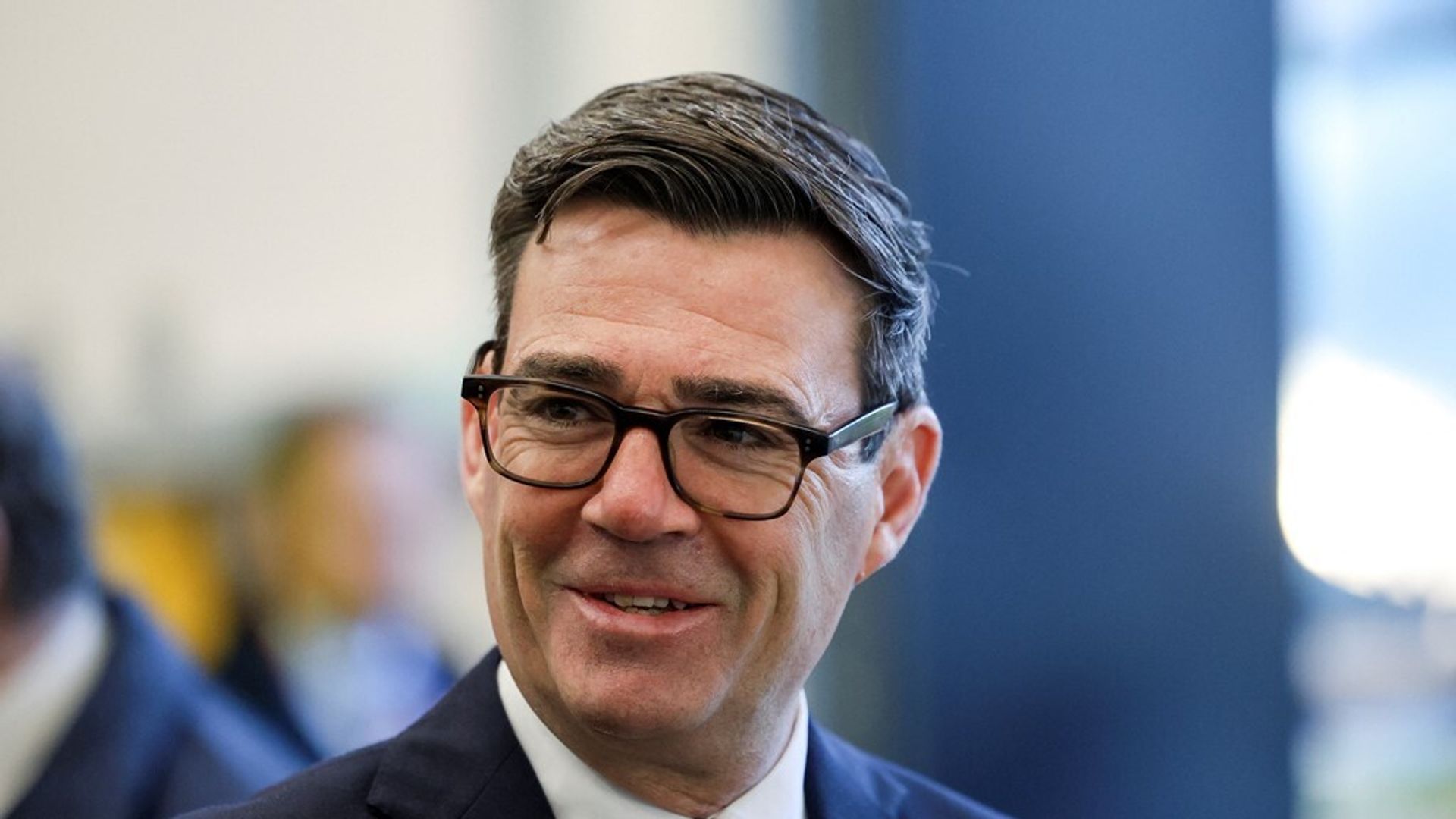
Andy Burnham open to formal slavery apology but rules out reparations
The Prime Minister's comments separate a possible British apology from financial compensation, as the King's Caribbean tour brings renewed attention to the suffering caused by slavery.
21 sources · today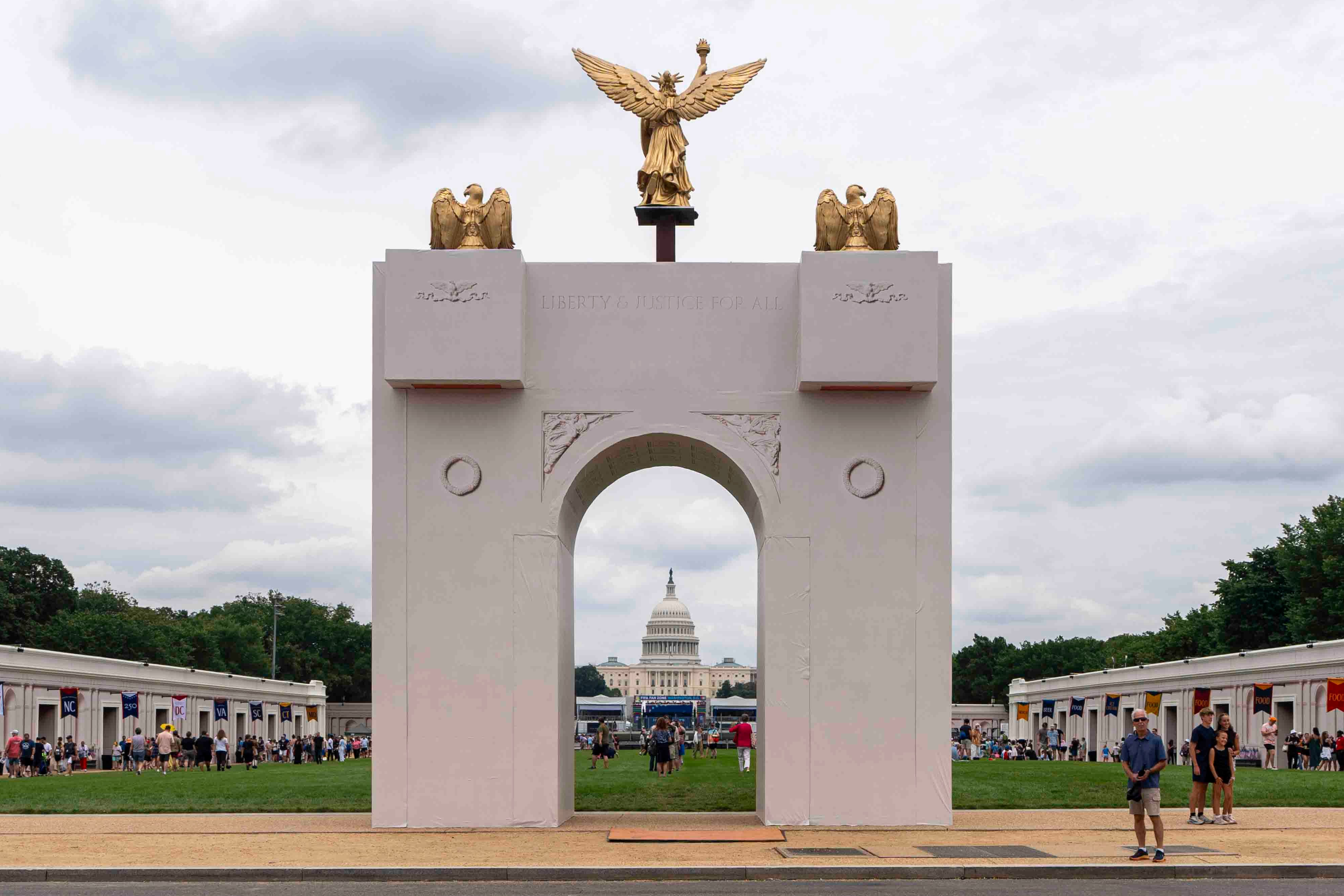
D.C. and Virginia sue to block Trump's proposed 250-foot arch
The federal lawsuit challenges the project's legality and raises traffic, environmental and preservation concerns as the administration says construction could begin in less than a week.
10 sources · today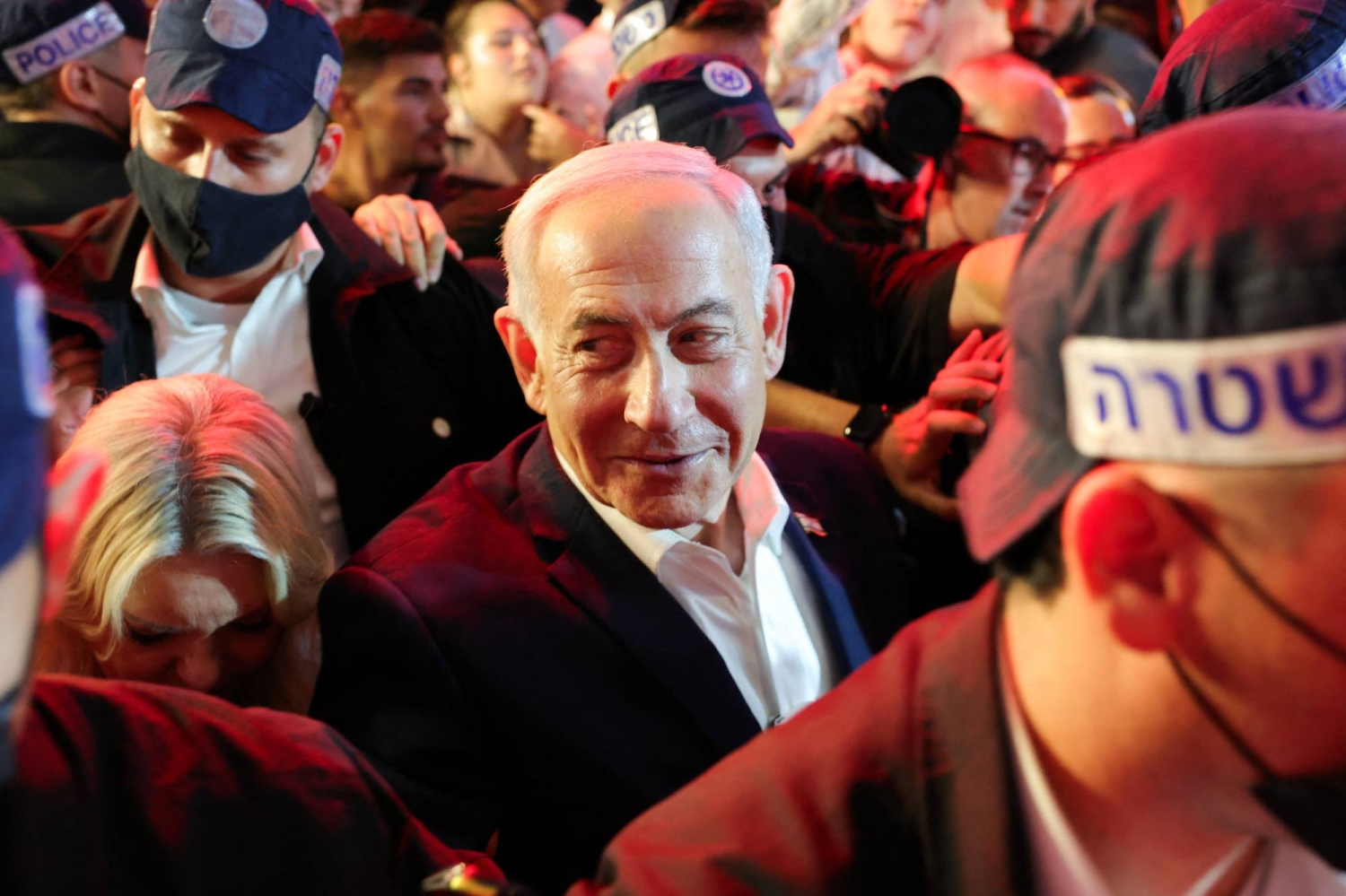
Israel Election Results Confirm Netanyahu Short of a Majority
Final results gave Benjamin Netanyahu's bloc 53 seats, the opposition 48 and Arab parties 19, leaving coalition negotiations without a clear outcome.
94 sources · over 6 days