
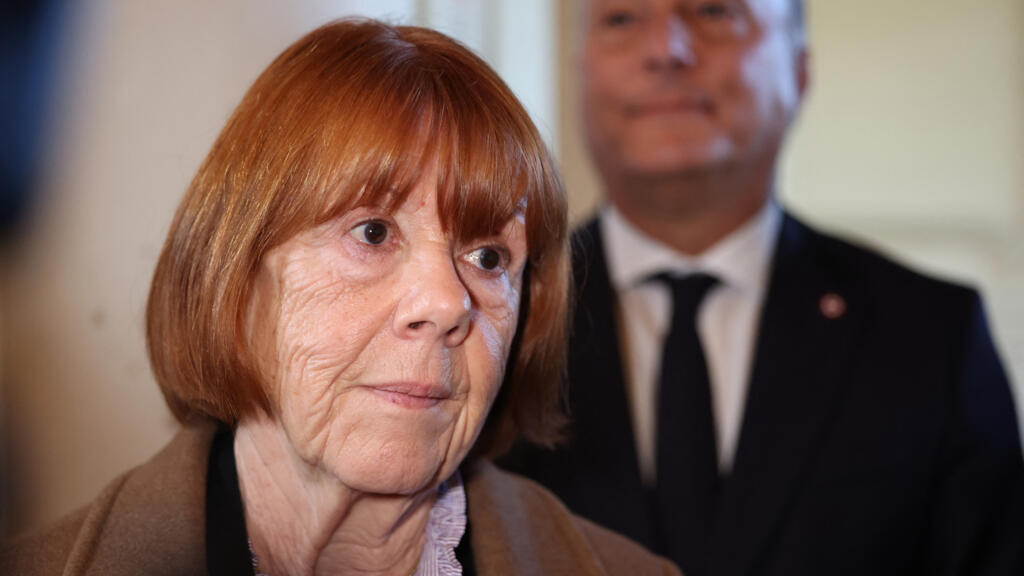
Gisèle Pelicot to sue publisher that sent nude images of her to media
A small French publisher sent intimate images of the rape survivor to journalists to promote an essay on coercive control, and she says she is again humiliated and will take legal action.
By Hushread Stories, from 20 outlets · First published 24 Nov 2026
In brief
- Gisèle Pelicot, 73, says she will take legal action against a French publisher and the author of a book promoting an essay on coercive control.
- The publisher sent nude photographs of Pelicot to several media outlets to promote a book suggesting she was complicit in the abuse she suffered.
- Her former husband, Dominique Pelicot, covertly took the images; he was convicted of drugging and raping her.
- Pelicot says she feels once again humiliated, exposed and hurt by the circulation of the photographs.
- The publisher has apologised for an unfortunate and inappropriate communication, but no court filing has yet been reported.
Timeline · 7 moments
Pelicot responds to claims she consented to abuse
Daily Mail ↗Pelicot tells BFM TV she feels humiliated again
Telegraaf ↗Small publisher identified; images were made by her ex-husband
NOS.nl ↗Publisher apologises for inappropriate communication
BBC News ↗Pelicot objects to book suggesting she was complicit
Latest news, sport and opinion from the Guardian ↗Pelicot says she is deeply shocked and will sue
© Valery Hache, AFP ↗Publisher sends nude images of Pelicot to media for book promotion
Aktuell - FAZ.NET ↗Update 24 Nov 2026, 2:25 pm UTC
Newer coverage from GB News and Renascença confirms Pelicot's complaint in more detail, saying she feels "once again humiliated" and, in the Portuguese report, "humilhada, exposta e ferida". Nothing in the new pieces reports a court filing or a change in the publisher's position, so the headline and dek still stand. The key points are revised below to reflect the story as it currently reads.
How it started
Gisèle Pelicot became a global symbol in the fight against sexual violence during the 2024 trial in which her former husband was convicted of drugging and raping her, alongside dozens of other men. She waived her right to anonymity so the proceedings could be public.
In November 2026, a small French publishing house promoting a new essay on coercive control sent journalists a set of material that included nude photographs of her, according to Franceinfo and FAZ. NOS reported that the mailing also included video footage, all of it made by her ex-husband.
How it unfolded
On Monday 23 November, Pelicot spoke out. AFP reported that she said she was "deeply shocked" and would take legal action after the images were used without her consent. Franceinfo quoted her as saying she found herself "once again humiliated".
Her complaint had two parts. She objected to the commercial use of intimate images, some of them pornographic, and to the content of the book itself. The Guardian described it as a psychoanalyst's essay that suggests she was complicit in her abuse. Franceinfo said it was written by an author known for anti-feminist positions.
BBC News reported that the publisher of the essay apologised for "an unfortunate and inappropriate communication". Speaking to the French channel BFM TV, according to De Telegraaf, Pelicot said she felt humiliated once more, this time by a publishing house.
On Tuesday 24 November the story kept spreading. The Daily Mail reported that Pelicot responded to claims that she had consented to the abuse, framing the images as material her husband took of her.
Where it stands
Pelicot has said she will pursue legal action against both the publisher and the author, per VG, but the coverage does not describe a formal complaint or court filing yet. The publisher's apology is the only public response reported so far.
The dispute now turns on two things: how the images came to be circulated, and whether the book's argument about her role can be separated from the way it was promoted.
What to watch
The main question is whether and where Pelicot files her case, and against whom exactly. Coverage names both the publisher and the author as targets.
Watch too for any further statement from the publisher beyond its apology, and for whether the images are withdrawn from the outlets that received them.
More in Culture
All →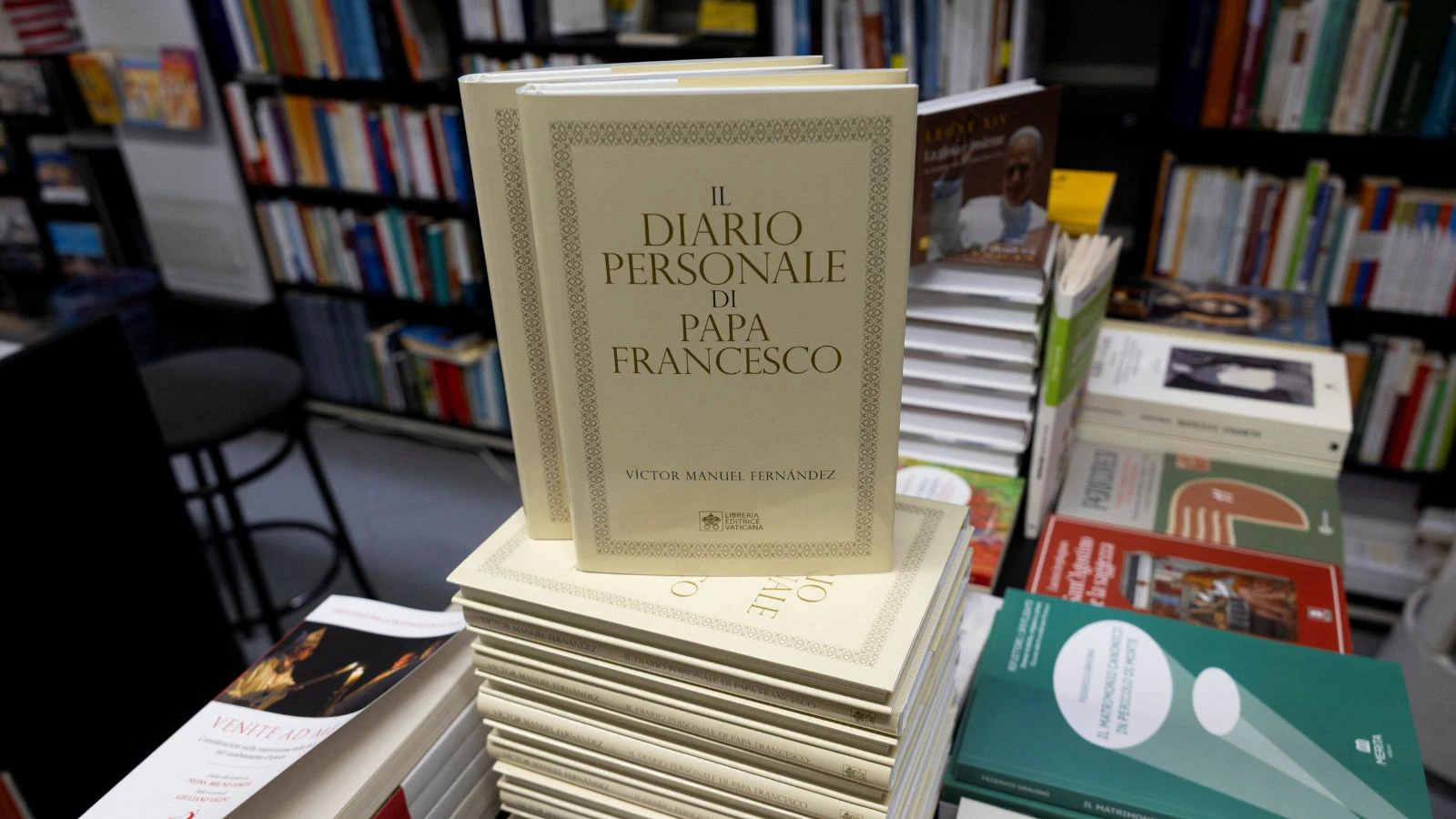
Pope Francis's Private Diary, Published With Vatican Approval, Describes Visions of the Devil
A newly published collection of the late pope's personal diaries, presented by Cardinal Fernandez, shows a pontiff wrestling with power, temptation and a long spiritual crisis, in his own words.
13 sources · today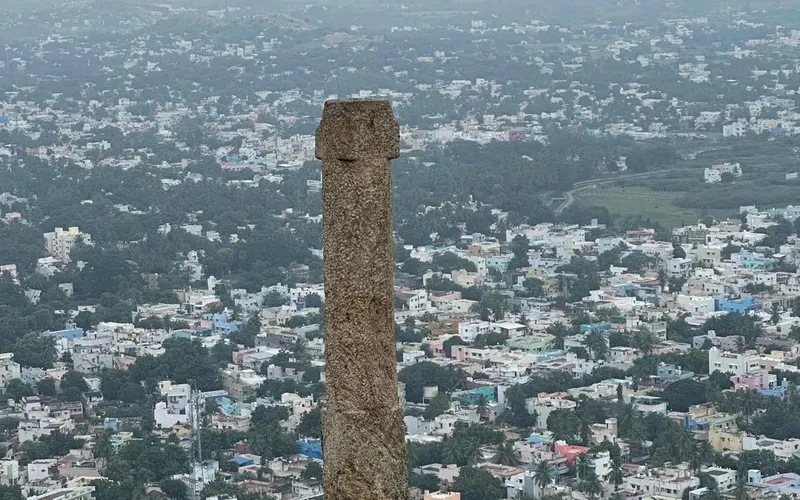
Supreme Court allows one-time Karthigai Deepam lamp at Thiruparankundram hill, Tamil Nadu seeks review
The top court let a lamp be lit on the disputed Deepathoon pillar on November 24 only, but the Tamil Nadu government is now pushing back, and politics is heating up.
15 sources · over 6 days
Pew Research projects Muslims will outnumber Christians worldwide by 2035, with Britain the exception
A new Pew Research Center forecast to 2070 says Islam will pass Christianity as the largest religion within about a decade, driven by fertility rates and age profiles.
39 sources · over 5 days