
Haley Stevens Backs Mike Rogers as Michigan Senate Feud Escalates
Stevens's endorsement of her former rival's Republican opponent has fractured Democratic unity just before an election that could determine control of the Senate.
By Hushread Stories, from 46 outlets · First published 2 Nov 2026
Earlier: Haley Stevens Endorses Mike Rogers After Feud With Abdul El-Sayed
In brief
- Democratic Representative Haley Stevens endorsed Republican Mike Rogers on Sunday, two days before Michigan's Senate election.
- Stevens lost the Democratic Senate primary to Abdul El-Sayed in August before initially endorsing his candidacy.
- The Democratic nominee barred Stevens from campaign events after a public dispute involving Israel and alleged antisemitism.
- Democrats condemned the endorsement, while President Trump praised Stevens and invited her to join the Republican Party.
- The tightly contested Michigan race heads toward Tuesday's election with Democratic divisions dominating the final campaign days.
Timeline · 6 moments
Democrats condemn Stevens as endorsement fuels party anger
The Hill ↗Trump repeatedly calls El-Sayed a jihadist at Iowa rally
Latest news, sport and opinion from the Guardian ↗Trump welcomes Stevens to join the Republican Party
The Hill ↗Stevens faces heckling after backing Republican Senate candidate
Al Jazeera ↗Stevens endorses Republican Rogers in break with Democrats
Politico ↗El-Sayed withdraws Stevens invitation to Sunday campaign appearance
The Hill ↗How it started
Haley Stevens's break with Abdul El-Sayed followed months of uneasy relations after their Democratic Senate primary. Stevens lost in August and immediately endorsed the winner, according to The Atlantic, but subsequently expressed doubts about his campaign.
The dispute became public over a campaign advertisement that Stevens said was antisemitic, ABCNews.com reported. The Financial Times described the broader clash as a war of words over Israel. Those reports establish the subject of the feud, but Stevens's characterization of the advertisement is an allegation, not an established finding.
How it unfolded
On October 31, El-Sayed told Stevens to stay away from his campaign events and withdrew her invitation to a planned Sunday appearance, The Hill reported, citing a source familiar with the matter. "I don't want any distractions," he said Saturday, according to The New York Times.
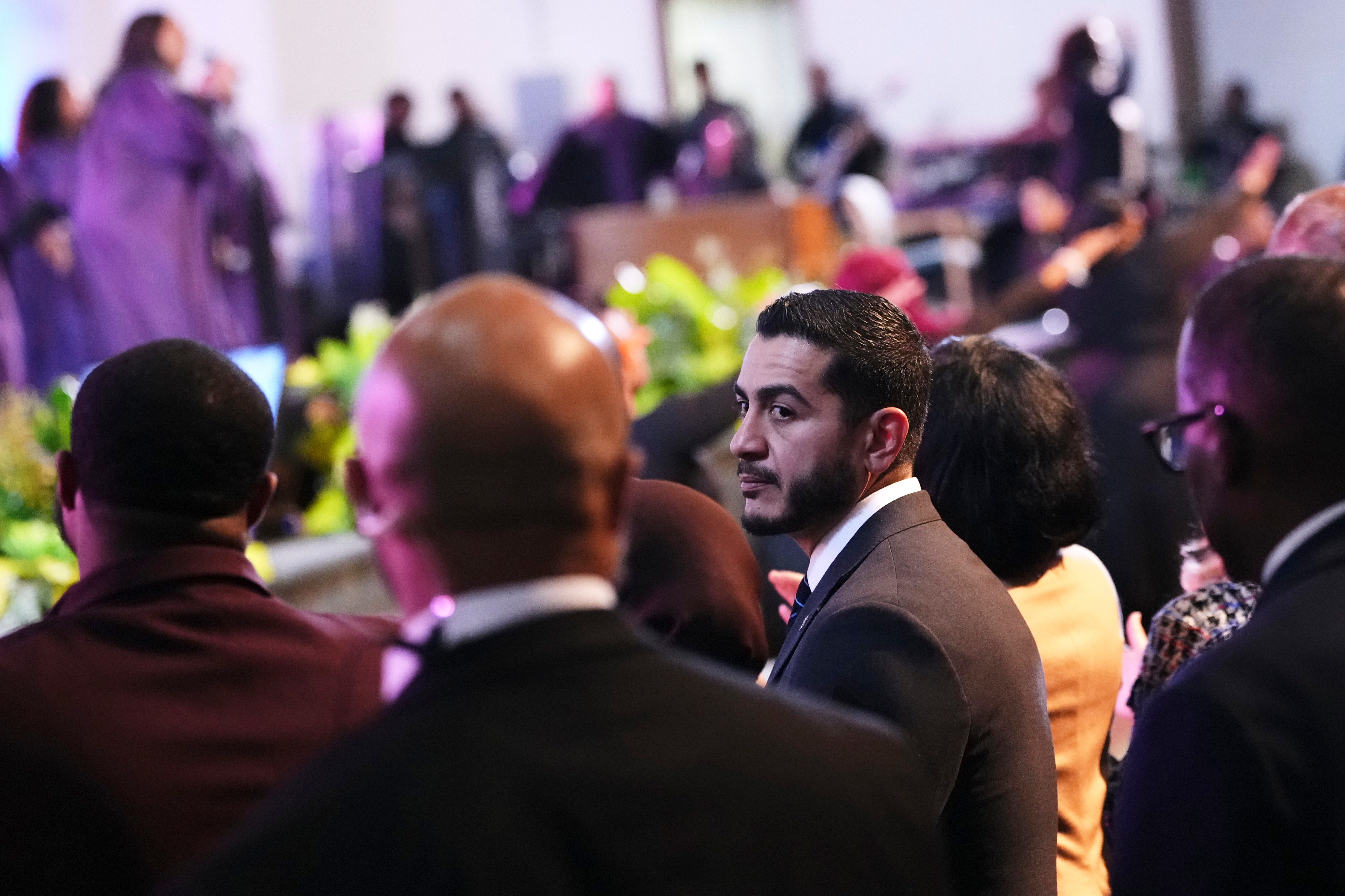
On November 1, Stevens appeared with Rogers at a Detroit church service, according to the Associated Press. She endorsed him that day, breaking with her party's nominee two days before the election, NBC News reported.
The reversal was especially stark because Stevens had been scheduled to attend a unity event with El-Sayed that Sunday, NPR Politics reported. Instead of providing a closing display of Democratic cooperation, she backed his Republican opponent.
The reaction was immediate. Stevens was heckled as a "traitor" after the endorsement, Al Jazeera reported. President Trump said Sunday that he would "love to have" her join the Republican Party, according to The Hill.
Trump also attacked El-Sayed at an Iowa campaign event on Sunday, repeatedly calling him a "jihadist," The Guardian reported on November 2. The outlet described the remarks as racist.
Where it stands
By November 2, Democratic anger at Stevens had become a major part of the race's closing coverage. The Hill reported that her endorsement outraged Democrats while giving Republicans welcome headlines. CBS Top Stories also reported fury within the party.
The contest remains tightly fought, with potential consequences for Senate control, according to NBC News. Rogers said an internal model put him ahead by almost seven points among early votes, the New York Post reported. That is a campaign claim about its own model, not a reported election result or an independent measure of the final outcome.
What to watch
Tuesday's election will show whether Stevens's endorsement translates into votes for Rogers. The immediate question is whether El-Sayed can hold Democratic voters together after a former primary opponent publicly urged support for the Republican. The endorsement alone does not establish how many voters, if any, will follow her.
More in Politics
All →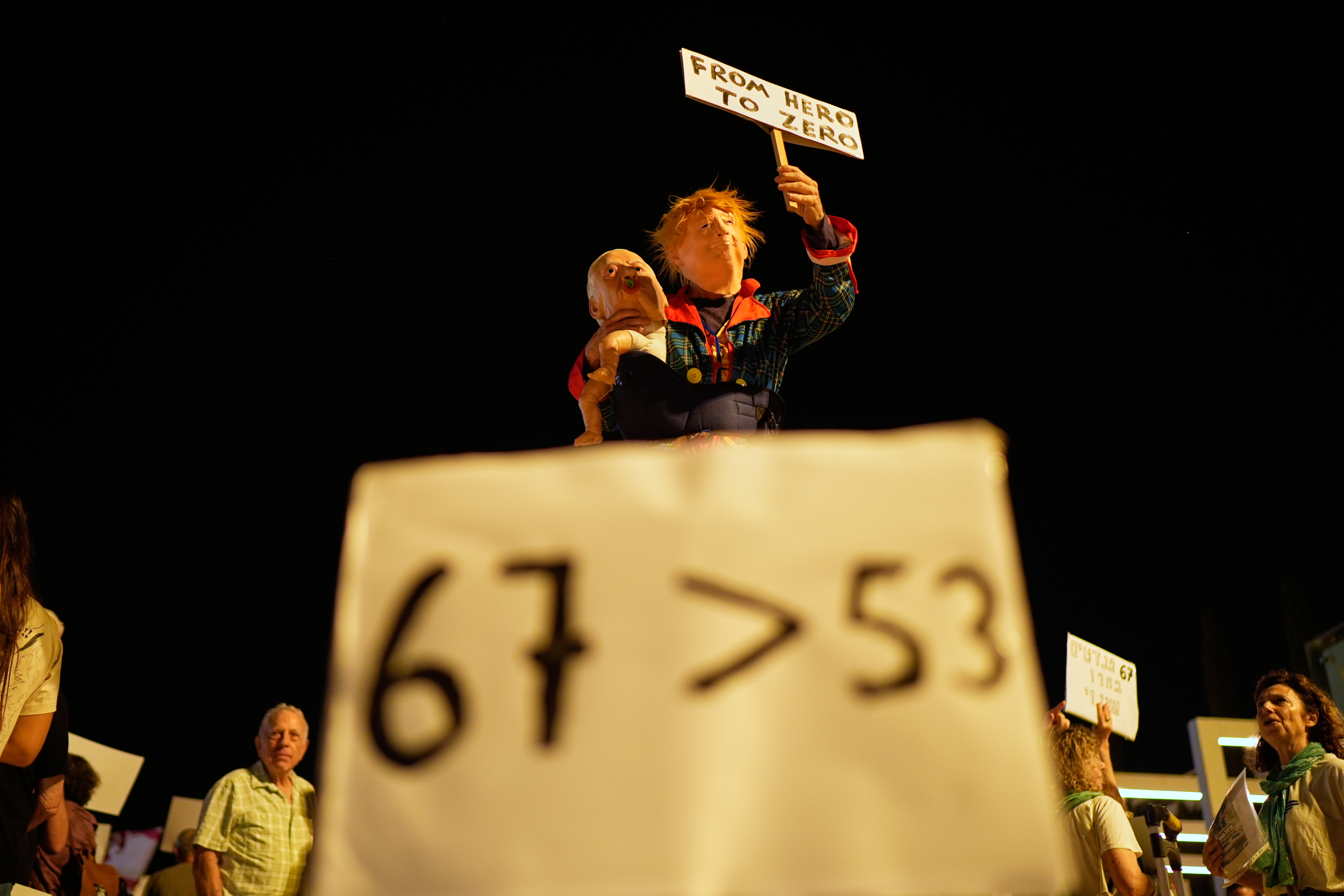
Joint List Offers Support for Eisenkot Government as Netanyahu Falls Short
The Joint List has offered to back an alternative government without joining it, giving the opposition and Arab-led parties 67 seats together.
94 sources · over 7 days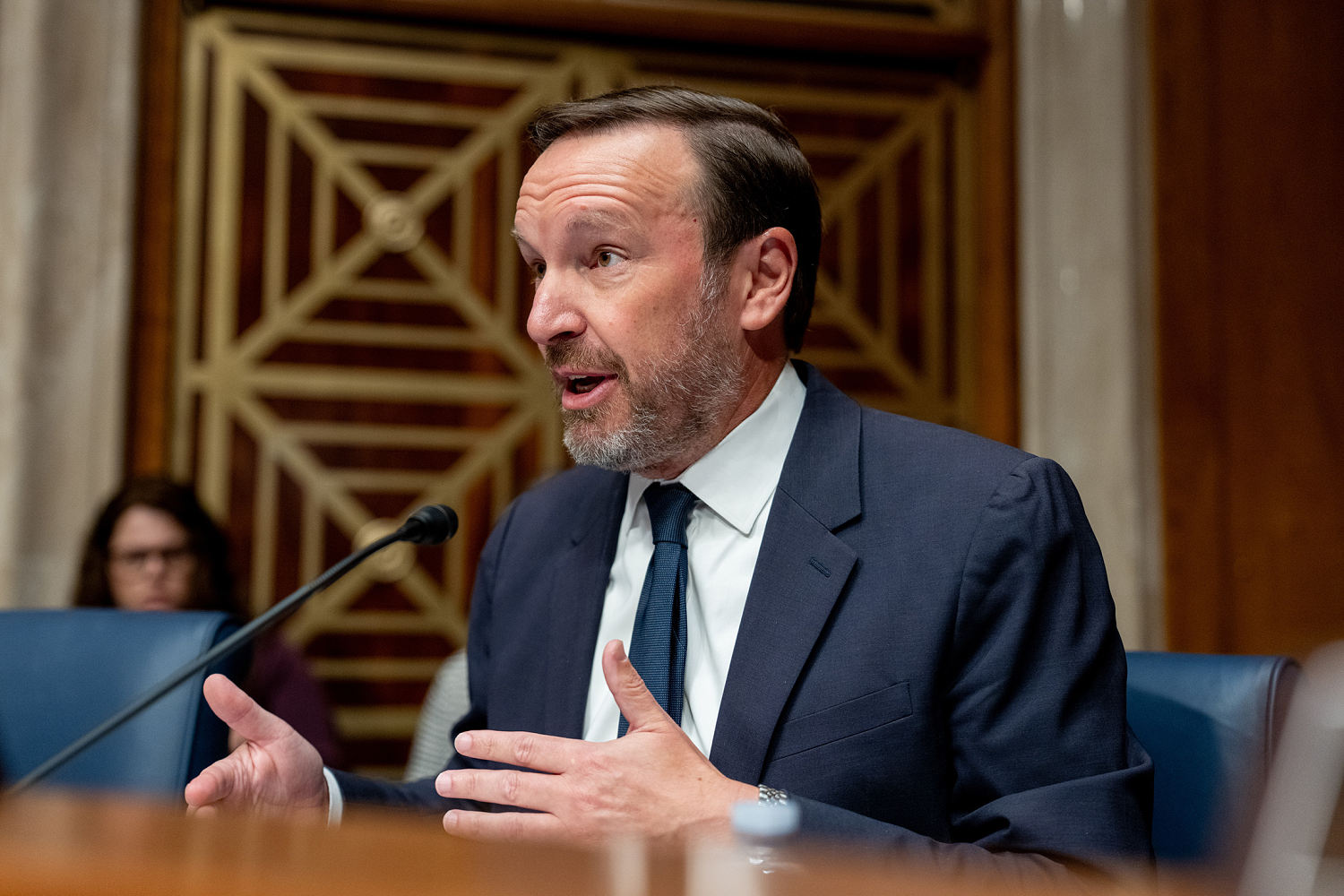
Senator Chris Murphy Hospitalized After Stroke at Son's Hockey Game
The Connecticut Democrat is awake and alert after being hospitalized Saturday, with his office disclosing the stroke Sunday and his team saying he is expected to recover fully.
20 sources · today
Judge dismisses federal lawsuit over two Dan Sullivans in Alaska race
The ruling removes a federal bid to block certification just before Alaska votes, while allegations of deliberate voter confusion remain under criminal investigation.
25 sources · over 5 days