
Israel Election Leaves Netanyahu Short of Majority as Coalition Talks Begin
Final results put Netanyahu's bloc ahead but unable to govern alone, leaving Arab parties central to coalition calculations while officials reject claims of widespread election fraud.
By Hushread Stories, from 94 outlets · First published 1 Nov 2026 · Chapter 2 of 2
Earlier: Israel Election Results Confirm Netanyahu Short of a Majority
In brief
- Israel's October 27 election left Prime Minister Benjamin Netanyahu's Likud the largest party but without a governing majority.
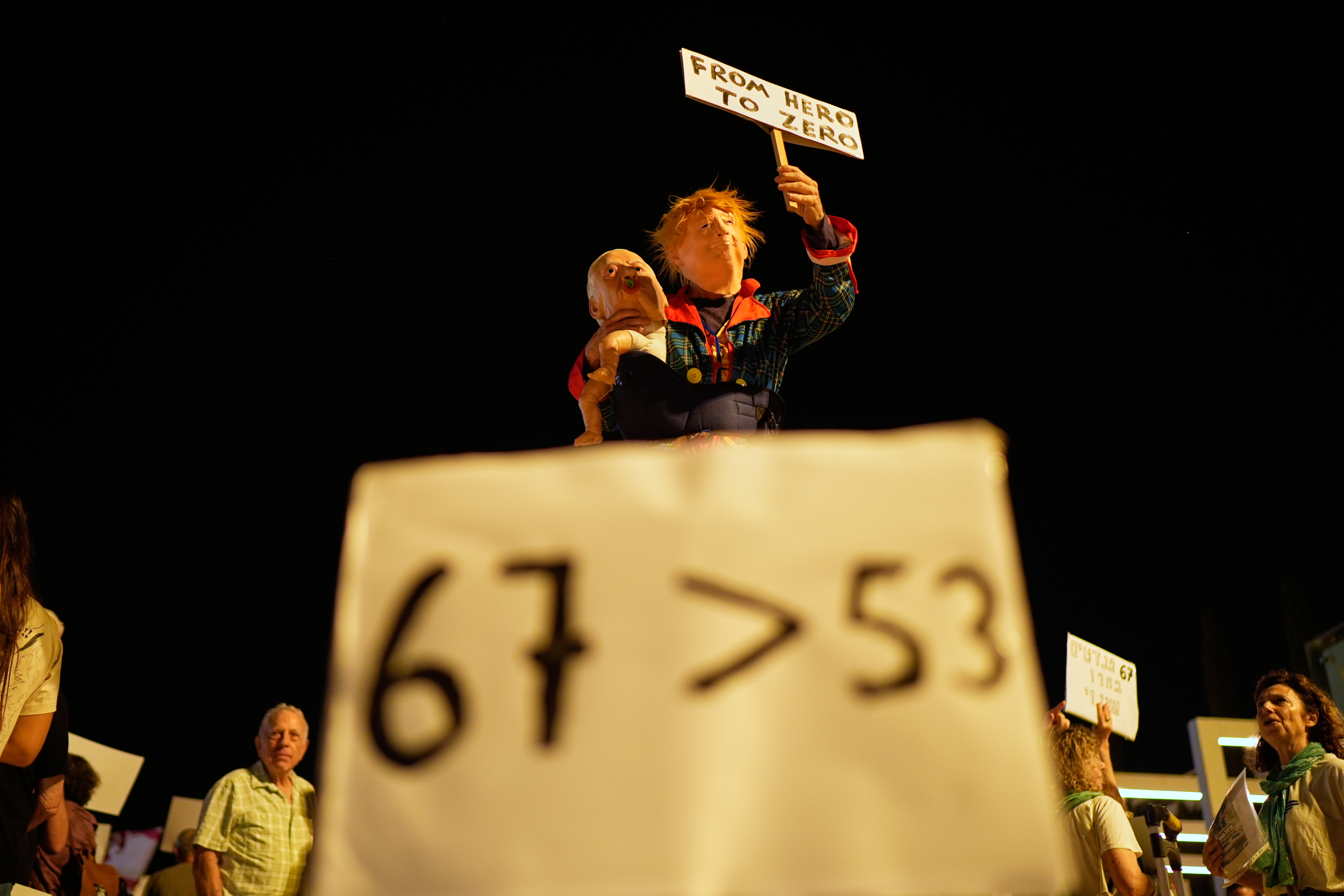
- Netanyahu's outgoing coalition secured 53 parliamentary seats, while the main opposition bloc led by Gadi Eisenkot won 48.
- Israel's Arab parties won a record 19 seats, putting them at the center of difficult coalition calculations.
- Netanyahu and Likud alleged election theft by Arab parties, but police and election officials rejected widespread fraud claims.
- Both leading blocs need broader support, with coalition negotiations, a possible unity government and fresh elections under discussion.
Timeline · 6 moments
Anti-Netanyahu bloc weighs direct prime ministerial election bill
Times of India ↗Tibi urges Eisenkot to form a minority government
Middle East Eye ↗Police and election officials reject widespread fraud claims
Mint ↗Final results give Netanyahu bloc 53 seats, opposition 48
Franceinfo ↗Netanyahu and Likud allege election theft involving foreign funding
CBS News ↗Israel votes in election that leaves neither bloc dominant
El Colombiano | noticias de Medellín, Antioquia, Colombia y el mundo. ↗How it started
Israel voted on October 27, with Prime Minister Benjamin Netanyahu facing a challenge from Gadi Eisenkot. The final count confirmed that Likud remained the largest party, but Netanyahu's bloc lacked enough seats to form a government, according to nu.nl.
The result split two different measures of success: finishing first and securing the support needed to govern. Neither Netanyahu nor Eisenkot emerged with a majority, Arab News reported, leaving both seeking support beyond their existing blocs.
How it unfolded
By October 30, final results gave Netanyahu's outgoing right-wing and far-right coalition 53 seats, against 48 for the main opposition bloc led by Eisenkot, according to Franceinfo. The parliament has 120 seats, ICL reported.
The dispute over the vote was already intensifying. Netanyahu and Likud alleged on October 29 that Arab-majority parties had stolen the election with foreign funding amounting to vote-buying, CBS News reported. Police and election officials rejected claims of widespread irregularities, according to Mint.
On October 30, a possible route around the deadlock emerged from Arab parties. Tibi urged Eisenkot to form a minority government, with Arab parties ready to back an Eisenkot-led administration, Middle East Eye reported. That offer did not itself establish that such a government could be assembled.
By October 31, the scale of those parties' gains was clear: they held a record 19 seats, according to Arab News. Their parliamentary strength made them central to coalition talks, even as cooperation remained politically difficult. The October 7, 2023 attacks had made cooperation with Arab parties harder for many Jewish Israelis to accept, Sydney Morning Herald reported.
Another possible response surfaced on October 31, when Times of India reported that the anti-Netanyahu bloc was weighing a bill for a direct prime ministerial election. That remained a proposal under consideration, not an agreed solution.
Where it stands
Neither bloc has secured a governing majority. The immediate contest is now about attracting additional parliamentary support, rather than changing which party finished first. CNBC reported that Israel faced weeks of coalition bargaining and an uphill struggle for the opposition to assemble a majority.
A change of prime minister would not necessarily bring a comparable shift in policy. The New York Times reported that Netanyahu and Eisenkot do not differ substantially in their approach to Israel's security or their opposition to a Palestinian state. The coalition arithmetic is unsettled, but those shared positions limit expectations of a major policy break.
What to watch
The central question is whether Eisenkot can turn Arab parties' willingness to offer support into a workable governing arrangement, or whether Netanyahu can broaden his own bloc. A unity government and fresh elections are among the possible outcomes discussed by News18, not settled next steps.
Watch whether the proposed direct-election bill gains support and whether coalition negotiations produce commitments from parties outside either main bloc. Until then, the final seat count has resolved the election tally without resolving who can govern.
More in Politics
All →
Andy Burnham open to formal slavery apology but rules out reparations
The Prime Minister's comments separate a possible British apology from financial compensation, as the King's Caribbean tour brings renewed attention to the suffering caused by slavery.
23 sources · over 2 days
Flávio Bolsonaro's flight to US prompts investigations and diplomatic tensions
Brazil is seeking explanations from Argentina while Washington faces questions over admitting the defeated presidential candidate, who says he fled persecution amid criminal investigations.
30 sources · over 4 days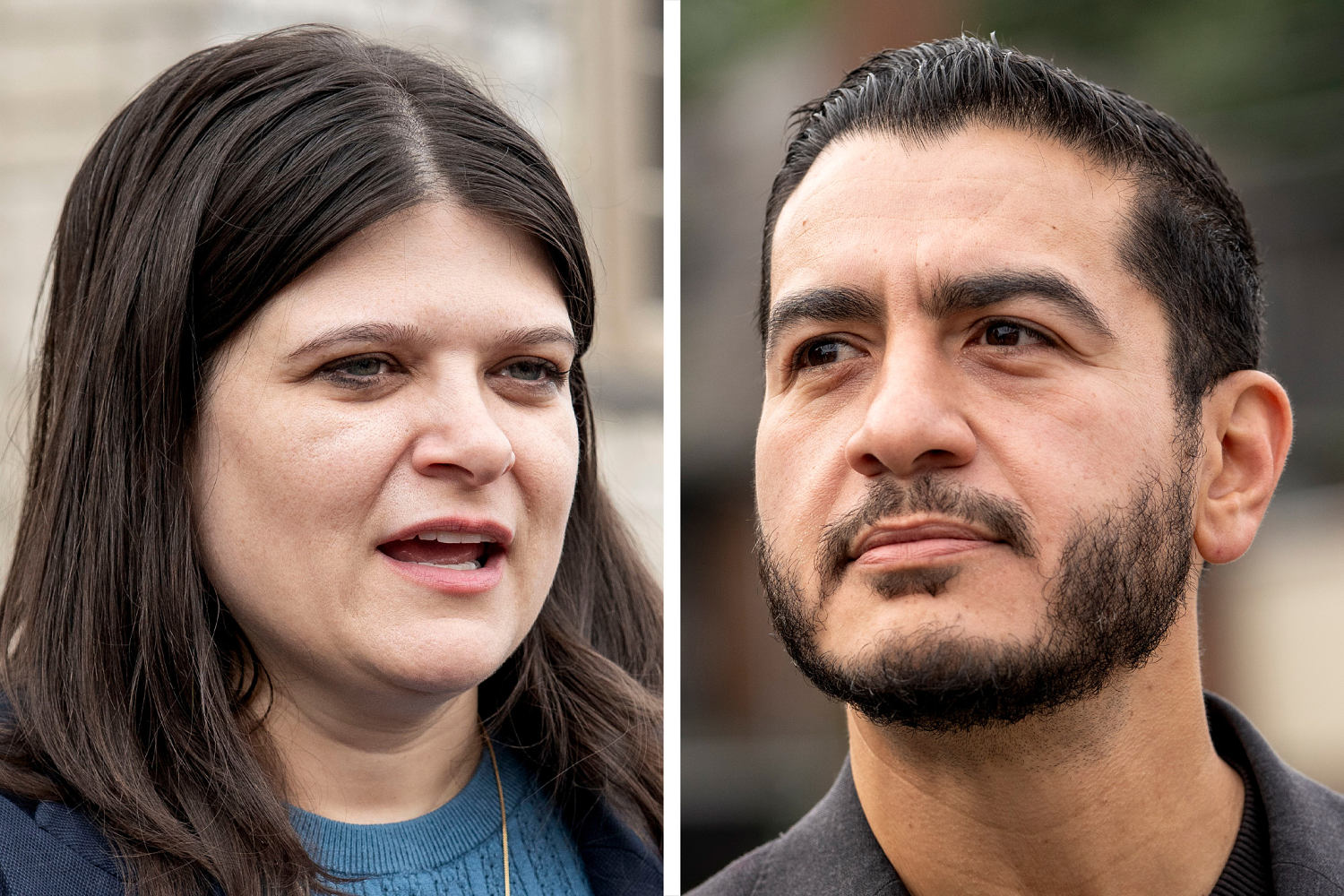
Abdul El-Sayed disinvites Haley Stevens as Michigan Senate feud escalates
A planned show of Democratic unity has unraveled over Israel, leaving Michigan's Senate nominee and his former primary rival publicly divided days before the election.
15 sources · over 4 days