
Flávio Bolsonaro's flight to US prompts investigations and diplomatic tensions
Brazil is seeking explanations from Argentina while Washington faces questions over admitting the defeated presidential candidate, who says he fled persecution amid criminal investigations.
By Hushread Stories, from 30 outlets · First published 1 Nov 2026 · Chapter 2 of 2
Earlier: Flávio Bolsonaro's Exit Through Argentina Triggers Judicial and Diplomatic Scrutiny
In brief
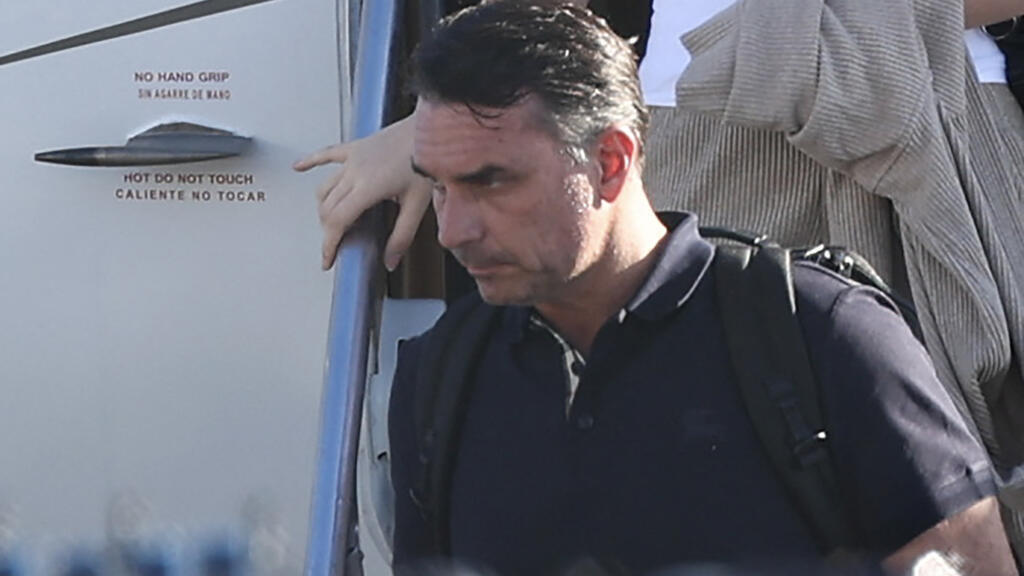
- Flávio Bolsonaro fled Brazil after losing the presidential election and reached Florida through Argentina.
- Brazilian police cancelled his passports after he failed to surrender them as a court had ordered.
- Argentine prosecutors are examining his passage through the country, including whether government agencies concealed his escape.
- Marco Rubio says Washington approved Bolsonaro's admission but did not directly help arrange his departure from Brazil.
- Brazil and Argentina dispute the diplomatic response, while Brazilian and American foreign ministers plan further talks.
Timeline · 8 moments
Rubio confirms admission approval but denies helping departure
BBC Brasil ↗Rubio and Vieira agree to meet in coming weeks
Reuters ↗Bolsonaro video attributes flight to alleged political persecution
© Ricardo Arduengo, AFP ↗Trump not planning to back Bolsonaro leadership claim
Reuters ↗Brazil and Argentina dispute diplomatic summons over escape
Euronews ↗House Democrats investigate State Department role in arrival
Politico ↗Argentine prosecutors seek records on Bolsonaro's passage
El Cronista ↗Brazilian police cancel Bolsonaro's passports after court order
CNN Brasil ↗How it started
Flávio Bolsonaro's departure followed his defeat in Brazil's presidential election to incumbent Luiz Inacio Lula da Silva on Sunday, October 25. He left two days after the vote, according to News18.
He was also facing criminal investigations. DIE WELT reported investigations involving suspected corruption and money laundering, as well as a prohibition on leaving the country. CNN Brasil reported on October 28 that federal police had cancelled his passports after he failed to hand them over as ordered by a court.
Bolsonaro has presented his departure as a response to persecution. He has also challenged the election result, but Al Jazeera reported that his claim the vote was stolen was made without evidence.
How it unfolded
According to Argentine migration authorities cited by Euronews, Bolsonaro crossed into Argentina by land on Tuesday, October 27, and boarded a private plane in Puerto Iguazú that evening, just 40 minutes later. La Nacion reported that he arrived in Miami on Wednesday.
Questions quickly focused on Argentine involvement. On October 28, La Nacion reported that presidential adviser Santiago Caputo had participated in the escape operation and was subsequently stopped at a police vehicle checkpoint in Misiones.
On October 29, El Cronista reported that federal prosecutors had requested migration and security records to reconstruct Bolsonaro's movements and examine possible irregularities. Federal judge María Eugenia Capuchetti ordered the government to provide information following a request from prosecutor Paloma Ochoa, according to Perfil.com.
The dispute widened on October 30. Politico reported that House Democrats were investigating the State Department's role in Bolsonaro's arrival. Brazil also said it had summoned Argentina's diplomatic representative for explanations, although Buenos Aires denied that account, according to Euronews.
Late Friday, October 30, Bolsonaro returned to social media to defend his decision. AFP reported that he said in a video that he had fled because he was a victim of persecution. ABC reported that he again questioned the legitimacy of the election results.
On Saturday, October 31, Secretary of State Marco Rubio said the United States had not directly participated in preparations for Bolsonaro's departure, according to Infobae. BBC Brasil reported that Rubio nevertheless confirmed President Donald Trump had decided to authorize Bolsonaro's entry.
Where it stands
The distinction Washington is drawing is between admitting Bolsonaro and helping him leave Brazil. Rubio acknowledges the former and denies direct involvement in the latter. That conflicts with reporting carried by Times now, which cited officials quoted in a report saying Trump and his aides had helped Bolsonaro flee and enter the United States. The supplied coverage does not resolve those competing accounts.
Admission to the United States also does not amount to backing Bolsonaro's challenge to the election. Reuters reported on October 30, citing sources, that Trump was not planning to support Bolsonaro's claim to be Brazil's leader.
Diplomatic contact is continuing. Secretary of State Marco Rubio and Brazilian Foreign Minister Mauro Vieira spoke briefly at the G20 foreign ministers meeting in Atlanta and agreed to meet in the coming weeks, Reuters reported.
What to watch
Argentina's migration and security records are central to establishing who knew about Bolsonaro's journey and whether officials helped conceal it. The investigation described by El Cronista is examining his passage through Argentina, not merely his eventual arrival in Florida.
In Washington, the congressional inquiry reported by Politico could test the administration's account of its role. The planned Rubio-Vieira meeting, reported by Reuters, provides another opportunity for the two governments to address the tensions.
More in Politics
All →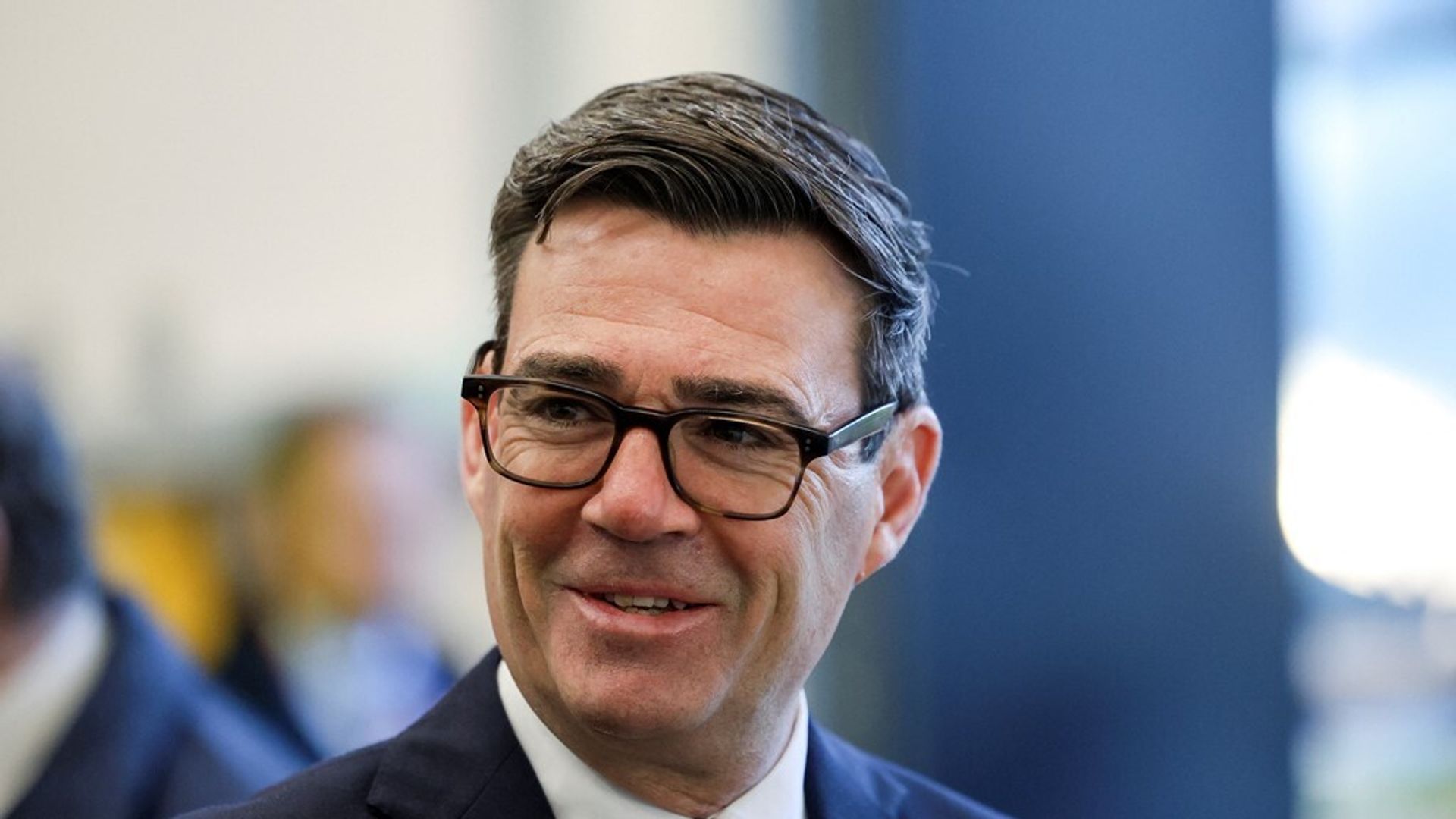
Andy Burnham open to formal slavery apology but rules out reparations
The Prime Minister's comments separate a possible British apology from financial compensation, as the King's Caribbean tour brings renewed attention to the suffering caused by slavery.
23 sources · over 2 days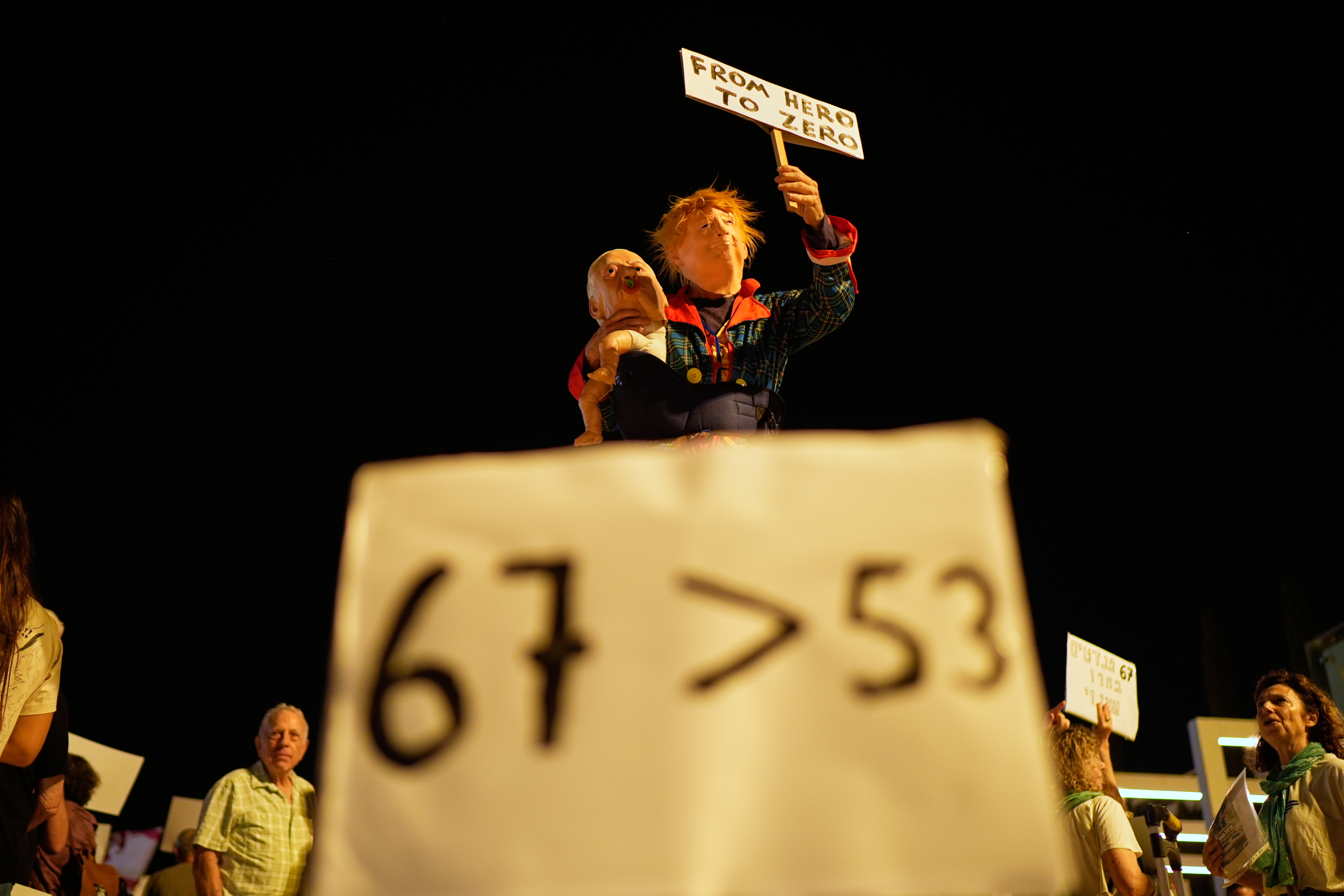
Israel Election Leaves Netanyahu Short of Majority as Coalition Talks Begin
Final results put Netanyahu's bloc ahead but unable to govern alone, leaving Arab parties central to coalition calculations while officials reject claims of widespread election fraud.
94 sources · over 6 days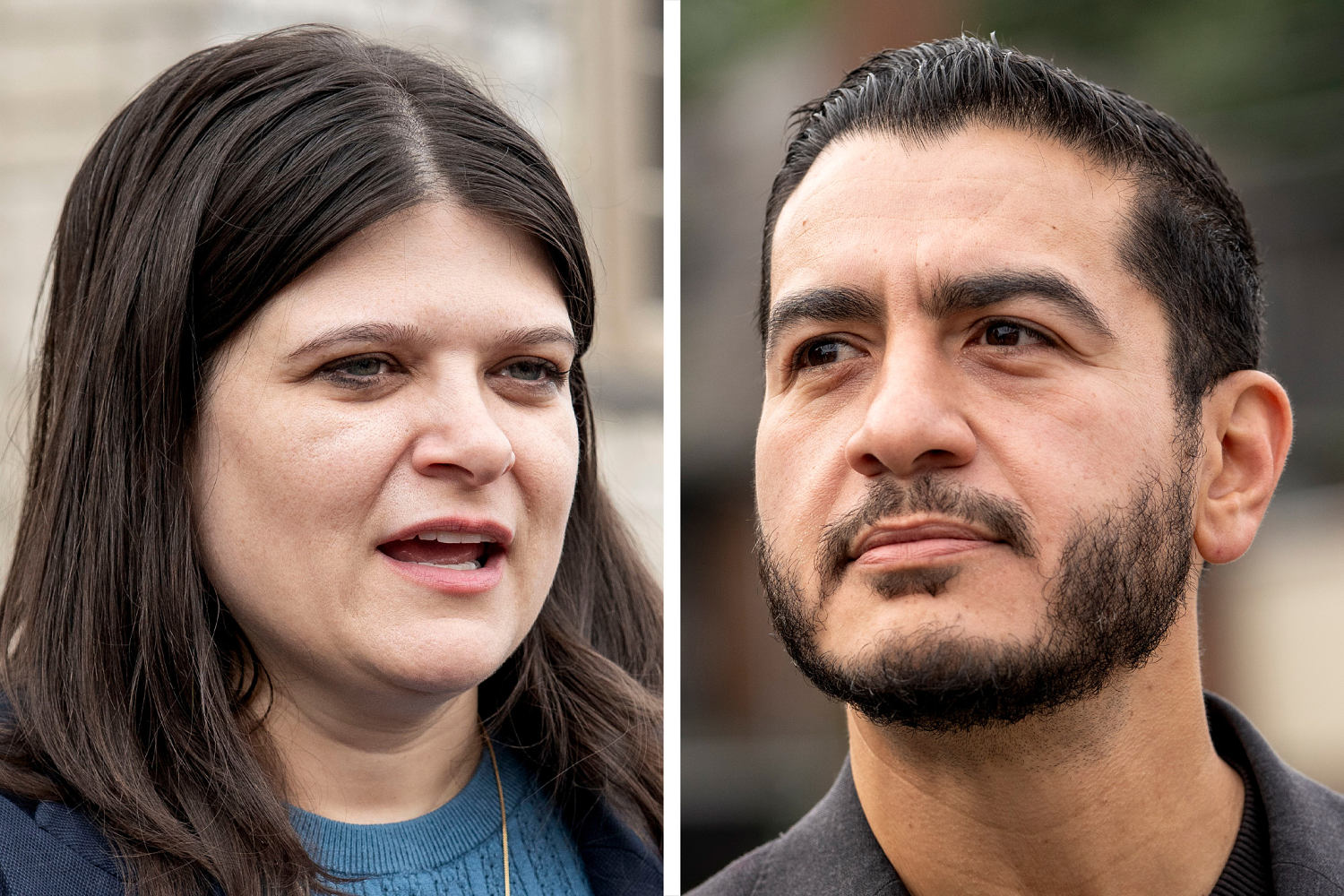
Abdul El-Sayed disinvites Haley Stevens as Michigan Senate feud escalates
A planned show of Democratic unity has unraveled over Israel, leaving Michigan's Senate nominee and his former primary rival publicly divided days before the election.
15 sources · over 4 days