
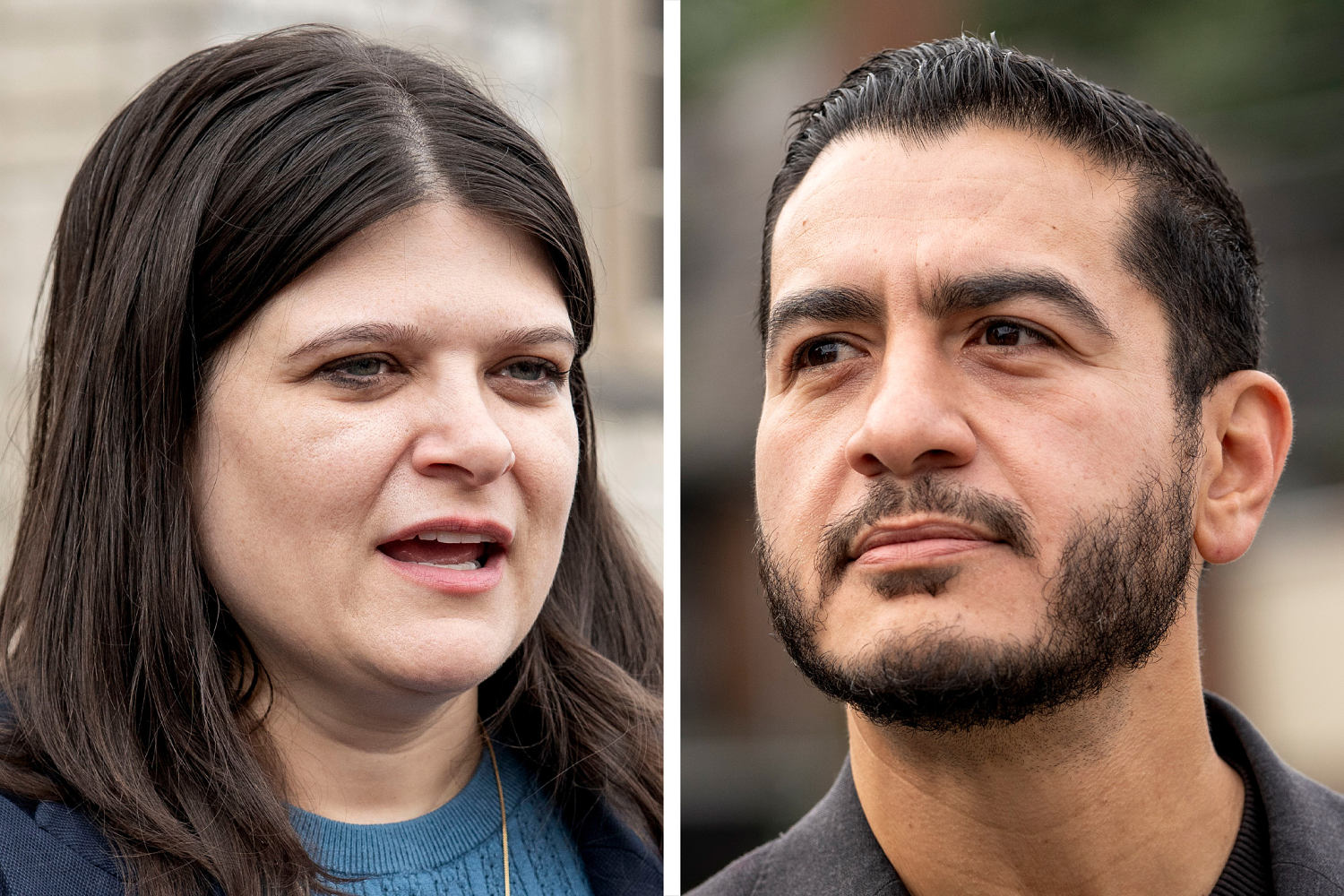
Abdul El-Sayed disinvites Haley Stevens as Michigan Senate feud escalates
A planned show of Democratic unity has unraveled over Israel, leaving Michigan's Senate nominee and his former primary rival publicly divided days before the election.
By Hushread Stories, from 15 outlets · First published 1 Nov 2026
In brief
- Michigan Democratic Senate nominee Abdul faces Republican Mike Rogers in the race to succeed retiring Senator Gary Peters.
- Representative Haley Stevens demanded an apology for comments about Israel and condemnation of an outside group's ad.
- The former primary rivals had planned to campaign together Sunday in Detroit, their first public appearance together in months.
- The Democratic nominee has since disinvited Stevens and asked her to stay away from his campaign events.
- Stevens said she still supported the Democratic nominee after her fiancé announced he would vote for Rogers.
Timeline · 5 moments
El-Sayed disinvites Stevens from planned Sunday campaign event
The Hill ↗Stevens demands apology and disavowal of controversial ad
NYT Politics ↗Former primary rivals plan joint Detroit campaign appearance
Associated Press ↗Stevens says she still supports Democratic Senate nominee
The Hill ↗Stevens's fiancé announces support for Rogers over El-Sayed
The Hill ↗How it started
Michigan Democrats were preparing a public show of unity between Senate nominee Abdul El-Sayed and his former primary rival, Representative Haley Stevens. Instead, their dispute over Israel has become a closing-days campaign fight.
El-Sayed faces Republican Mike Rogers in the race to succeed retiring Democratic Senator Gary Peters, according to Yahoo News. The planned joint appearance in Detroit would have been the former rivals' first public appearance together in months, Associated Press reported.
The division also reached Stevens's household. Her fiancé, Jason Turkish, announced he would vote for Rogers rather than El-Sayed, according to The Hill and New York Post.
How it unfolded
On October 28, The Hill reported that Stevens's fiancé would support Rogers over El-Sayed. Turkish criticized El-Sayed's rhetoric about Israel and Jewish safety, according to New York Post.
By October 29, Stevens had publicly separated her position from her fiancé's. She said she was still supporting El-Sayed and described them as "a household divided," The Hill reported.
Also on October 29, Associated Press reported that Stevens and El-Sayed would campaign together Sunday in Detroit. The appearance offered Democrats a chance to put the primary rivalry behind them before the election.
But the conditions for that appearance soon became a public dispute. On October 30, NYT Politics reported that Stevens wanted El-Sayed to apologize for comments about Israel and disavow an ad she viewed as antisemitic.
The exchanges sharpened on October 31. CBS Top Stories reported that Stevens demanded condemnation of an outside group's ad, while El-Sayed accused her of being "intent on relitigating" their primary. The New York Times reported that the two had traded sharply critical comments Friday.
By October 31, the joint appearance had unraveled. The Hill, citing a source familiar with the matter, reported that El-Sayed had disinvited Stevens from Sunday's event and told her to stay away from his campaign events.
Where it stands
The latest reporting describes a withdrawn invitation, not an approaching reconciliation. El-Sayed's campaign asked Stevens to stay away to limit distractions, according to the Guardian. "I don't want any distractions," El-Sayed said.
The disagreement concerns both El-Sayed's own comments and an outside group's advertising. Stevens's demand that he condemn that ad does not establish that his campaign produced it. NBC News reported that the tensions had drawn in other Michigan Democrats as the party sought to secure the Senate seat.
What to watch
Sunday's Detroit campaigning is the immediate test of whether Democrats can contain the rupture without the planned joint appearance. The latest reporting from The Hill says Stevens has been disinvited.
Whether Stevens maintains her backing is also unresolved in the latest coverage. Her last explicit statement of support in the supplied reports came from The Hill on October 29, before the public exchanges escalated.
More in Politics
All →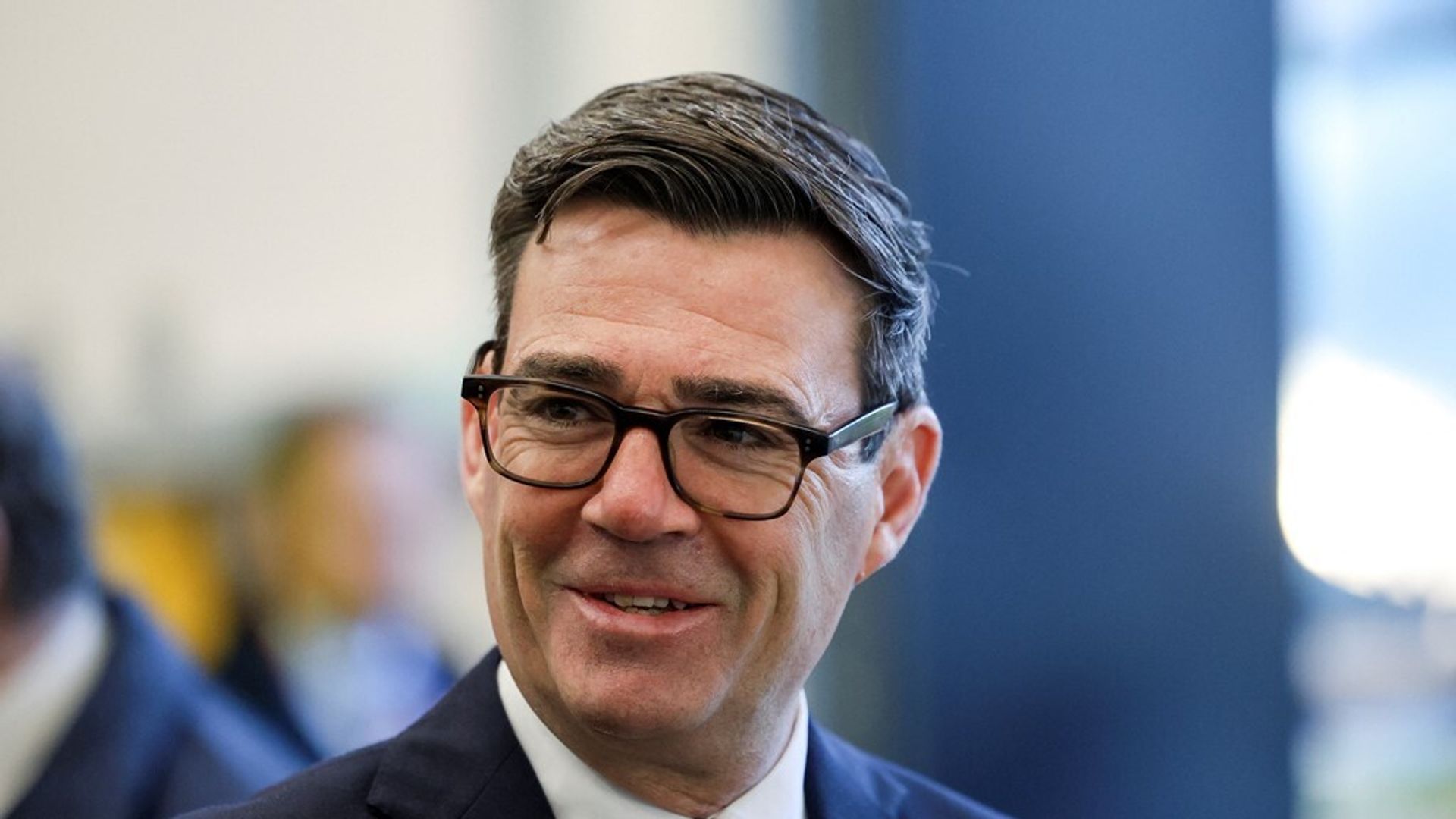
Andy Burnham open to formal slavery apology but rules out reparations
The Prime Minister's comments separate a possible British apology from financial compensation, as the King's Caribbean tour brings renewed attention to the suffering caused by slavery.
23 sources · over 2 days
Flávio Bolsonaro's flight to US prompts investigations and diplomatic tensions
Brazil is seeking explanations from Argentina while Washington faces questions over admitting the defeated presidential candidate, who says he fled persecution amid criminal investigations.
30 sources · over 4 days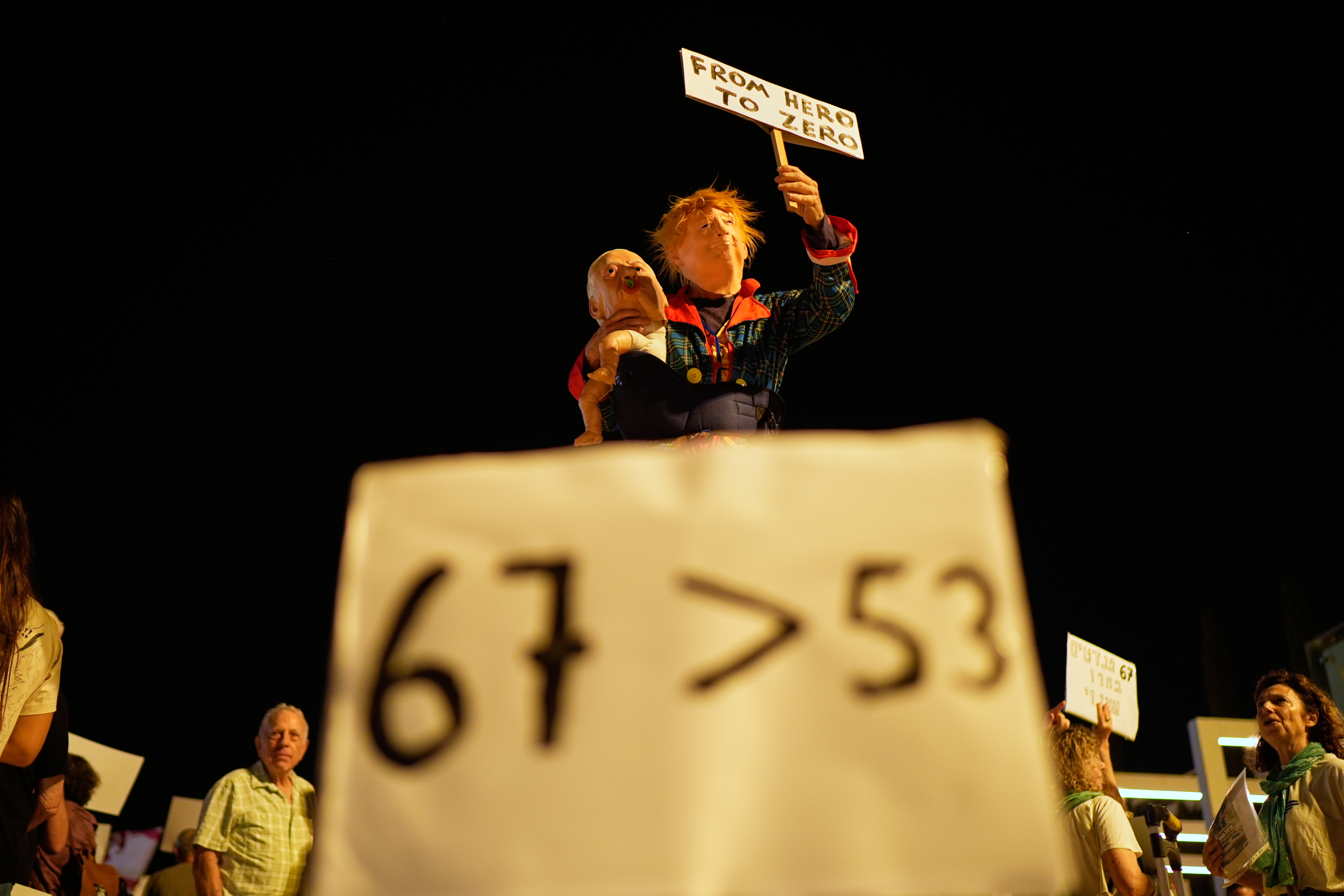
Israel Election Leaves Netanyahu Short of Majority as Coalition Talks Begin
Final results put Netanyahu's bloc ahead but unable to govern alone, leaving Arab parties central to coalition calculations while officials reject claims of widespread election fraud.
94 sources · over 6 days