
Haley Stevens Seeks Protection After Endorsing Republican Mike Rogers in Michigan
The Michigan Democrat's reversal has brought party condemnation, a reported fundraising surge for Abdul El-Sayed and a request for federal protection as voters decide the Senate race.
By Hushread Stories, from 48 outlets · First published 3 Nov 2026 · Chapter 2 of 2
Earlier: Haley Stevens endorses Mike Rogers, prompting push for Democratic caucus removal
In brief
- Democratic Rep. Haley Stevens endorsed Republican Mike Rogers on November 1 after losing Michigan's Senate primary to Abdul El-Sayed.
- Stevens reversed her earlier support for El-Sayed, drawing sharp criticism from fellow Democrats just before Election Day.
- El-Sayed's campaign said it raised a record $2.4 million on the Sunday Stevens announced her Republican endorsement.
- Stevens requested federal protection after telling authorities she received death threats following her decision to support Rogers.
- The November 3 vote will determine the winner, with no election result established in the supplied coverage.
Timeline · 7 moments
Stevens requests federal protection after reporting death threats
Axios ↗State Democratic chair accuses Stevens of misleading constituents
CBS Top Stories ↗Bruce Springsteen endorses El-Sayed ahead of Senate vote
Deadline Hollywood ↗Michigan Democrats refocus campaign efforts on voter turnout
Arab News ↗Cooper presses Stevens to explain her endorsement reversal
The Wrap TV ↗El-Sayed campaign reports record $2.4 million fundraising day
Forbes - Business Business & Economy ↗Stevens backs Rogers alongside him at Detroit church
CNN ↗How it started
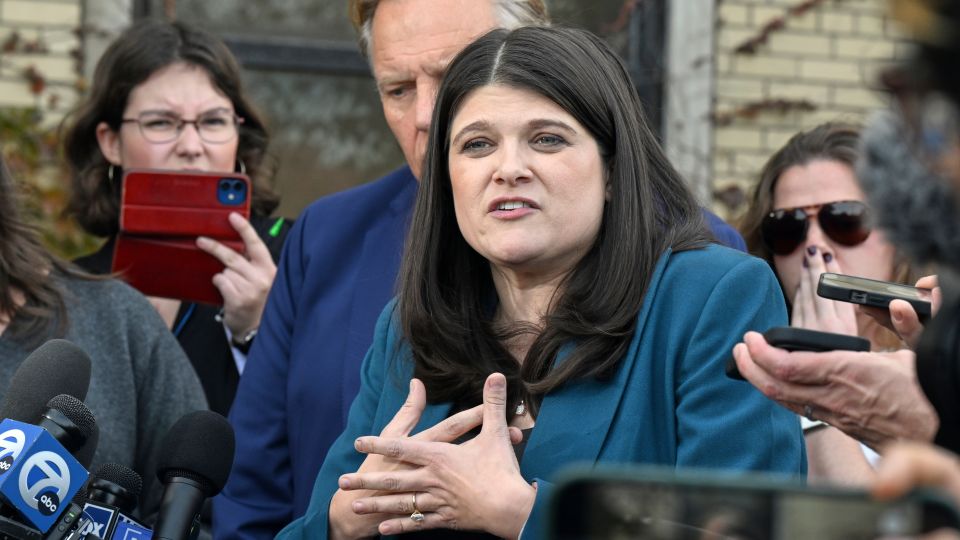
Democratic Rep. Haley Stevens had already lost Michigan's Senate primary to Abdul El-Sayed when she broke with her party to endorse Republican Mike Rogers. NBC News described the primary as bitter and her defeat as narrow. El-Sayed is the Democratic nominee, not a continuing primary challenger.
Stevens had previously endorsed El-Sayed, according to CBS Top Stories. Her reversal followed a dispute over an advertisement accusing Israel of contributing to higher US prices, La Repubblica reported. The Guardian identified Israel as a central issue in the breakdown between the former rivals.
How it unfolded
On November 1, Stevens appeared alongside Rogers after a service at Perfecting Church in Detroit, according to CNN. Her endorsement came two days before the midterm elections, giving Republicans an unexpected boost in a critical Senate contest, The Globe and Mail reported.
President Donald Trump praised her decision as courageous, according to La Repubblica. That evening, Anderson Cooper pressed Stevens to explain her reversal in an interview reported by The Wrap.
By November 2, Democrats were closing ranks around El-Sayed, Financial Times reported. His campaign said it had raised a record $2.4 million on Sunday, the day Stevens endorsed Rogers, according to Forbes. That figure is a campaign claim, not an independently established measure of voter support.
El-Sayed and Michigan Democrats spent November 2 trying to refocus attention on voter turnout, according to Arab News. Bruce Springsteen also endorsed El-Sayed that day, Deadline Hollywood reported.
On November 3, Michigan Democratic Party chair Curtis Hertel Jr. accused Stevens of having "lied to her own constituents," according to CBS Top Stories. Republicans continued promoting the endorsement while Democrats downplayed its likely impact, ABCNews.com reported.
Where it stands
The fallout now includes a reported threat to Stevens's safety. On November 3, Axios reported that she had requested U.S. marshals' protection after telling authorities she had received death threats over her endorsement. The supplied report does not establish whether protection was granted.
Stevens said she had no regrets about voting for Rogers, who defended her against criticism from Democrats, according to New York Post. Meanwhile, The Independent reported discussion among Democrats about expelling her, but the coverage does not establish that any such action has been taken.
The political effect remains unsettled. The Hill reported that the episode had brought Democrats together around El-Sayed while cautioning that its effect on votes remained unknown. The supplied coverage contains no election result.
What to watch
The immediate test is the November 3 Senate vote: whether Rogers benefits from Stevens's support, or whether Democratic anger and El-Sayed's reported fundraising surge translate into turnout. Neither campaign's account of the endorsement's impact settles that question.
Also pending are the response to Stevens's protection request and whether Democratic anger produces formal party action. A request for security is not confirmation of protection, and discussion of expulsion is not a completed decision.
More in Politics
All →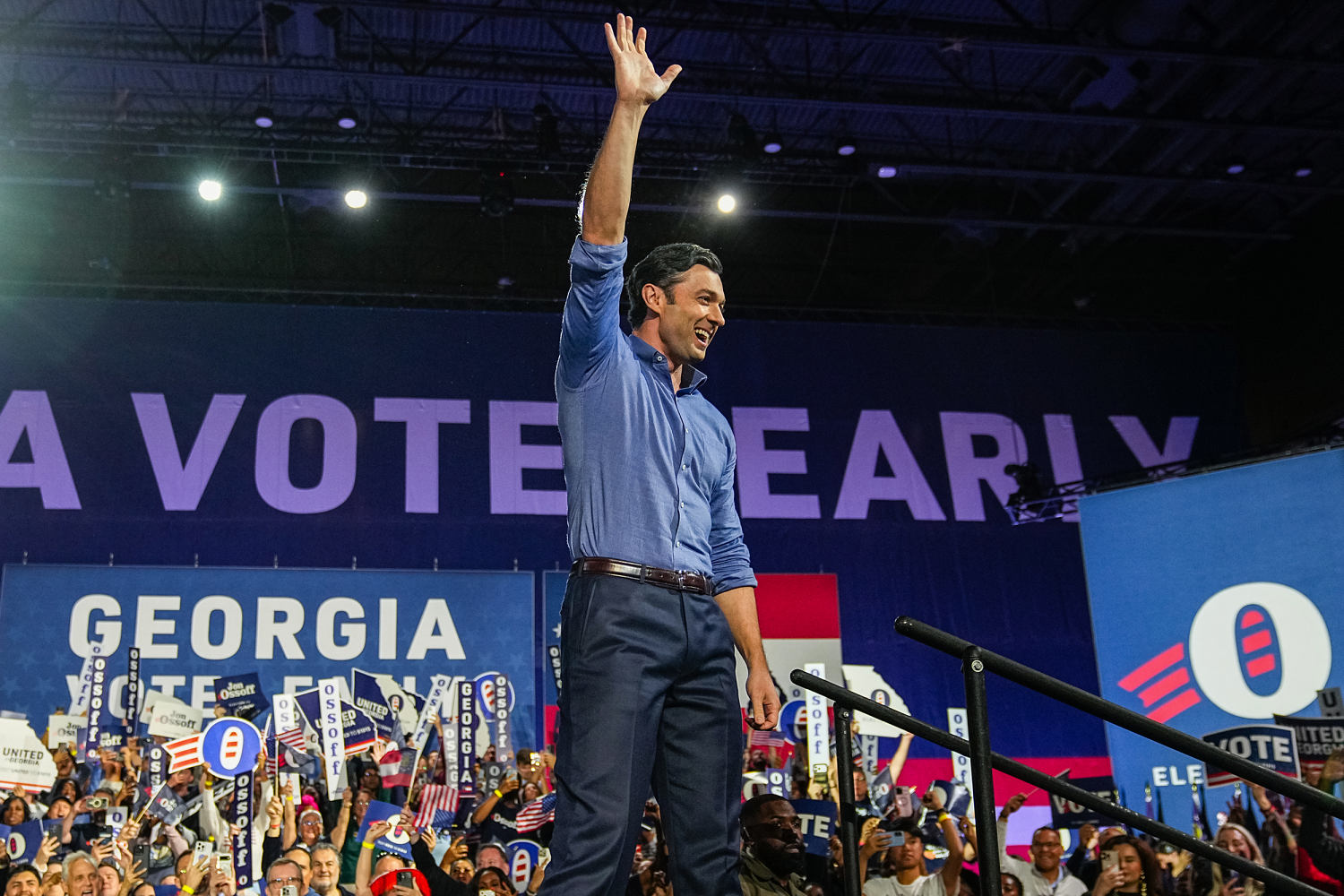
Jon Ossoff wins Georgia Senate race as midterm results emerge
Ossoff's projected victory over Republican Rep. Mike Collins keeps a Georgia Senate seat in Democratic hands, while the supplied coverage leaves the governor's race unresolved.
9 sources · today
Poland's Court Crisis Deepens as Tusk and Nawrocki Clash Over Judges
Poland's Constitutional Tribunal has a new acting head as judges meet amid a dispute over the court's future.
48 sources · over 5 days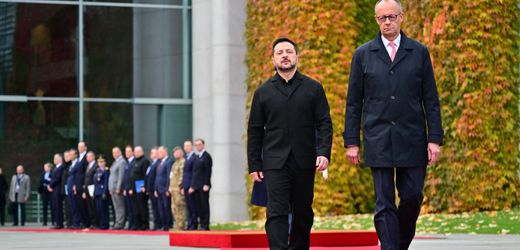
Zelenskyy Visits Berlin as Merz Pushes for Europe's Peace Talks Role
The surprise meeting comes ahead of planned talks with Russia and the US, as Germany promises further support and presses for Europe to help shape negotiations.
8 sources · over 2 days