
Hegseth Visits Caracas and Signs US-Venezuela Military Cooperation Deal After Maduro's Capture
Ten months after US forces seized Nicolás Maduro, Washington and Caracas have agreed to restore military ties, from training to intelligence sharing, ending a break of more than two decades.
By Hushread Stories, from 22 outlets · First published 18 Nov 2026 · Chapter 1 of 2
In brief
- US Defense Secretary Pete Hegseth made an unannounced trip to Caracas and signed a military cooperation agreement with Venezuela's interim government.
- Interim leader Delcy Rodriguez received Hegseth at the presidential palace in Caracas on Wednesday.
- The deal covers training and intelligence sharing, which Hegseth described as reestablishing the two countries' defense partnership.
- Military cooperation between Venezuela and the United States resumes after 21 years of strained relations between the two governments.
- Hegseth called Maduro's capture the most sophisticated military operation in Latin American history and said the allies would hunt narcoterrorists.
Timeline · 5 moments
Hegseth boasts about Maduro operation and vows to hunt narcoterrorists
World news | The Guardian News ↗US and Venezuela sign military cooperation agreement
South China Morning Post ↗Delcy Rodriguez receives Hegseth at presidential palace
NDTV News - World-news News ↗Hegseth makes unannounced visit to Caracas
Financial Times ↗US forces capture Nicolás Maduro, ending his rule
Deutsche Welle ↗Update 19 Nov 2026, 3:36 am UTC
The newest coverage shows the Caracas signing is no longer the whole story. The Daily Beast reports that Hegseth's wider South America tour was thrown off course after Colombia's government turned down the military cooperation agreement he had planned to sign there. The Caracas deal itself stands, with El Colombiano describing it as restoring military relations between Venezuela and the United States. The headline and key points still hold for Venezuela, but the piece should now mention the Colombia setback.
How it started
For years, relations between Washington and Caracas were strained, and the two militaries had no formal cooperation. UPI put the gap at 21 years.
That changed in January, when US forces ousted Nicolás Maduro. Deutsche Welle described it as a removal by US troops, while The Guardian said US special forces abducted him. The Trump administration accuses Maduro of running a criminal network with deep military ties, according to coverage of the visit.
Delcy Rodriguez now leads Venezuela in an interim capacity. Coverage refers to her as interim leader, and Spanish-language outlets as presidenta encargada.
How it unfolded
On Wednesday, 18 November, Pete Hegseth arrived in Caracas without advance announcement. The Financial Times called it a surprise trip, and one US outlet described it as a surprise appearance.
NDTV reported that Rodriguez received him at the presidential palace. He was due to visit Colombia later the same day.
The two sides signed a military cooperation agreement. The South China Morning Post said it re-establishes military ties across areas from training to intelligence sharing, citing Hegseth. Deutsche Welle quoted him calling it the reestablishment of the defense partnership.
Rodriguez, according to RT en Español, said the pact will let Venezuela reinforce the training of its Bolivarian National Armed Force, favor its operational equipment and facilitate further cooperation.
Hegseth also used the visit to talk up the January operation. The Guardian reported that he called Maduro's capture the most sophisticated military operation in Latin American history. The Financial Times said he vowed that the two nations would hunt, find and kill narcoterrorists, framing the cooperation around drug trafficking.
Where it stands
The agreement is signed, and both governments are presenting it as a fresh start. Spain's ABC offered a more skeptical reading, arguing the deal extends US tutelage over Venezuela to its armed forces, long the main support of chavismo.
The coverage describes the scope in broad terms: training, intelligence sharing and equipment. It does not give a detailed text, a timeline or funding figures.
What to watch
The details have yet to emerge. Reporting so far covers headline areas of cooperation but not how troops, trainers or equipment would move, or what oversight applies.
Watch also how the Venezuelan armed forces respond, given their historic role, and how Hegseth's next stop in Colombia shapes the wider regional picture.
More in Politics
All →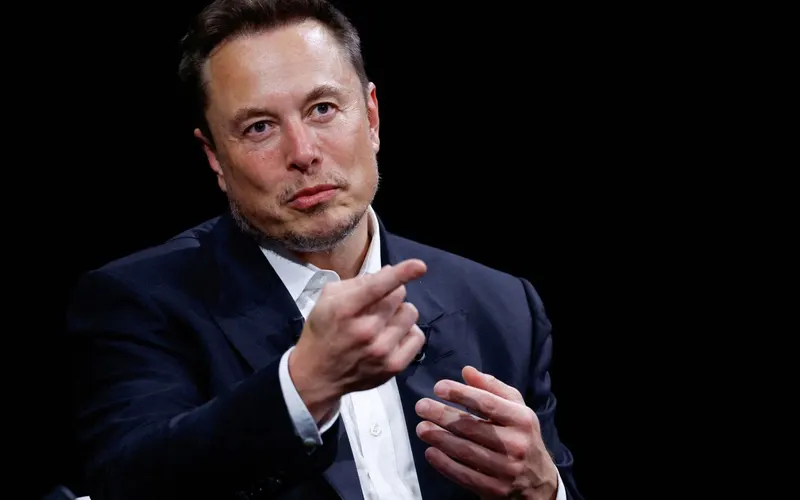
Musk Says He Feels 'Pretty Foolish' After Nearly $500 Million Midterm Spending
The billionaire said he is not MAGA as reported figures for his Republican midterm spending range from about $440 million to nearly $500 million.
46 sources · today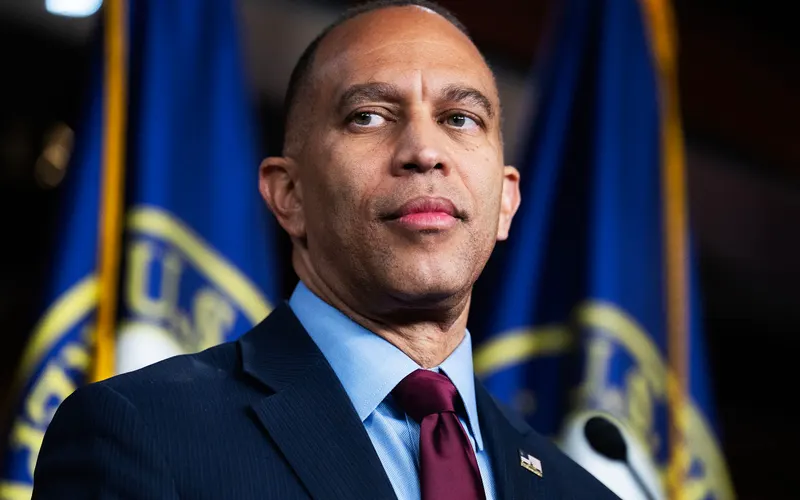
House Democrats Nominate Hakeem Jeffries for Speaker, 251 Votes to 11
Jeffries is set to become the first Black Speaker in U.S. history when the new Congress convenes in January.
43 sources · over 4 days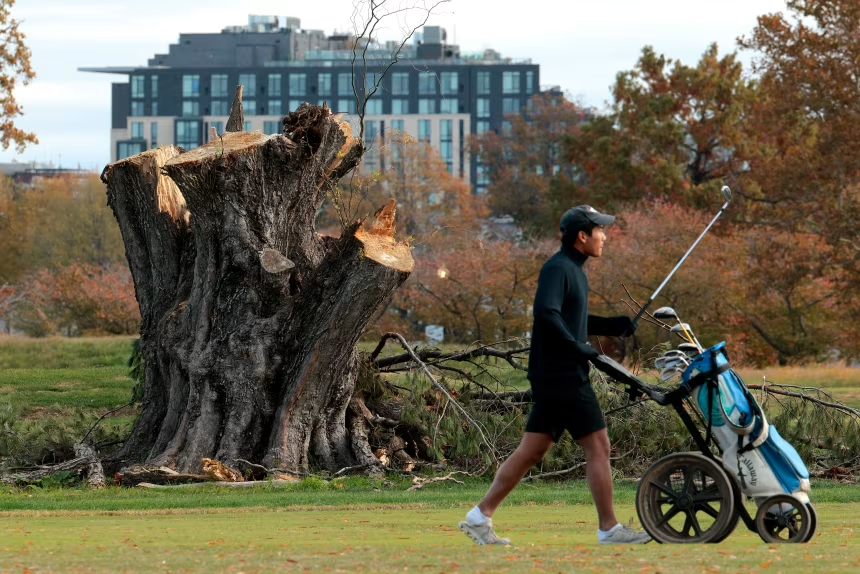
Judge Ana Reyes temporarily blocks closure of East Potomac Park golf course for Trump redevelopment
A federal judge stopped the planned 15-month closure of a public D.C. park hours before it was due to start, putting Trump's golf course makeover on hold while the lawsuit continues.
24 sources · over 6 days