
US and Venezuela Sign Deal to Restore Military Ties After Maduro's Capture
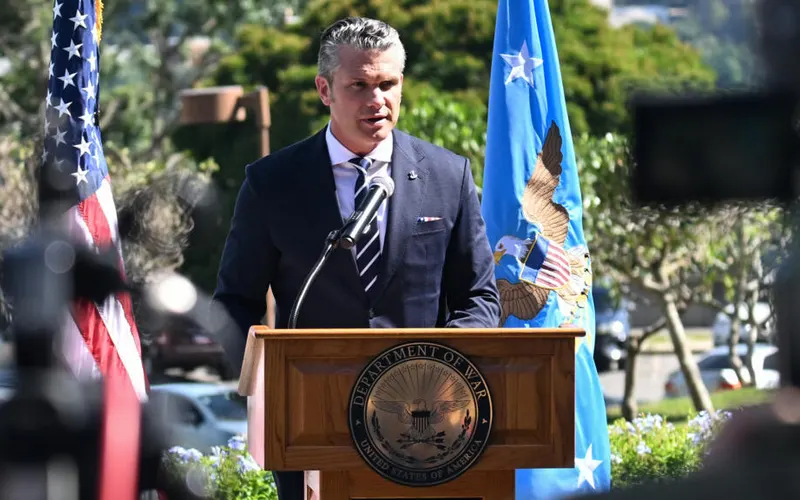
Pentagon chief Pete Hegseth flew unannounced to Caracas to sign a pact with Venezuela's interim government, reviving defence cooperation cut in 2005 and extending US influence over the country's armed forces.
By Hushread Stories, from 32 outlets · First published 19 Nov 2026 · Chapter 2 of 2
Earlier: Hegseth Visits Caracas and Signs US-Venezuela Military Cooperation Deal After Maduro's Capture
In brief
- Defense Secretary Pete Hegseth made an unannounced visit to Caracas on 18 November and signed a deal to restore military ties.
- The agreement covers joint training, intelligence sharing and expanded cooperation against drug trafficking, according to several outlets.
- The deal revives military cooperation that Hugo Chávez ended in 2005, so the two militaries have not worked together for 21 years.
- Acting President Delcy Rodríguez met Hegseth and said the pact will strengthen training and equipment for Venezuela's armed forces.
- Hegseth's planned next stop in Colombia has reportedly been disrupted after its president rejected his proposal.
Timeline · 7 moments
Hegseth calls Venezuela a compliant security partner, not a threat
BBC News - World News ↗Colombian leader reportedly rejects Hegseth's cooperation proposal
The Daily Beast Latest Articles ↗Hegseth calls Venezuela a compliant security partner
News ↗US and Venezuela sign deal to re-establish military ties
Associated Press ↗Hegseth lands unannounced in Caracas, meets Delcy Rodríguez
© Juan Barreto, AFP ↗US special forces capture President Nicolás Maduro
ThePrint ↗Chávez severs technical-military cooperation with the United States
Agencia EFE - www.efe.com - English edition ↗Update 19 Nov 2026, 3:46 pm UTC
Coverage published on 19 November adds the reactions and framing around the deal, including Al Jazeera's questions about US influence and regional security and BBC News quoting Hegseth calling Venezuela a "compliant security partner" now rather than its most aggressive regional threat. The core facts in the piece still hold: Hegseth signed the agreement in Caracas on 18 November, and the pact restores ties severed in 2005. The new material does not change the headline's specifics, so the existing headline stands, but the key points are updated to reflect the US framing and the Colombia complication.
How it started
The deal rests on an event ten months earlier. In January, US special forces captured Venezuelan President Nicolás Maduro, and ThePrint described Hegseth's trip as his first visit to the country since Maduro was deposed. Delcy Rodríguez now governs as acting or interim president.
Reuters, via a World news summary, noted that the Trump administration accuses Maduro of running a criminal network with deep military ties. That matters here, because the armed forces were long the main prop of chavismo, as ABC put it.
Relations between the two countries were strained for years before that. EFE reported that technical-military cooperation was severed in 2005 by then-President Hugo Chávez.
How it unfolded
Hegseth arrived in Caracas on Wednesday 18 November without advance notice. AFP called it a surprise trip and said it was the highest-level US visit since Maduro's removal. He met Rodríguez to discuss coordinating counterterrorism and narcotics efforts, according to Just the News.
The two sides then signed the agreement. The Associated Press reported that it ranges from joint training to intelligence sharing. Deutsche Welle quoted Hegseth describing it as the "reestablishment of our defense partnership."
Hegseth framed the pact in blunt terms. Al Jazeera said he described its aim as stabilising Venezuela and ridding it of "narco-terrorists." The Financial Times reported that he said the two nations would "hunt", "find" and "kill" narcoterrorists. Renascença quoted him saying the deal would ensure Venezuelans are not threatened by foreign actors, narcoterrorists or criminals.
He also spoke about Maduro's capture. The Guardian reported that he called it the "most sophisticated military operation" in Latin American history. Times Now and another outlet quoted him saying Venezuela has gone from "our most aggressive regional threat to a compliant security partner."
Rodríguez presented the deal differently. RT en Español quoted her saying it would reinforce training of the Fuerza Armada Nacional Bolivariana, favour its operational equipment and facilitate access to technology. NDTV added that she has governed under US watch.
ABC read the agreement as the United States extending its tutelage over Venezuela to the armed forces.
Where it stands
The agreement is signed, and both governments have described it as a resumption of cooperation rather than a new alliance. Coverage does not give the deal's full text, a timeline for joint training, or details on how intelligence will be shared.
One conflict in the coverage concerns how the trip became known. Some reports said Venezuelan state media disclosed the visit, while most outlets simply called it unannounced. The coverage provided does not settle that.
What to watch
The next stop on Hegseth's tour was Colombia. Euronews said he was due to discuss bilateral security cooperation there. The Daily Beast reported that the trip was thrown off course after Colombia's president, named as Abelardo D..., turned down his military cooperation agreement. The summary is cut off, so the exact terms and extent of that rejection remain unclear.
The larger open question is what the Venezuelan pact looks like in practice: how much training and equipment flows, and how far the counternarcotics push extends. Gulf News described Hegseth as embattled and noted he had recently avoided congress, which may shape how the deal is received in Washington.
More in Politics
All →
Musk Says He Feels 'Pretty Foolish' After Nearly $500 Million Midterm Spending
The billionaire said he is not MAGA as reported figures for his Republican midterm spending range from about $440 million to nearly $500 million.
46 sources · today
House Democrats Nominate Hakeem Jeffries for Speaker, 251 Votes to 11
Jeffries is set to become the first Black Speaker in U.S. history when the new Congress convenes in January.
43 sources · over 4 days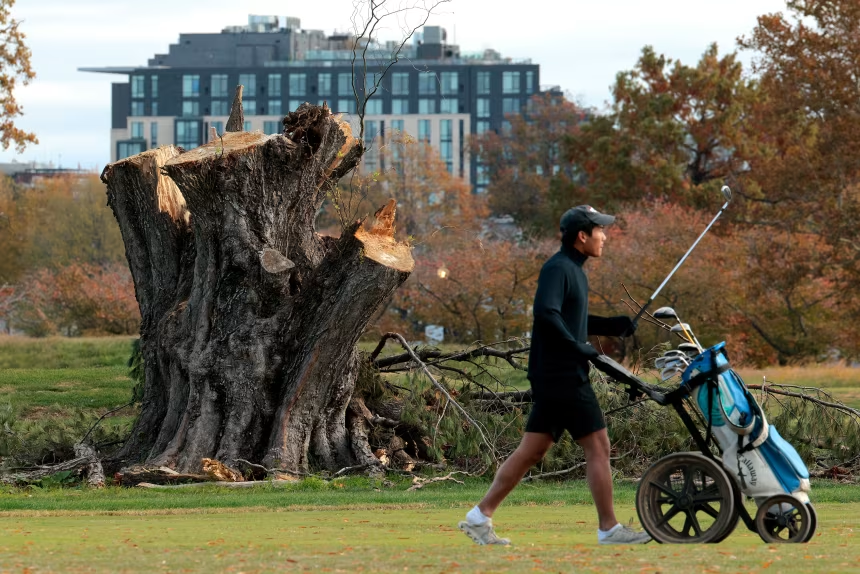
Judge Ana Reyes temporarily blocks closure of East Potomac Park golf course for Trump redevelopment
A federal judge stopped the planned 15-month closure of a public D.C. park hours before it was due to start, putting Trump's golf course makeover on hold while the lawsuit continues.
24 sources · over 6 days