
Indonesia Vice President Gibran Submits Resignation Amid Education Credentials Dispute
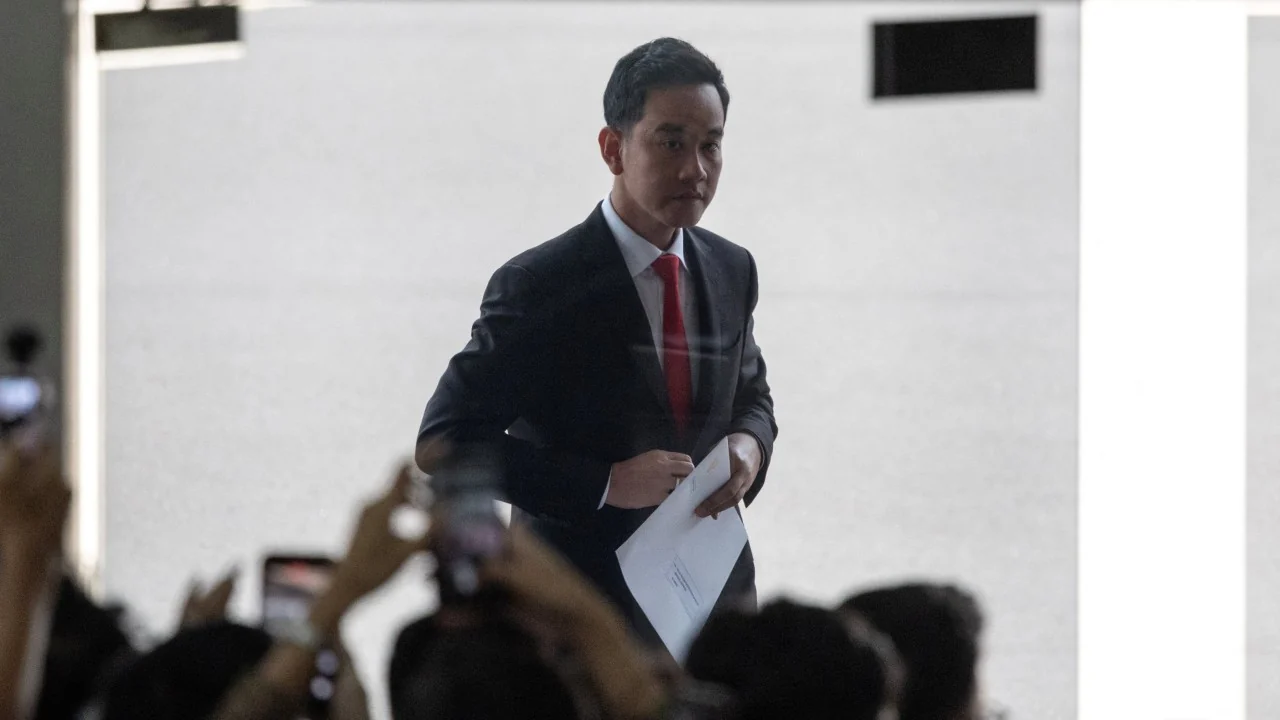
Gibran Rakabuming Raka's formal resignation submission starts a parliamentary approval process as questions over his qualifications deepen strains in President Prabowo Subianto's ruling alliance.
By Hushread Stories, from 12 outlets · First published 12 Nov 2026
In brief
- Gibran Rakabuming Raka formally submitted his resignation to the upper house of parliament on November 12.
- Court rulings last month found his education documents did not meet election requirements, prompting intense scrutiny.
- His departure comes amid growing strains between President Prabowo Subianto and former President Joko Widodo, Gibran's father.
- The upper house now has three days to officially approve his resignation, followed by another 60 days to select a replacement.
- Lawmakers had been weighing an eligibility probe before Gibran formally submitted his resignation to parliament.
Timeline · 5 moments
Formal submission starts approval and replacement timetable
World News CNA ↗Gibran formally submits resignation to upper house
South China Morning Post ↗Aide says Gibran has resigned amid qualifications scrutiny
World News CNA ↗Presidential spokesperson confirms Gibran intends to step down
World News CNA ↗Parliament reconvenes as lawmakers weigh Gibran eligibility probe
South China Morning Post ↗How it started
The dispute centres on whether Vice President Gibran Rakabuming Raka met the educational requirements for election. According to World News CNA, Constitutional Court and Supreme Court rulings last month found that his education documents did not meet those requirements.
The scrutiny came amid a widening rift between President Prabowo Subianto and Gibran's father, former President Joko Widodo. The Financial Times reported that Gibran's departure could end a crucial alliance between the two men and deepen political instability.
How it unfolded
On November 10, parliament reconvened with lawmakers considering a probe into Gibran's eligibility, according to the South China Morning Post. His future in office was already in doubt as the political rift widened.
That day, presidential spokesperson Prasetyo Hadi confirmed Gibran's intention to step down. World News CNA reported that Prasetyo denied reports that Prabowo had rejected the request, but stopped short of saying the president had accepted it.
On November 11, an aide said Gibran had resigned, according to World News CNA. BBC World also reported his resignation, linking the development to signs that the ruling alliance was fraying.
On November 12, Gibran formally handed his resignation to the upper house of parliament, the South China Morning Post reported. That submission moved the process beyond the earlier reports of his intention to leave.
Where it stands
Gibran has formally submitted his resignation, but parliamentary approval remains the next procedural step. World News CNA reported on November 12 that the upper house now has three days to officially approve it and another 60 days to select a replacement.
The political consequences remain unsettled. The South China Morning Post reported that analysts warned his departure could trigger a scramble for power, while the Japan Times described growing strain in the alliance between Prabowo and Widodo.
What to watch
The immediate milestones are the upper house's approval decision and its selection of a replacement within the timetable reported by World News CNA.
Another open question is whether lawmakers proceed with the eligibility probe they were considering on November 10, as reported by the South China Morning Post. The supplied coverage does not establish whether the formal resignation submission changes those plans.
More in Politics
All →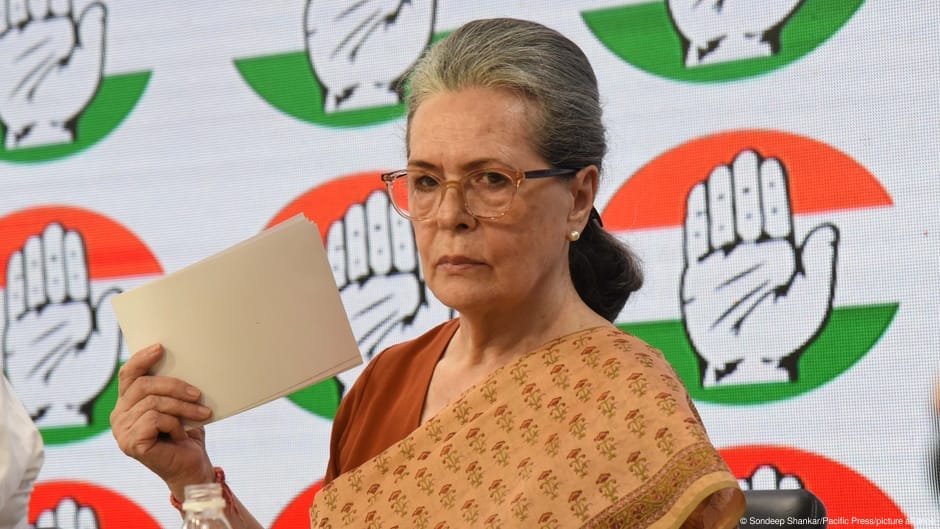
Sonia Gandhi Releases Belonging as Memoir Reopens Disputes Over Congress History
Released on November 10, Sonia Gandhi's personal memoir has prompted BJP accusations of whitewashing history, alongside attention to family losses and a dispute over its publication.
18 sources · over 6 days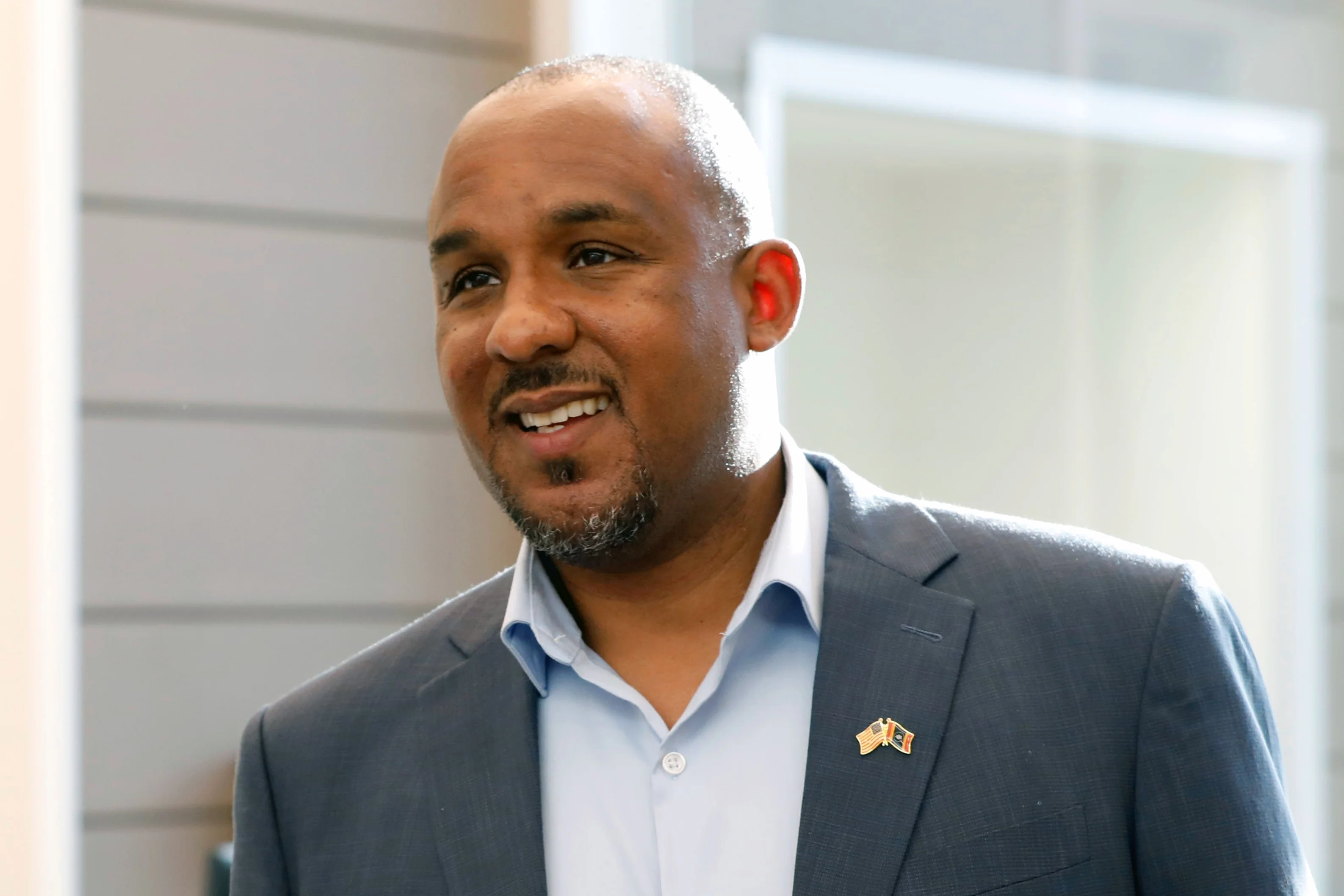
Scott Colom Wins Mississippi Senate Seat, Defeating Incumbent Cindy Hyde-Smith
The Democrat's narrow victory over Republican Sen. Cindy Hyde-Smith delivers a major Mississippi upset and makes him the state's first Black senator elected since Reconstruction.
40 sources · over 3 days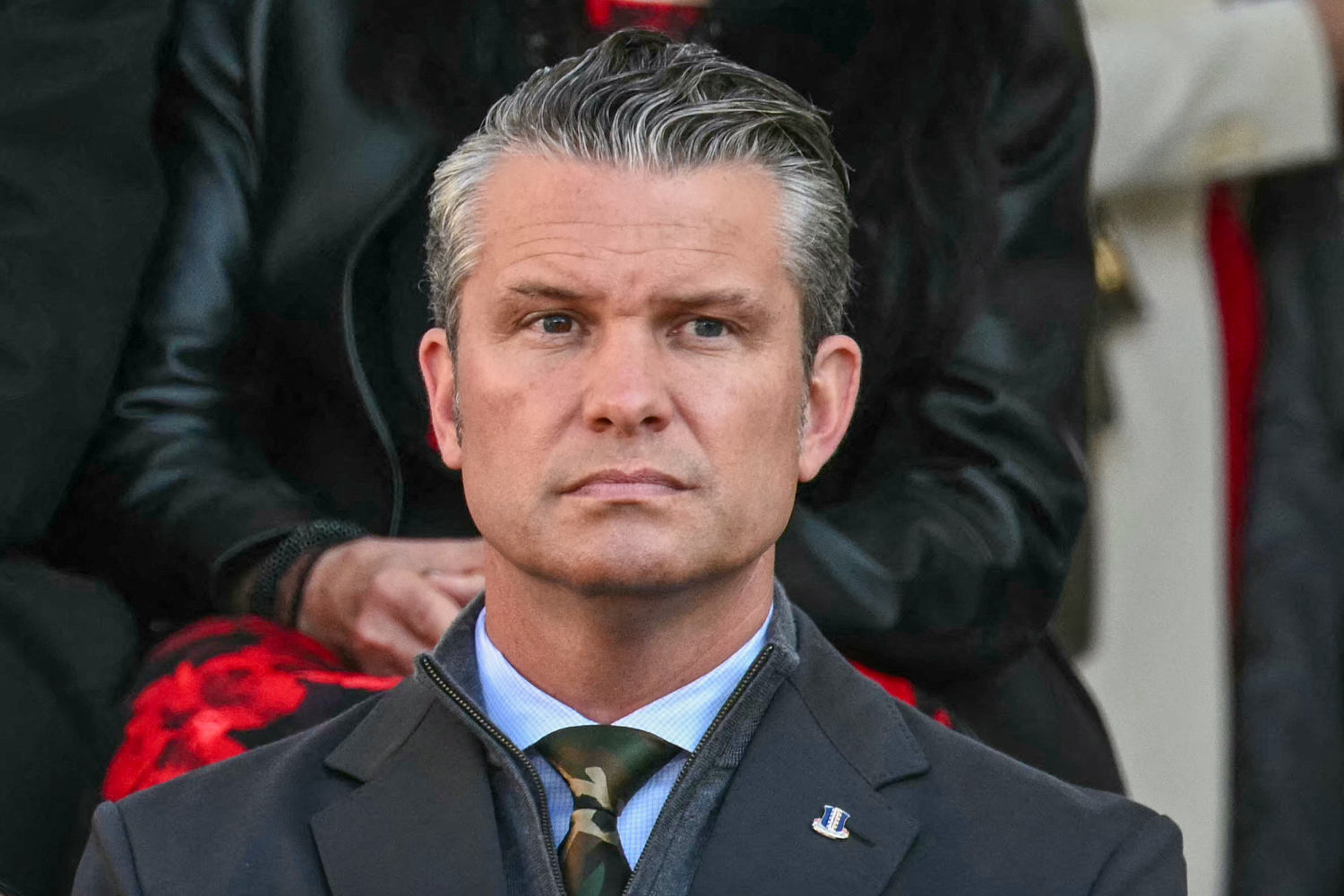
Hegseth's Group Reprimanded at Tomb of Unknown Soldier on Veterans Day
A guard's demand for silence put Defense Secretary Pete Hegseth's group under scrutiny after laughter and noise at the Tomb of the Unknown Soldier on Veterans Day.
28 sources · over 2 days