
Sonia Gandhi Releases Belonging as Memoir Reopens Disputes Over Congress History
Released on November 10, Sonia Gandhi's personal memoir has prompted BJP accusations of whitewashing history, alongside attention to family losses and a dispute over its publication.
By Hushread Stories, from 18 outlets · First published 11 Nov 2026 · Chapter 2 of 2
Earlier: Sonia Gandhi Releases Belonging Memoir Amid Emergency and Publishing Row
In brief
- Sonia Gandhi's memoir, Belonging: A Journey of Love, was released in India on November 10.
- Published by HarperCollins India, the book follows her life in Italy, family relationships and political experiences.
- Gandhi said Penguin was uneasy about government criticism, following an impasse over the book's domestic publication.
- The BJP accused the memoir of whitewashing the Emergency and the 1984 anti Sikh riots.
- Coverage now spans personal revelations, challenges to her historical account and criticism of the book's factual accuracy.
Timeline · 7 moments
Book's presidential reference draws criticism over factual accuracy
India Today ↗BJP accuses memoir of whitewashing Emergency and riots
India Today GK & Current Affairs ↗Belonging released amid controversy over Gandhi family history
Deutsche Welle ↗Akali Dal challenges account of Indira's Bluestar tears
NDTV Top Stories ↗HarperCollins publication ends uncertainty over Indian book release
NDTV Top Stories ↗Emergency remarks bring historical record into memoir debate
India Today ↗Gandhi says Penguin was uneasy about government criticism
The New Indian Express ↗How it started
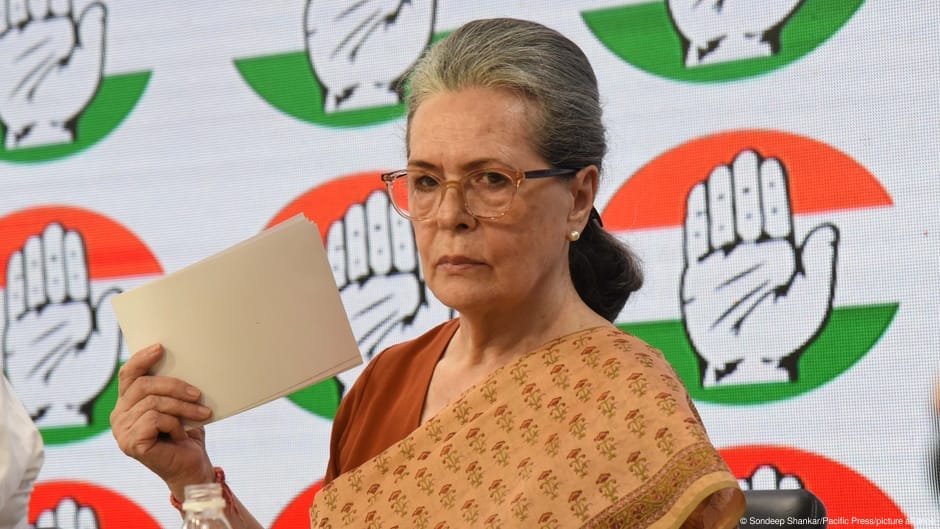
Sonia Gandhi presents Belonging: A Journey of Love as a personal account rather than a political book. Ahead of its release, she explained that distinction in coverage by NDTV, which identified HarperCollins India as its publisher.
The memoir traces a life shaped by marriage, family and bereavement. The Guardian described an account spanning the assassinations of her husband and mother-in-law, alongside India's political changes. The BBC characterised it as a deeply personal defence of her family and its legacy.
How it unfolded
On November 7, the publication dispute became part of the story. According to The New Indian Express, Gandhi said Penguin had been uneasy with criticism of the government. The Times of India reported her dismay over Penguin Random House India's decision to withdraw her memoir, citing disagreements over sensitive subjects involving Prime Minister Narendra Modi. Those reports describe Gandhi's account of the disagreement.
The same day, India Today reported her description of the Emergency as a mistake and her assessment that Sanjay Gandhi added to the damage. That account placed the book's treatment of Congress history at the centre of the emerging debate.
On November 8, NDTV reported that HarperCollins India would release the memoir in India on November 10, ending uncertainty over domestic publication after an impasse between the author's representatives and Penguin.
On November 9, another passage drew objections. NDTV reported Gandhi's recollection of Indira Gandhi's tears over Operation Bluestar. Shiromani Akali Dal spokesperson Arshdeep Singh Kler challenged the expression of anguish, describing the operation as a direct attack on the Sikh community and Sri Akal Takht Sahib.
The book was released on November 10, according to Deutsche Welle. India Today reported BJP accusations that its accounts of the Emergency and the 1984 anti-Sikh riots whitewashed history. Separately, The Indian Express highlighted Gandhi's account of her conflicting feelings about becoming prime minister and her longing for Rajiv Gandhi's presence.
By November 11, scrutiny extended beyond political interpretation. India Today questioned the book's fact-checking, pointing to its reference to "President R.K. Narayan." Meanwhile, The Times of India reported Ravi Shankar Prasad's criticism concerning the Babri demolition, the 1984 riots and Godhra.
Where it stands
The memoir is now available, and The Hindu reported readers snapping up copies on release day. Its personal disclosures are receiving attention alongside the political arguments. Mint, for example, reported Gandhi's account of losing her first child in 1969 and opposing the proposed traditional last rites.
The central disagreement is over how to read the book: Gandhi describes a personal story, while critics challenge its treatment of public history. The BJP's whitewashing accusation remains a political claim, not an established finding. The supplied coverage records those objections but does not resolve the disputed historical accounts.
More in Politics
All →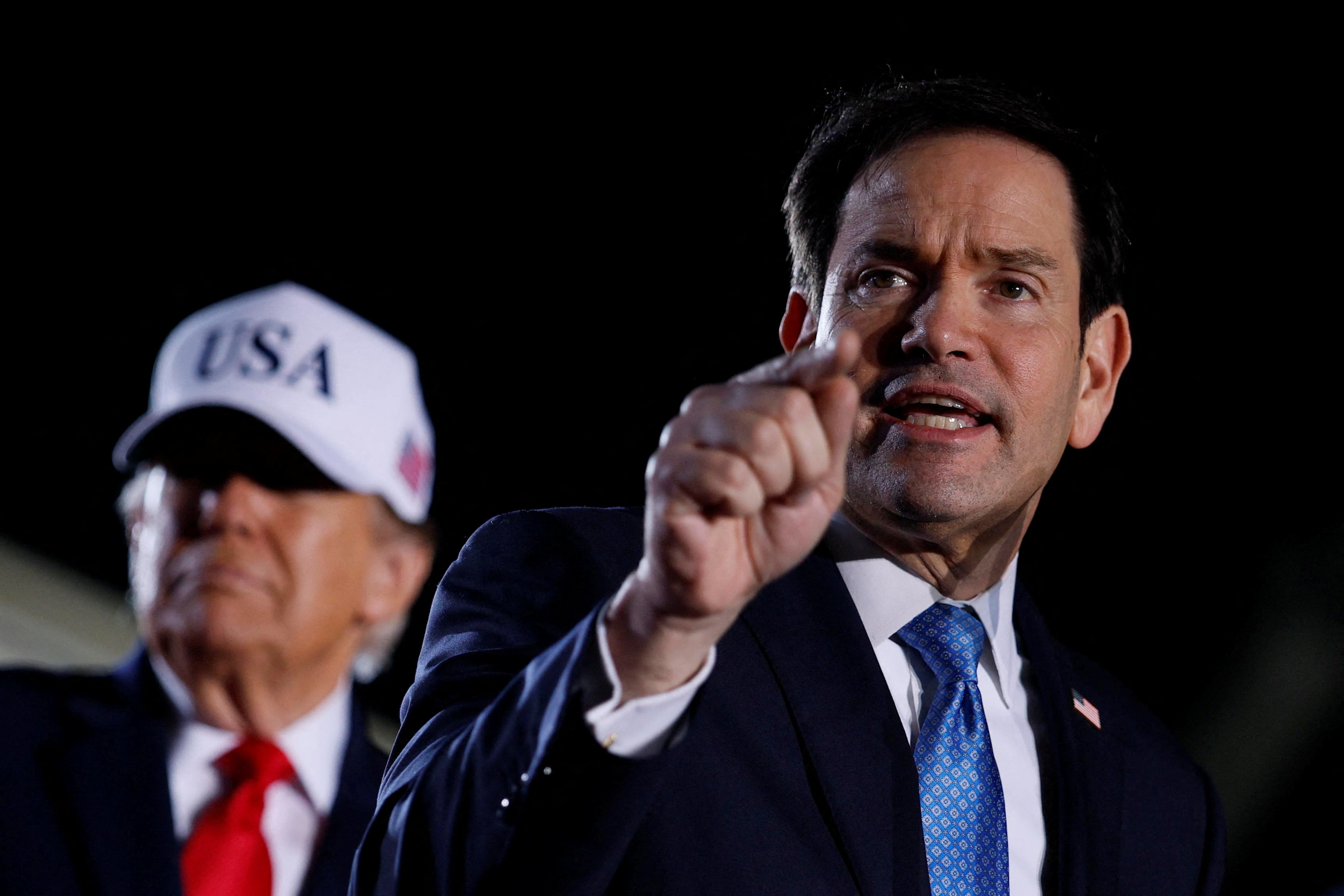
Marco Rubio Rejects Exit Reports as Republican Losses Fuel Succession Debate
Republican midterm losses have intensified speculation about Marco Rubio's future, but the secretary of state and national security adviser says he intends to stay through Trump's term.
25 sources · over 7 days
Kennedy Family Asks Judge to Block Trump Arch Near Arlington Cemetery
Nine Kennedy family members are seeking to halt President Trump's proposed memorial arch, arguing it would disturb family graves and the view from John F. Kennedy's eternal flame.
26 sources · today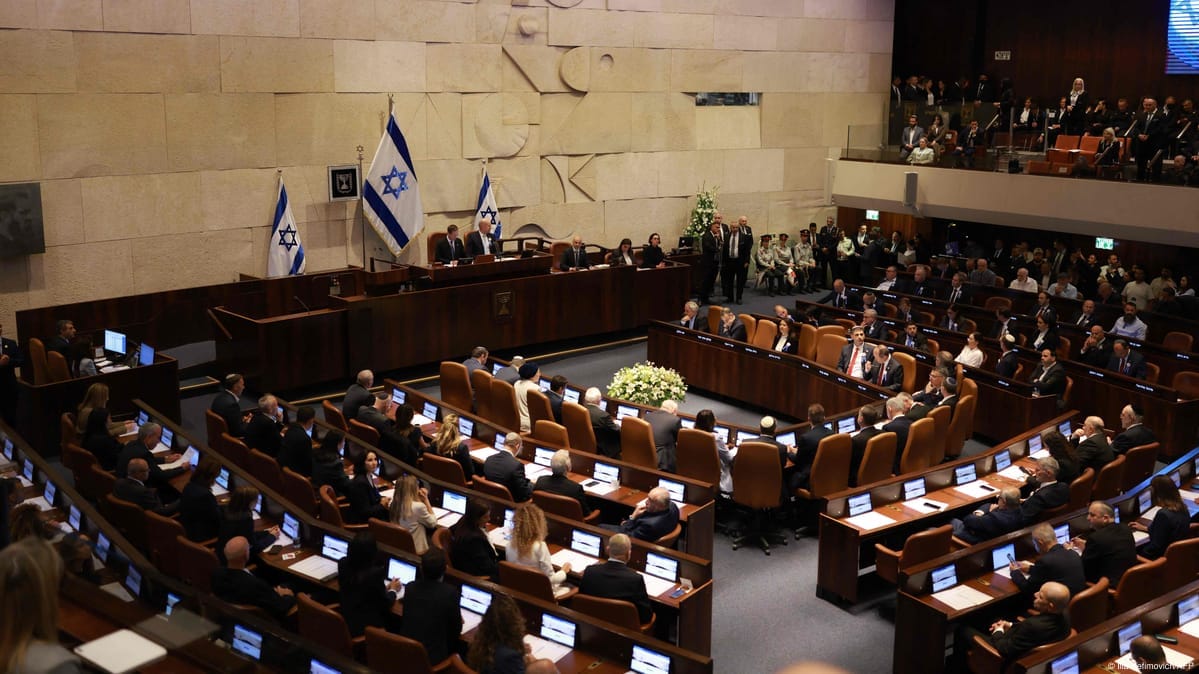
Eisenkot cancels Likud talks as Israel's new parliament challenges Netanyahu
Gadi Eisenkot has the mandate to form Israel's next government, but a rupture in unity talks leaves him seeking a coalition while Netanyahu's opponents assert parliamentary control.
43 sources · over 4 days