
Marco Rubio Rejects Exit Reports as Republican Losses Fuel Succession Debate
Republican midterm losses have intensified speculation about Marco Rubio's future, but the secretary of state and national security adviser says he intends to stay through Trump's term.
By Hushread Stories, from 24 outlets · First published 7 Nov 2026 · Chapter 2 of 2
Earlier: Rubio Rejects Exit Reports After Republican Midterm Defeats Fuel Succession Speculation
In brief
- Reports after Republican midterm losses suggested Marco Rubio could leave the administration ahead of a potential presidential campaign.
- Rubio denied plans to resign and said he intended to remain in the administration through Trump's term.
- The State Department called reports of an impending exit a baseless hoax, while the White House dismissed departure speculation.
- Rubio serves as both secretary of state and national security adviser, putting his future within the broader succession debate.
- Attention now turns to congressional scrutiny and Rubio's management of the State Department as speculation about 2028 continues.
Timeline · 6 moments
Report details Rubio's push for State Department discipline
Arab News ↗Congressional scrutiny emerges as obstacle to Rubio's potential candidacy
Politico ↗White House dismisses reports Rubio and Hegseth could leave
BBC News ↗Rubio says he intends to stay through administration
NYTimes.com Home Page (U.S.) ↗State Department calls Rubio exit reports baseless hoax
The Hill ↗Report puts Rubio on resignation watch after midterms
The Independent ↗How it started
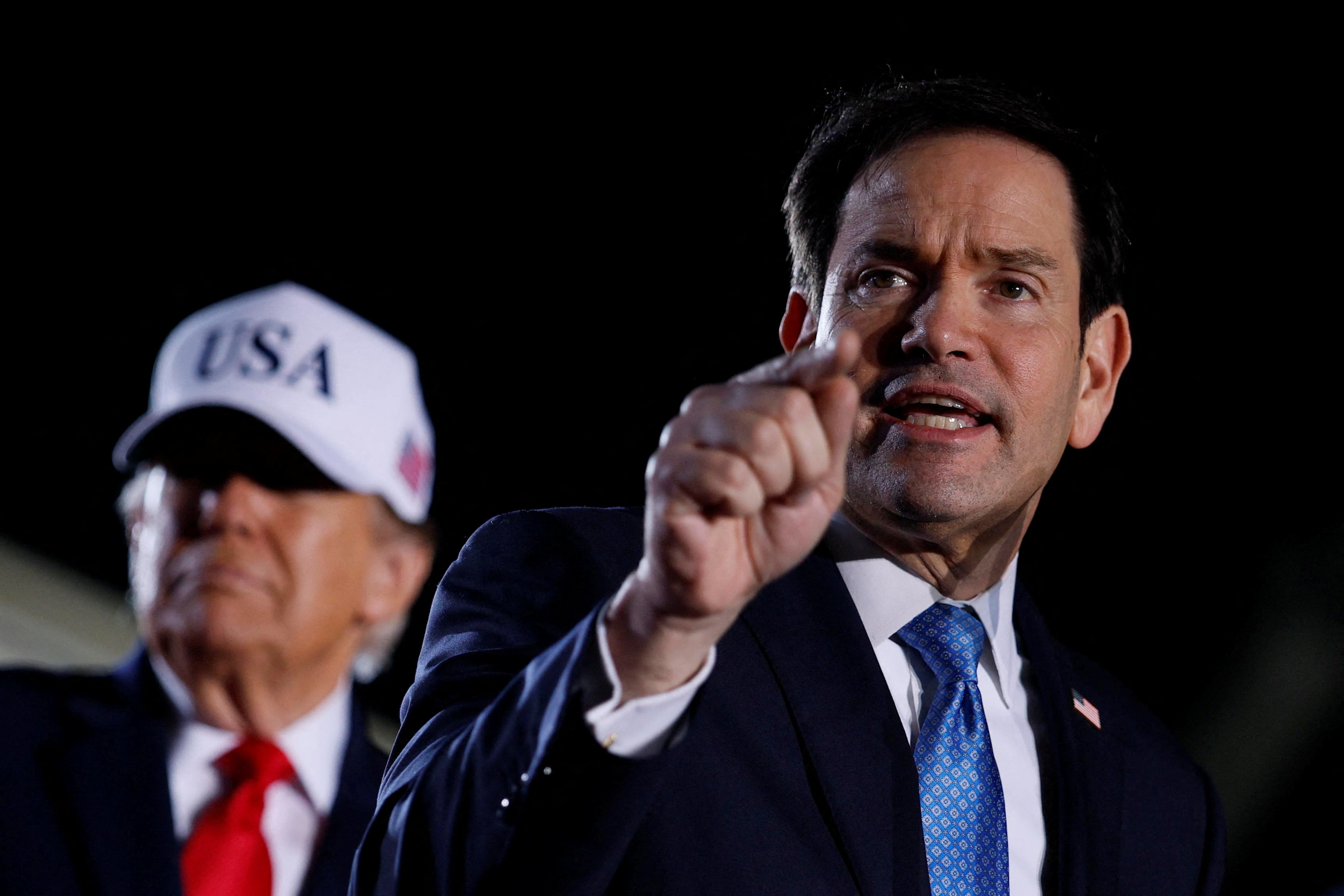
Republican losses in the midterm elections quickly became a test of Marco Rubio's future in President Donald Trump's administration. On November 5, The Independent reported that the secretary of state was on "resignation watch" and was thought to be preparing for a presidential run in 2028.
The report suggested Rubio would want to distance himself from Trump after the election setback. That was a reported assessment of his political calculations, not an announced decision to leave.
How it unfolded
On November 5, Bloomberg also reported that Rubio was weighing departure after the Republican midterm defeat. The reports put a possible administration exit alongside the emerging contest over the party's future leadership.
The official response was forceful. That day, the State Department called reports that Rubio was considering an exit a "baseless hoax," according to The Hill.
Rubio also rejected the departure reports himself. The New York Times reported on November 5 that Trump's secretary of state and national security adviser intended to stay with the administration to the end.
By November 6, the White House was publicly downplaying reports that Rubio and Hegseth could leave after Republican election losses, BBC News reported. The New York Post separately reported that Rubio insisted he would not quit but demurred on the growing speculation about 2028.
Where it stands
The reporting and the public position remain at odds. Some reports described Rubio as weighing an exit; Rubio says he intends to stay. The White House has also dismissed departure speculation, according to BBC News. A potential presidential candidacy remains speculation rather than an announced campaign.
The focus has nevertheless widened beyond resignation rumors. On November 7, Politico reported that newly ascendant Democrats on Capitol Hill could complicate Rubio's potential path to 2028. The same day, Arab News reported that Rubio had moved to tighten control at the State Department, telling senior officials that staff must stay in their lanes.
What to watch
Congressional scrutiny is one concrete pressure to watch. Politico reported that Democrats were not planning to make it easy for Rubio to emerge as the Republican answer for 2028. How that scrutiny develops could matter even if he remains in both administration roles.
The other unresolved question is whether Rubio's rejection of an immediate exit settles only his employment plans, rather than his longer-term political ambitions. The New York Post described a firm denial of departure alongside a less definitive response to the presidential speculation.
More in Politics
All →
New Zealand election count ends with no clear winner
The main parties remain nearly tied, and the official result is not expected until November 27.
26 sources · over 3 days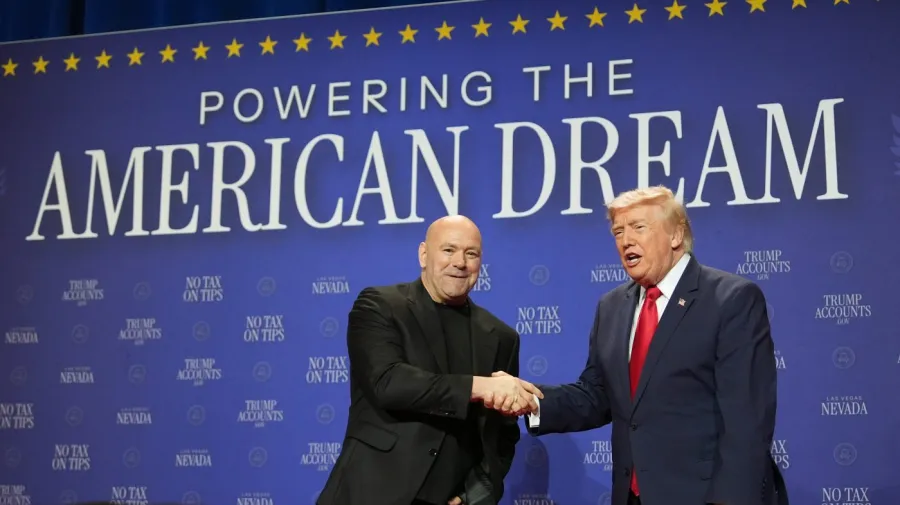
Trump Says He Offered Dana White the White House Press Secretary Job
Trump's public appeal to the UFC chief puts an unconventional candidate in contention for the White House's chief spokesperson role, but the coverage does not establish whether White will accept.
8 sources · today
Nithya Raman Wins Los Angeles Mayoral Election, Defeating Karen Bass
Nithya Raman defeated incumbent Karen Bass, winning 52.70% of ballots counted, according to NDTV.
35 sources · over 5 days