
New Zealand election count ends with no clear winner
The main parties remain nearly tied, and the official result is not expected until November 27.
By Hushread Stories, from 26 outlets · First published 7 Nov 2026
In brief
- New Zealand's November 7 general election count ended without a clear winner between National and Labour.
- With more than 95% of votes counted, the two main parties were separated by fewer than 4,000 votes.
- National was set to be the largest party, but neither major bloc had enough seats to govern alone.
- Official results, including special votes, are expected on November 27, leaving the next government unsettled.
- Prime Minister Christopher Luxon said the election was too close to call and that he had a pathway to form a government.

Timeline · 7 moments
Official results await special votes until November 27
BBC - Home ↗Count ends with main parties nearly deadlocked
Deutsche Welle ↗Governing party moves ahead in early election results
Al Jazeera ↗Polls close at 7pm with early results expected
BBC - Home ↗More than half of voters cast early ballots
Al Jazeera ↗Final polls show right retaining a narrowing lead
The Conversation ↗Major contenders expected to need smaller parties to govern
Al Jazeera ↗Update 7 Nov 2026, 7:41 pm UTC
The early lead has not produced a clear winner. With more than 95% of votes counted, the two main parties were separated by fewer than 4,000 votes, and official results are expected on November 27, Deutsche Welle reported. The Guardian said National was set to be the largest party, but the next government's makeup could remain uncertain for weeks.
How it started
New Zealand entered its November 7 general election with living costs at the centre of the campaign. BBC World identified the rising cost of living as a key voter concern, while Japan Times reported growing discontent over an ailing economy.
The contest was also shaping up as a negotiation between parties, not simply a race to finish first. Al Jazeera reported on November 5 that the major contenders were expected to fall short of the majority needed to govern alone, leaving smaller parties in a potentially decisive position.
How it unfolded
On November 5, leaders made their final appeals with polls showing the election was too close to call, according to Japan Times. The final polling picture gave neither side a secure path to government.
There was still a lead for the right, but it was narrowing. The Conversation reported on November 5 that support was shifting towards the left, with the centrist Opportunity Party remaining a wild card.
On November 6, the Financial Times described Christopher Luxon as trying to hang on while high energy prices and the cost of living weighed on consumers. The New York Times reported that economic concerns dominated and minor parties would most likely determine who governed.
As the final day of voting approached, Al Jazeera reported on November 6 that more than half of voters had already cast early ballots. Deutschlandfunk reported that 3.8 million people were called on to elect a new parliament.
Polls closed at 7pm local time on November 7, the BBC reported. Early counting then put the governing party ahead, according to Al Jazeera, although Deutsche Welle reported that the race remained too close to call.
Where it stands
Voting is over and counting is underway. The governing party's early lead is not a settled result: Deutsche Welle described the contest after polls closed as still too close to call.
The final voting day also operated under strict rules on political reporting. Deutsche Welle reported that those laws are intended to prevent voters from being swayed at the last minute.
What to watch
The next results will show whether the governing party holds its early advantage and which parties could assemble a governing coalition. Al Jazeera had reported that the major contenders were expected to need partners.
Opportunity's result is particularly important. The Conversation identified the centrist party as a potential deciding factor in the final polling, making its performance one of the key unresolved parts of the count.
More in Politics
All →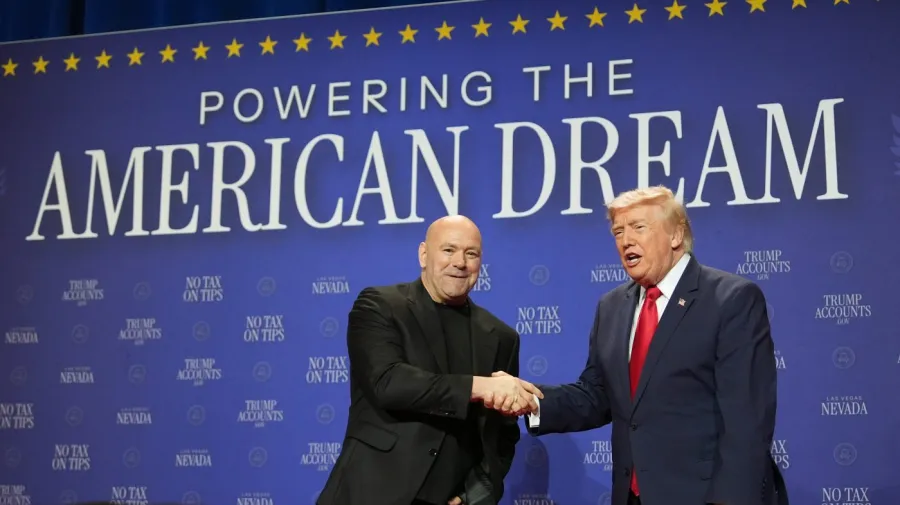
Trump Says He Offered Dana White the White House Press Secretary Job
Trump's public appeal to the UFC chief puts an unconventional candidate in contention for the White House's chief spokesperson role, but the coverage does not establish whether White will accept.
8 sources · today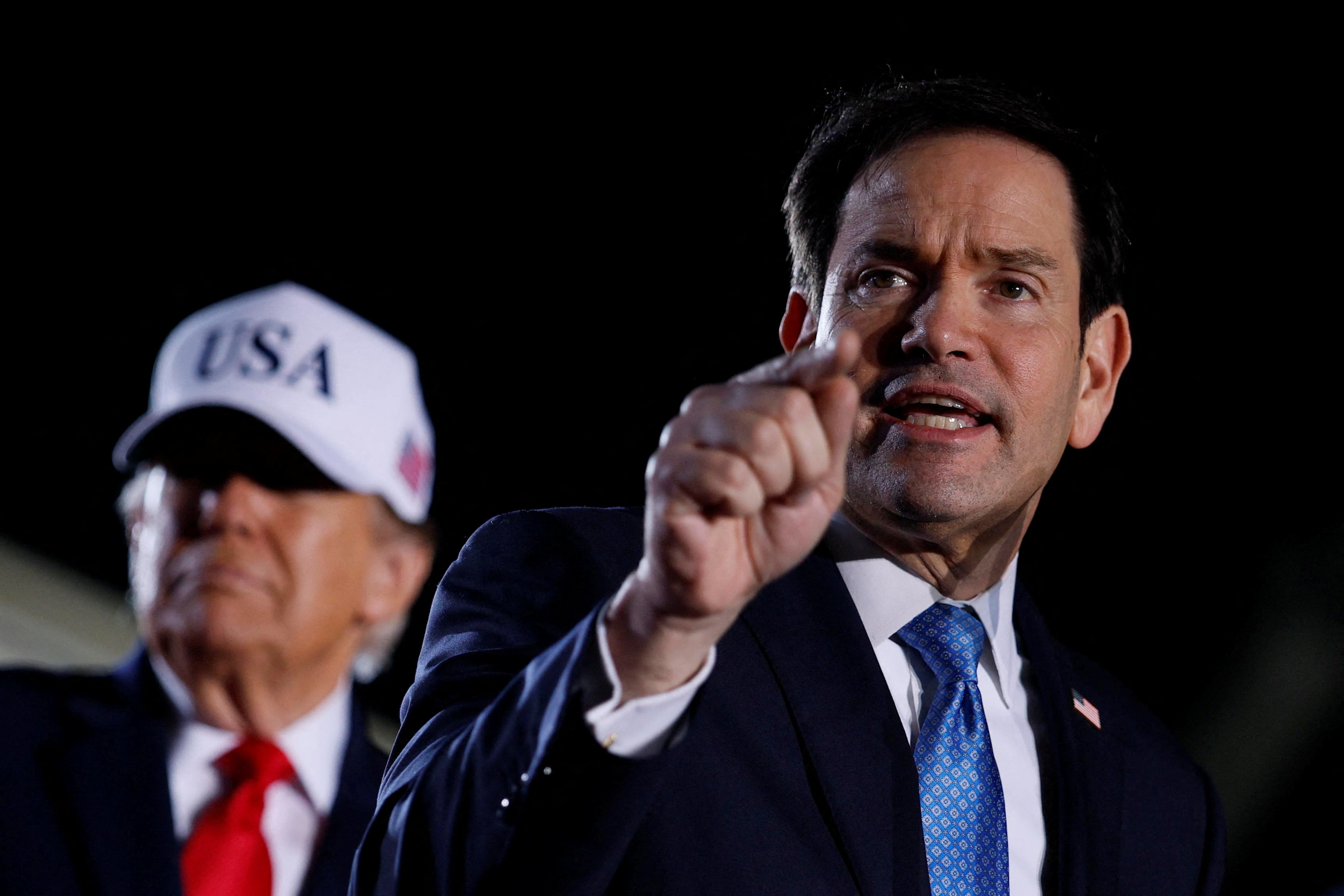
Marco Rubio Rejects Exit Reports as Republican Losses Fuel Succession Debate
Republican midterm losses have intensified speculation about Marco Rubio's future, but the secretary of state and national security adviser says he intends to stay through Trump's term.
24 sources · over 3 days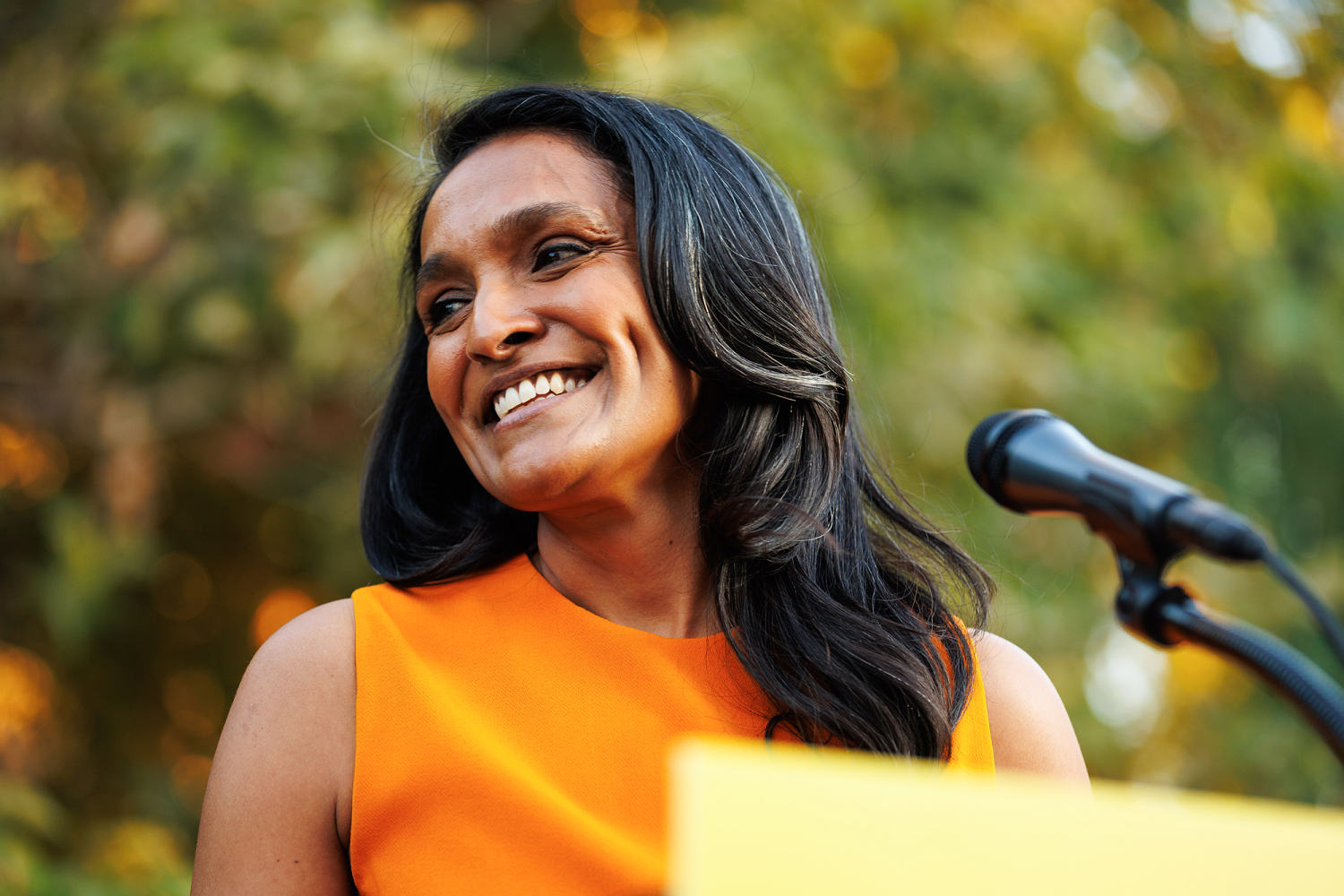
Nithya Raman Wins Los Angeles Mayoral Election, Defeating Karen Bass
Nithya Raman defeated incumbent Karen Bass, winning 52.70% of ballots counted, according to NDTV.
35 sources · over 5 days