
Sonia Gandhi Releases Belonging Memoir Amid Emergency and Publishing Row
Sonia Gandhi's memoir reached readers on November 10, bringing her account of love, loss and political choices into a dispute over the Emergency and criticism of the government.
By Hushread Stories, from 9 outlets · First published 10 Nov 2026
In brief
- Sonia Gandhi's memoir, Belonging: A Journey of Love, was released in India on November 10.
- HarperCollins India published the book after an impasse between Gandhi's representatives and Penguin over its domestic publication.
- Gandhi describes the memoir as personal rather than political, centred on love, loss and belonging to India.
- The book revisits her decision against becoming prime minister in 2004 and her choice of Manmohan Singh.
- The BJP accused Gandhi of trying to justify the 1975 Emergency, which she called a mistake.

Timeline · 6 moments
BJP accuses Gandhi of whitewashing the Emergency
The Hindu ↗Memoir released with account of choosing Manmohan Singh
Times now ↗Gandhi describes memoir as personal rather than political
NDTV Top Stories ↗Gandhi calls Emergency a mistake and criticises Sanjay
India Today ↗Gandhi says Penguin was uneasy with government criticism
The New Indian Express ↗Gandhi discusses personal life and criticises BJP before launch
Opinions | The Hindu ↗How it started
Sonia Gandhi presents Belonging: A Journey of Love as a personal account, not a political book. Ahead of its November 10 release, NDTV Top Stories reported that HarperCollins India would publish the memoir, ending uncertainty over its domestic publication after an impasse between her representatives and Penguin.
The personal material includes her early experiences with Indian food and life with the Nehru-Gandhi family. Mint reported on November 7 that HarperCollins India had shared excerpts tracing those experiences. But the launch also brought scrutiny of her account of the Emergency and her criticism of the government.
How it unfolded
On November 6, an interview with The Hindu set out both the personal and political sides of Gandhi's account. She accused the BJP of doing great damage to India's fabric, placing criticism of the ruling party alongside discussion of her life.
On November 7, The New Indian Express reported Gandhi's claim that Penguin had been uneasy with criticism of the government in the manuscript. That is her explanation of the publishing dispute; the supplied coverage does not include Penguin's response.
The same day, India Today reported that Gandhi called the Emergency a mistake and said Sanjay added to the damage. Those remarks became a central point of contention around the book.
By November 8, Gandhi was stressing the distinction between her purpose and the political reaction. NDTV Top Stories reported her explanation that this was not a political book, while confirming its scheduled release through HarperCollins India.
On November 10, coverage turned to her decision not to become prime minister in 2004. Indian Express highlighted her account of conflicting feelings about rejecting the role and answering a sense of duty. NDTV India reported that Rahul Gandhi and Priyanka Gandhi felt she should not take the post.
Where it stands
The memoir was released on November 10, according to Times now, with Gandhi's explanation of choosing Manmohan Singh among its political disclosures. India News also reported her account of a clear division of responsibilities during the UPA years: Singh handled government while she focused on the party.
The release has not settled the argument over her treatment of history. The Hindu reported that the BJP accused Gandhi of trying to justify the Emergency and said the memoir should have been named "Whitewashing". Gandhi's description of the book as personal now sits alongside a public dispute over its political judgments.
More in Politics
All →
Teddy Riner announces candidacy for France's 2027 presidential election
The Olympic judo champion has entered the presidential race, saying he wants to unite the French while continuing his sporting career, with policy and campaign details still unclear.
20 sources · today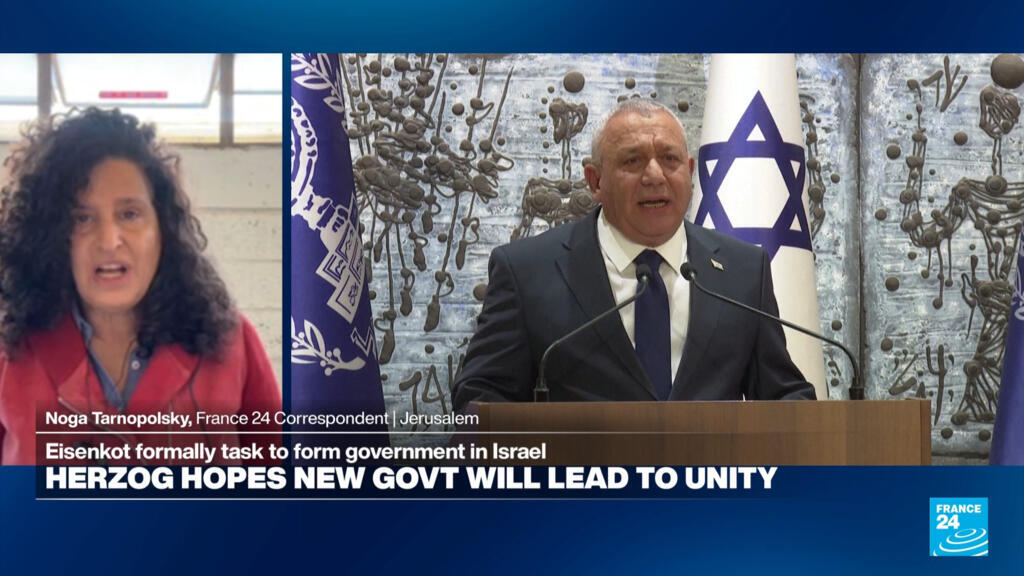
Gadi Eisenkot Gets Six Weeks to Build Israel's Next Government
Gadi Eisenkot has a mandate to form a coalition, but a seat shortfall and disputes over military conscription leave Benjamin Netanyahu with room to influence the outcome.
24 sources · over 2 days
Hegseth Defies Impeachment Threat as Trump Backs Him After Midterm Losses
A Republican lawmaker plans to force an impeachment vote as soon as next week, testing support for Defense Secretary Pete Hegseth after election losses blamed on the Iran war.
77 sources · over 6 days