
Iran and Mecca Pact States Agree to Continue Regional Security Talks
Saudi, Pakistani and Turkish officials met Iranian leaders in Tehran to prevent renewed fighting, but their agreement to keep talking has not yet produced a broader security settlement.
By Hushread Stories, from 36 outlets · First published 28 Oct 2026 · Chapter 2 of 2
Earlier: Mecca Pact Officials Meet Iranian Leaders in Tehran, Agree to Continue Talks
In brief
- Saudi Arabia, Pakistan and Turkey sent senior delegations to Tehran on Monday for regional security talks.
- The meeting aimed to prevent renewed fighting involving Iran, Israel and the United States amid heightened tensions.
- The four countries agreed to continue dialogue, but the meeting ended without any major announcement.
- Iranian security chief Mohsen Rezaei said regional countries should provide security themselves and prevent foreign intervention.
- President Masoud Pezeshkian also visited Moscow for a gas summit and held talks with Russian President Vladimir Putin.
Timeline · 7 moments
Pezeshkian describes Russia visit as constructive and fruitful
Mehr News (English) ↗Tehran summit exposes divisions among Iranian commentators
Iran International (English) ↗Iranian and Russian presidents meet in Moscow
Mehr News (English) ↗Pezeshkian warns sanctions threaten energy market stability
ISNA (English) ↗Pezeshkian leaves Tehran for Moscow gas exporters summit
ISNA (English) ↗Four countries agree to continue regional security dialogue
Middle East Eye ↗Saudi defense minister leads delegation to Tehran security talks
Arab News ↗How it started
The Tehran meeting brought Iran together with Saudi Arabia, Pakistan and Turkey in an effort to prevent renewed fighting involving Iran, Israel and the United States. Regional officials described that aim to The Independent, as high-level delegations gathered on October 26.
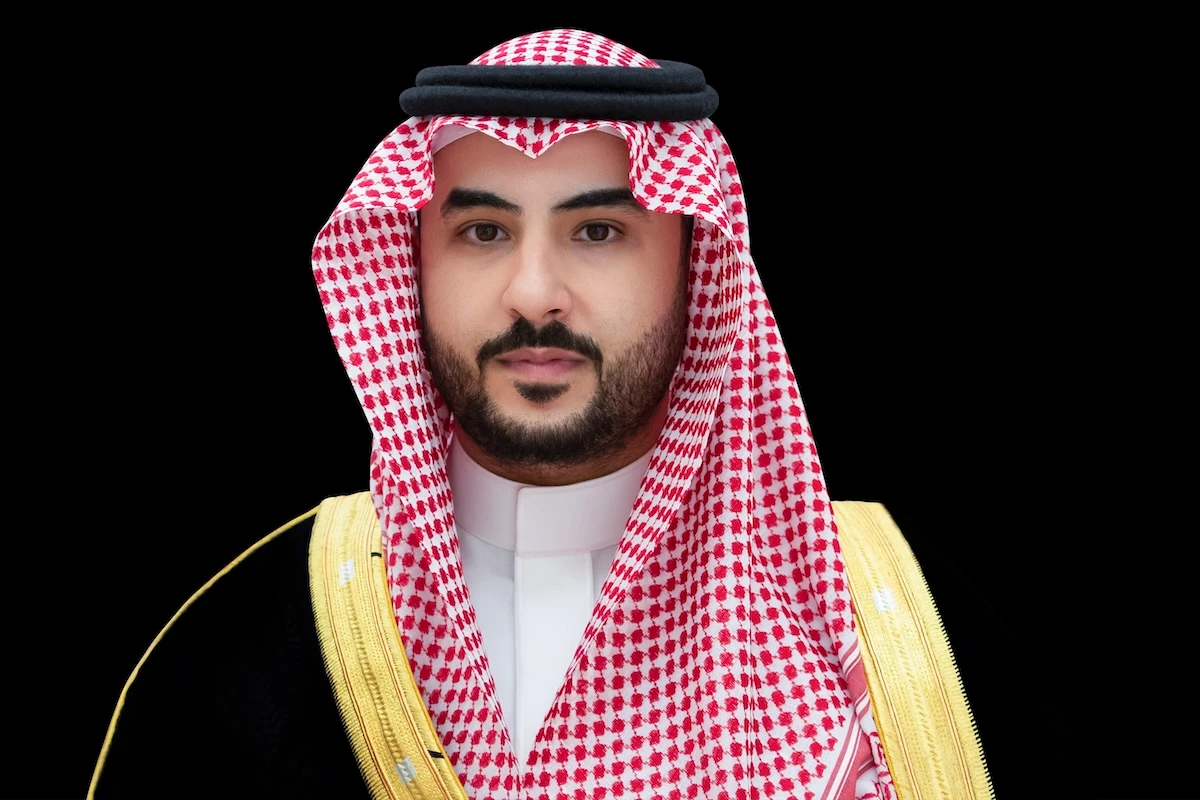
The three visiting countries belong to the Makkah Joint Defense Agreement. Saudi Defense Minister Prince Khalid bin Salman led the kingdom's delegation, according to Arab News. Euronews reported that the countries were pursuing diplomacy while also strengthening military readiness under their defence pact.
How it unfolded
On October 26, senior officials from the three pact countries met Iranian counterparts in Tehran. Times of Israel - Iran described the gathering as their first high-level contact since the regional conflict spilled over into Saudi Arabia and Yemen.
The meeting concluded that day with a joint commitment to continue dialogue and strengthen cooperation, according to Middle East Eye. News18 reported that there was no major announcement, citing Iranian state media.
Iran's security chief Mohsen Rezaei offered a positive assessment. According to World News CNA, he said regional security "should be achieved by the countries themselves, and that we must prevent any kind of foreign intervention."
A parallel diplomatic effort focused on energy. Iranian President Masoud Pezeshkian left for Moscow on October 26 to attend the eighth Gas Exporting Countries Forum summit, ISNA reported. Iranian Foreign Minister Abbas Araghchi called for closer cooperation with Russia to diversify energy supply routes and strengthen global gas market stability, according to Tehran Times.
On October 27, Pezeshkian addressed the summit, saying unilateral sanctions and what he called US economic terrorism threatened energy market stability, ISNA reported. He also met Russian President Vladimir Putin in Moscow, according to Mehr News.
Where it stands
The concrete outcome in Tehran remains an agreement to keep talking, rather than a new regional security framework. The joint statement reported by Mehr News confirmed that discussions on peace and security would continue.
The initiative has also exposed disagreements within Iran. Iran International reported on October 27 that some Iranian commentators viewed the gathering as recognition of Iran's influence, while others questioned the visitors' intentions. A day earlier, the outlet reported that a hardline newspaper editor warned diplomacy could weaken Tehran's leverage, according to Iran International.
By October 28, Pezeshkian was describing his two-day Russia trip as constructive and fruitful, citing understandings at the gas summit and meetings in Moscow, Mehr News reported. That was his assessment of the visit, not an announced settlement of the regional security dispute.
What to watch
The next test is whether the commitment to continued dialogue produces another meeting or specific security arrangements. The outcome reported by Middle East Eye establishes a diplomatic channel, but does not set out a completed regional settlement.
Iran's position toward Washington remains another unresolved issue. News18 reported on October 27 that Tehran insisted the United States meet its demands before further movement on a nuclear deal, even as the visiting delegations sought to prevent renewed military escalation.
More in Politics
All →
Courts Resist Trump Administration Push to Separate California Ballots Over Citizenship
The Justice Department has expanded its ballot demands to Washington state while courts question its California case, with the midterm elections less than two weeks away.
19 sources · over 6 days
Rahul Gandhi Alleges Tata Group Is Being Destroyed Amid Leadership Dispute
Rahul Gandhi has turned a dispute over Tata Sons' leadership into a political confrontation, targeting Modi and Shah and challenging business leaders to speak out.
8 sources · today
UK Budget 2026: Healey Targets Gas Bills Before Tax Announcements
Chancellor John Healey has announced an end to gas standing charges ahead of his first budget, as the government faces pressure to ease living costs without unsettling bond markets.
8 sources · over 2 days