
Courts Resist Trump Administration Push to Separate California Ballots Over Citizenship
The Justice Department has expanded its ballot demands to Washington state while courts question its California case, with the midterm elections less than two weeks away.
By Hushread Stories, from 19 outlets · First published 28 Oct 2026 · Chapter 2 of 2
Earlier: Appeals Court Rejects Trump Administration Bid to Separate California Ballots
In brief
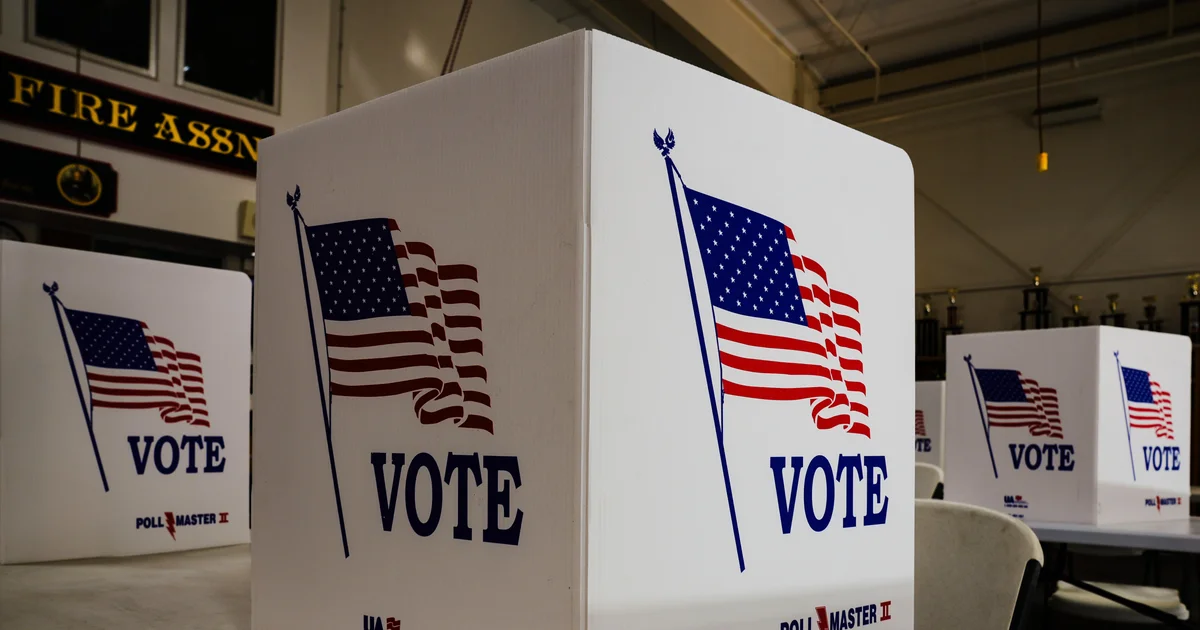
- The Justice Department sued California to separate roughly 20,000 mail ballots linked to people it suspects are noncitizens.
- Federal prosecutors also pressed California county election officials to identify suspected noncitizens and set aside their ballots.
- An appeals court rejected the emergency request on jurisdictional grounds, leaving the underlying citizenship allegations unresolved.
- The administration expanded its effort to Washington state, seeking to hold ballots from more than 400 people.
- A federal judge deferred a ruling Tuesday, saying the government already had a remedy available after the election.
Timeline · 6 moments
Judge defers ruling and points to postelection remedy
NYT Politics ↗Washington ballot demand expands administration's effort beyond California
The Independent ↗Appeals court rejects emergency request on jurisdictional grounds
The Hill ↗Appeals panel expresses doubts about immediate ballot separation
New York Times ↗Federal prosecutors demand counties identify and separate disputed ballots
CBS Top Stories ↗Justice Department seeks appeals court intervention over California ballots
NYT Politics ↗How it started
The Justice Department sued California over more than 20,000 people it suspects are noncitizens on the voter rolls, seeking verification before related ballots are counted. California disputes the accuracy of the federal list, according to Mint.
The distinction matters: the administration's list identifies people it suspects are ineligible, not 20,000 established cases of noncitizen voting. The initial court request sought to prevent California from counting as many as 20,000 mail ballots that the department claimed had been sent to noncitizens, NYT Politics reported.
How it unfolded
On October 23, coverage described the Justice Department's request for appeals court intervention to advance its California lawsuit. It wanted an immediate restriction on counting the disputed mail ballots, according to The Hill.
On October 24, the pressure extended directly to county election officials. Federal prosecutors demanded that registrars set aside and verify ballots that might belong to noncitizens, CBS Top Stories reported. Letters warned officials that failure to cooperate risked "significant federal scrutiny," according to The New York Times.
At an October 25 hearing, appellate judges questioned the request. The panel raised concerns about its timing, constitutionality and the Justice Department's authority to demand that ballots be separated, The Independent reported.
On October 26, a panel of the 9th Circuit rejected the emergency request in a 2-1 decision. The panel found it lacked jurisdiction, according to The Hill. The suit returned to a district court for a Tuesday hearing, ABC News reported.
The effort also spread to Washington state. In a request made Monday and reported October 27, the administration asked officials to set aside any ballots received from more than 400 people it alleged had registered without US citizenship, according to The Independent.
Where it stands
The appeals court's decision denied the administration the immediate order it wanted. It did not settle whether the people on the federal list were noncitizens: the ruling turned on jurisdiction, according to The Hill.
At Tuesday's district court hearing, a federal judge deferred a ruling and said the government already had a remedy it could use after the election, NYT Politics reported on October 28. That leaves the California dispute unresolved without the emergency separation order the department sought.
In Washington, federal prosecutors said they sent the secretary of state a list of about 400 people they claimed were not US citizens, according to CBS Top Stories. The supplied coverage reports the demand, not a court order requiring Washington to comply.
What to watch
The next unresolved step is the district court's ruling in California. The judge's comments put a specific issue at the center of the case: whether the government needs intervention before the election when a remedy is available afterward, as NYT Politics reported.
Also pending is how Washington officials respond to the federal request. The demand concerns ballots from more than 400 people, but the allegations of ineligibility remain the administration's claims, according to The Independent.
More in Politics
All →
Supreme Court Seeks Government Response to Publishers' Challenge Against Privacy Law
The Supreme Court has sought the government's response to a challenge by 21 news publishers, but declined to stay a law they say threatens reporting and confidential sources.
14 sources · over 2 days
Finnish and Norwegian Leaders Call Putin to Seek Ukraine Peace Talks
The Nordic leaders' appeal for renewed peace talks comes as Brussels prepares contacts with Russia, bringing direct European diplomacy over Ukraine into focus.
28 sources · today
Israel Votes as Netanyahu Faces Eisenkot and Uncertain Path to Power
Israel's first parliamentary election since the October 7 attack puts Netanyahu's future at stake, with polls pointing to no majority and Iran dominating the campaign's final days.
70 sources · over 2 days