
Supreme Court Seeks Government Response to Publishers' Challenge Against Privacy Law
The Supreme Court has sought the government's response to a challenge by 21 news publishers, but declined to stay a law they say threatens reporting and confidential sources.
By Hushread Stories, from 13 outlets · First published 27 Oct 2026
In brief
- A coalition of 21 news publishers has challenged India's Digital Personal Data Protection Act in the Supreme Court.
- The publishers argue that data protection requirements could endanger confidential sources and impede investigative journalism.
- The lawsuit was filed on October 6 and came before the Supreme Court on October 27.
- The court sought the government's response to the challenge but declined to stay the privacy law.
- A detailed hearing is scheduled for November 17, while key provisions are due to take effect next year.

Timeline · 4 moments
Detailed hearing scheduled for November 17 by court
The Hindu ↗Court declines to stay the challenged privacy law
Times now ↗Supreme Court seeks government response to publishers' plea
Times of India India ↗Publishers file Supreme Court challenge to privacy law
The Hindu - Technology ↗Update 27 Oct 2026, 6:09 pm UTC
The Supreme Court's October 27 action remains unchanged: it sought the government's response and did not stay the law. New coverage adds detail on publishers' concerns that the law could hamper investigative journalism, endanger sources and create risks for newsrooms, while the challenge remains pending.
How it started
A coalition of 21 news publishers has taken India's Digital Personal Data Protection Act, known as the DPDP Act, to the Supreme Court. Their challenge centres on how rules governing personal data could affect reporting, confidential sources and the public interest, according to Business Line.
The Digital News Publishers Association argues that the law threatens journalistic activity and freedom of speech. Inc42 reported that publishers fear journalists could be required to seek consent from the subjects of investigations.
How it unfolded
The lawsuit was filed on October 6. Reporting on October 26, The Hindu described it as the most high-profile challenge to the government's privacy law and said it was due to be heard the following day.
Coverage on October 26 brought the publishers' objections into public view. Business Standard reported their concern that the law could affect investigations, while Business Line highlighted risks to journalists' sources.
On October 27, the Supreme Court issued notice to the Ministry of Electronics and Information Technology on the association's plea. It declined to stay the law, according to Times now.
The court listed the case for a detailed hearing on November 17, The Hindu reported. That leaves the challenge pending rather than resolved.
Where it stands
The government has been asked to respond, and the court has not paused the law. The October 27 proceedings did not settle the publishers' objections, according to the procedural developments reported by Times now and The Hindu.
The dispute concerns requirements that publishers say could interfere with gathering and publishing news. Business Line reported that key provisions at issue come into force next year. The claimed threats to reporting remain the publishers' arguments, not findings by the court.
What to watch
The next scheduled step is the detailed hearing on November 17, according to The Hindu. The government's response and the court's examination of the challenged provisions will be central to what happens next.
The practical question is how personal data protection requirements will apply to journalism, particularly investigations and confidential sources. Those are the risks identified in the publishers' challenge, as reported by Business Line.
More in Politics
All →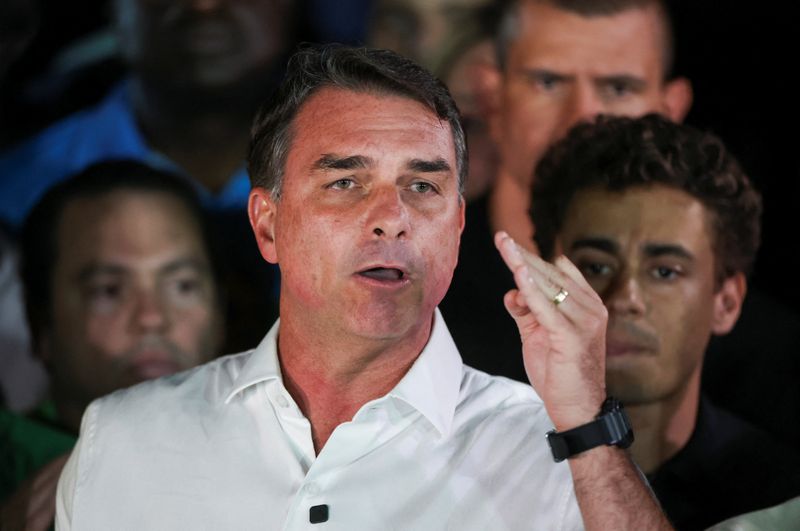
Flávio Bolsonaro Misses Passport Deadline as Reports Place Him Abroad
Brazilian authorities are questioning Flávio Bolsonaro's whereabouts after he failed to surrender his passports, while reports say the defeated presidential candidate has left for the United States.
10 sources · today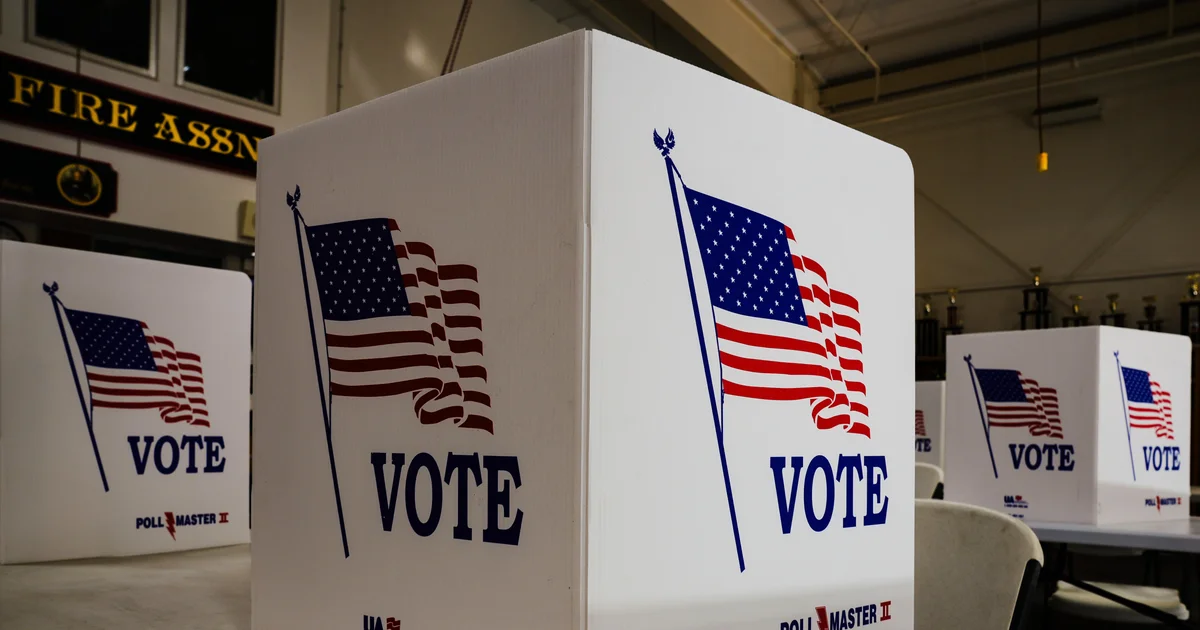
Appeals Court Rejects Trump Administration Bid to Separate California Ballots
The ruling leaves the administration without an emergency order to separate 20,000 disputed ballots, while its lawsuit returns to district court and similar demands reach Washington state.
19 sources · over 5 days
Burnham opens EU free movement debate and leaves referendum option open
Ahead of November's UK-EU summit, the prime minister's call to reconsider free movement has exposed Labour tensions and raised questions about a future public vote.
17 sources · over 3 days