
Iran claims US drone seizures as tanker attacks continue in Hormuz
Iran's claims of captured US underwater drones have widened into a dispute over control of Hormuz, where tanker attacks continue despite a recovery in crude shipments.
By Hushread Stories, written with AI from 25 outlets · First published 5 Oct 2026
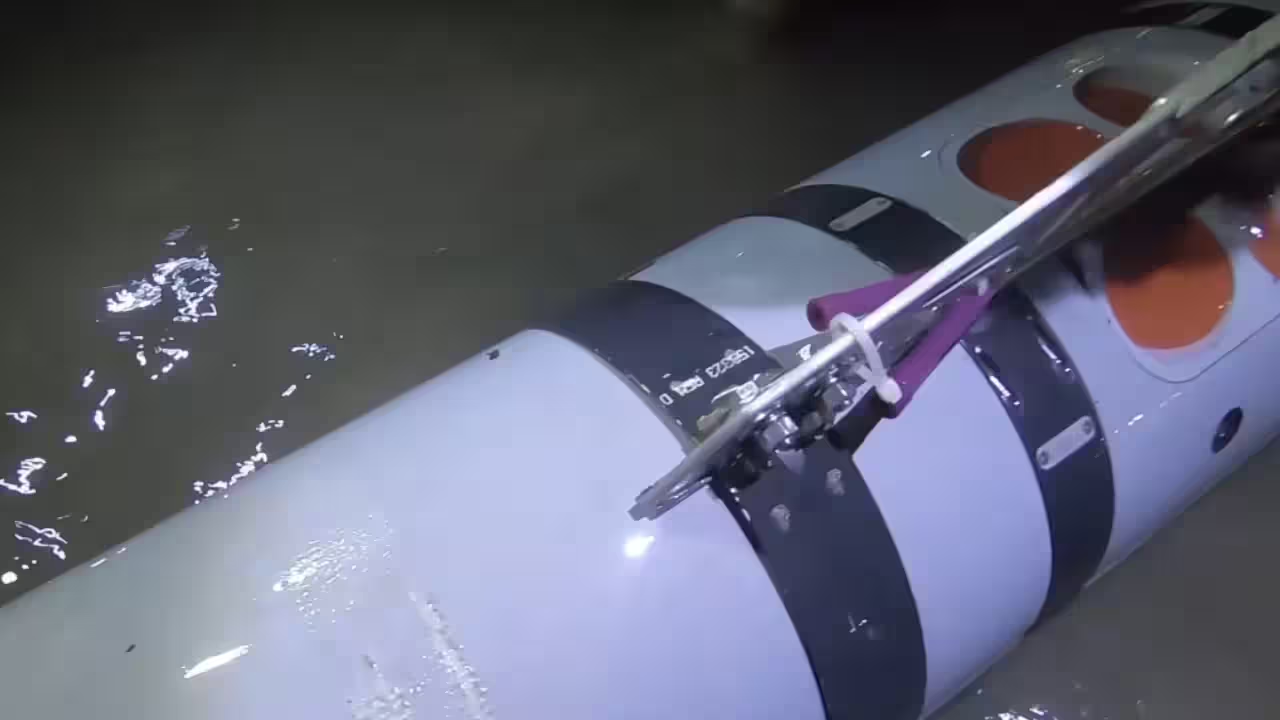
Earlier: Iran's IRGC Seizes Two US Underwater Drones in the Strait of Hormuz
In brief
- Iran's IRGC claims it seized two US underwater drones in the Strait of Hormuz, identifying the second as Kingfish.
- US Central Command rejects Iran's claim of complete control over the strait, leaving competing military accounts unresolved.
- Maritime agencies have reported repeated projectile strikes on tankers, including engine room damage in an October 4 incident.
- Crude exports have recovered toward prewar levels, but refined fuel shipments remain constrained and tankers face continuing threats.
- Iran's Parliament Speaker says the strait will remain closed until seven conditions in the Islamabad memorandum are fulfilled.
Timeline · 10 moments
Another tanker strike damages engine room in Hormuz
Middle East Eye ↗Iran ties reopening of strait to seven conditions
IRNA English ↗Iraq reports moving two million barrels through Hormuz
Arab News ↗Outbound tanker strike causes small fire and blackout
Arab News ↗Projectile strike causes fire aboard tanker in Hormuz
Arab News ↗Crude exports reach prewar levels while fuel remains constrained
CNBC ↗IRGC says it regularly attacks and blocks small vessels
Middle East Eye ↗IRGC spokesperson claims US warships retreated 500 kilometres
تسنیم ↗US Central Command rejects Iran's complete control claim
Middle East Eye ↗IRGC claims seizure of second US underwater drone
Times of India ↗How it started
The dispute began with Iranian claims that the Islamic Revolutionary Guard Corps had captured US underwater drones in the Strait of Hormuz. On September 27, Times of India reported the claimed seizure of a second drone, identified as an Mk 18 Mod 2 Kingfish.
The supplied coverage does not independently establish the seizures. It also differs on the equipment involved: Tehran Times described the second captured craft as an uncrewed surface vessel in a September 28 analysis, while other reports called it an underwater drone.
How it unfolded
On September 28, Brigadier General Hossein Mohebbi, spokesperson for the Islamic Revolution Guards Corps, said the strait was not open and had become a hunting ground for US underwater vehicles, according to IRNA English. That day, Middle East Eye reported that US Central Command rejected Iran's claim of complete control over the waterway.
On September 29, NDTV News reported that an unknown projectile had struck a ship the previous evening, causing a fire. The United Kingdom Maritime Trade Operations Centre said the crew were safe. Separately, تسنیم carried an IRGC spokesperson's claim that US warships had retreated 500 kilometres from Hormuz; the supplied coverage offers no independent confirmation of that claim.
On September 30, Middle East Eye reported that the IRGC said its forces regularly attacked small vessels and blocked their passage. Commercial traffic nevertheless continued: CNBC reported that crude exports through Hormuz had reached prewar levels, while fuel shipments remained constrained.
Further tanker attacks followed. On October 1, Arab News reported that a tanker had been hit by an unknown projectile, causing a fire. On October 2, Arab News reported another strike that caused a small fire and a blackout aboard an outbound tanker.
On October 3, Mint reported the maritime agency's account that two oil tankers had been struck by unidentified projectiles on Friday. These reports should not be added together as a definitive attack count, because the supplied summaries do not establish which accounts describe separate incidents.
On October 4, Middle East Eye reported another tanker strike, this time damaging its engine room. The same day, IRNA English reported that Parliament Speaker Mohammad Bagher Ghalibaf said Iran would not reopen the strait until seven conditions in the Islamabad memorandum were fulfilled.
Where it stands
Iran's declaration that the strait remains closed sits alongside evidence of substantial oil movements. On October 3, Arab News reported that Iraq's Oil Tankers Company had transported two million barrels of crude through Hormuz. The Guardian reported on October 1 that crude exports had largely returned to prewar levels, although refined products such as diesel remained constrained.
That recovery does not mean passage is safe. New York Times reported on October 2, citing a Western security official, that Iran was launching drones and missiles at commercial ships each week, though often missing its targets. The drone seizures remain Iranian claims, while the reported tanker damage shows the continuing danger to shipping.
What to watch
The immediate issues are whether tanker attacks continue and whether recovered crude flows can be sustained. CNBC reported that the recovery depended on US military protection for tankers in the Persian Gulf.
Iran's stated reopening conditions are another unresolved issue. IRNA English reported the demand for fulfilment of seven conditions, but the supplied coverage does not spell them out or establish progress toward meeting them.
More in World
All →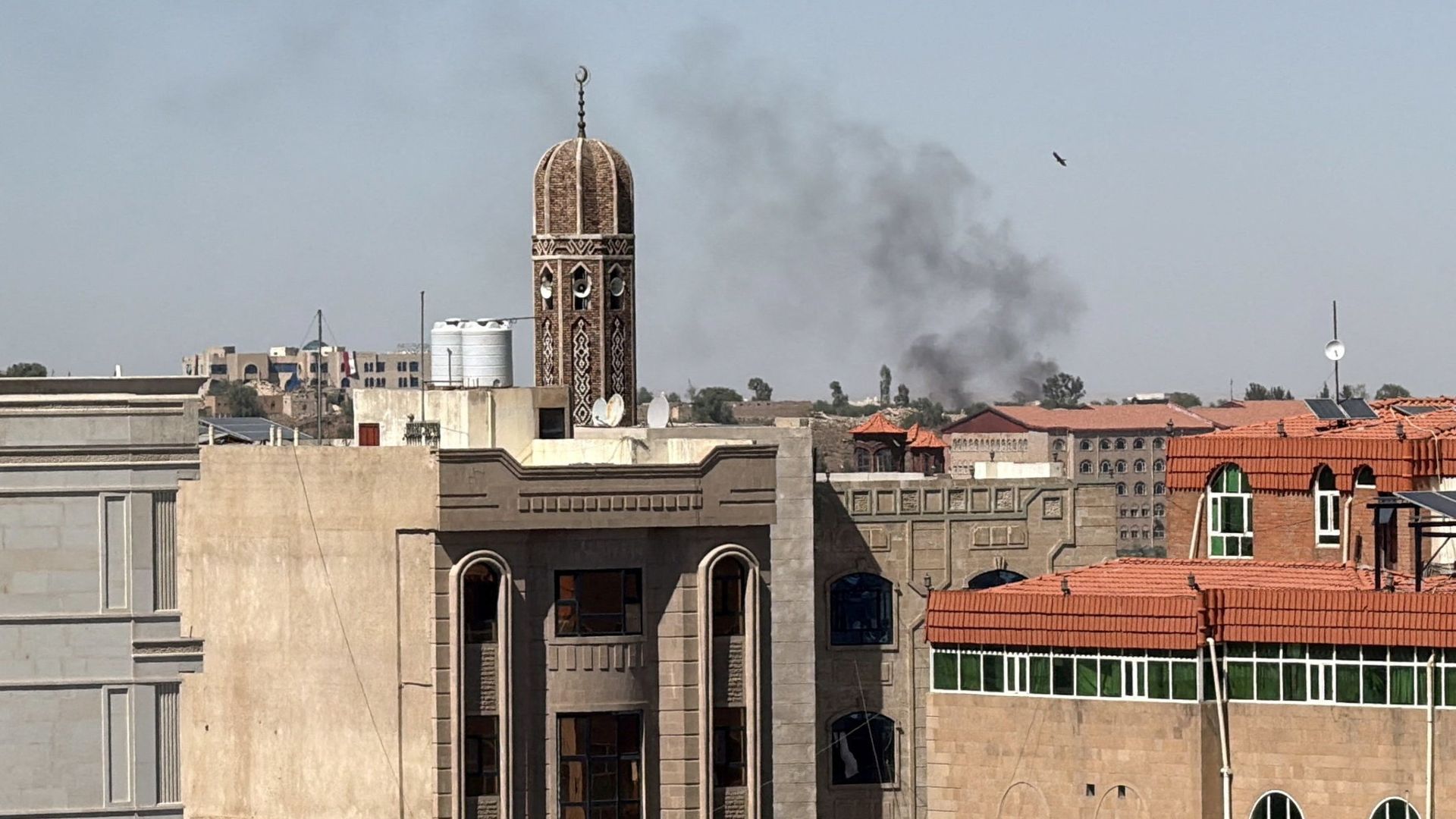
Saudi-backed Yemeni forces launch offensive, claiming control of strategic strait
Yemen's government is trying to retake all Houthi-held territory with Saudi coalition support, but its claimed gains at a crucial Red Sea waterway remain disputed.
31 sources · over 5 days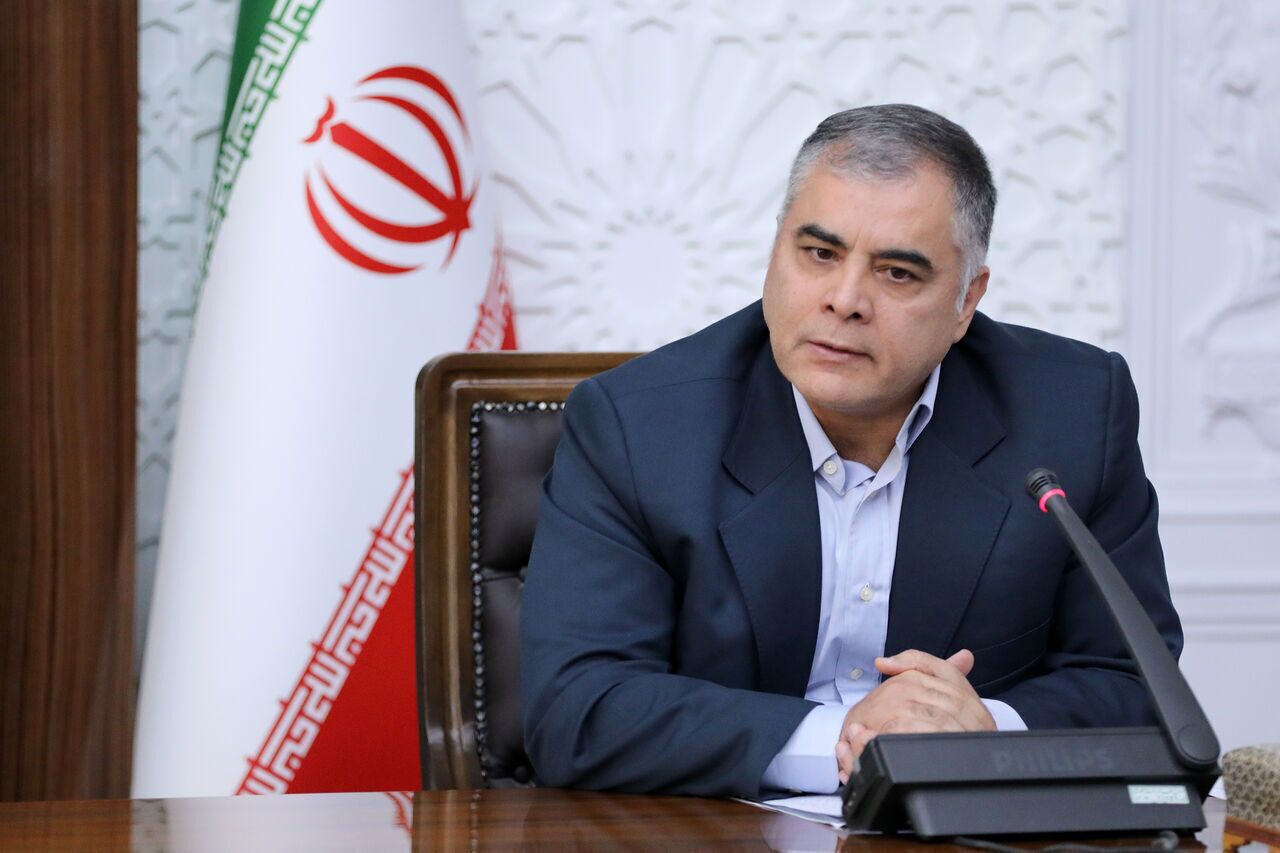
Iran's Oil Minister Resigns as President Names Company Chief Caretaker
Mohsen Paknejad's departure puts the national oil company chief in charge of Iran's Oil Ministry amid war, pressure on export revenues and an economic crisis.
15 sources · today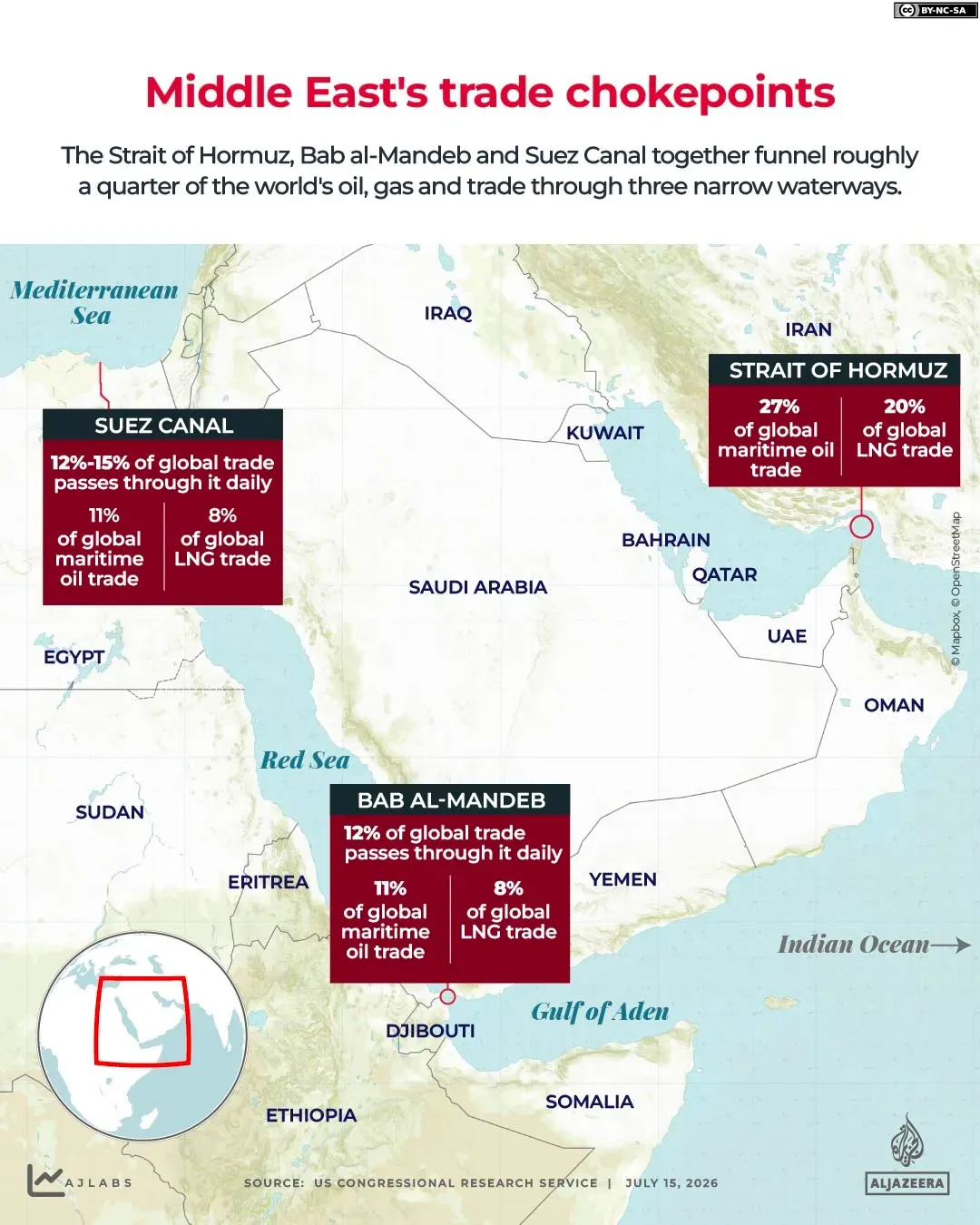
Iran reviews US counter-proposal as it sets conditions for reopening Hormuz
Iran is preparing further points on a US counter-proposal, while attacks on tankers and recovering Gulf oil exports complicate its insistence that Hormuz remains closed.
11 sources · over 5 days