Iran's IRGC Seizes Two US Underwater Drones in the Strait of Hormuz
Iran's capture of two US underwater drones in the key oil shipping route has heightened tensions and triggered conflicting claims about control of the Strait of Hormuz.
By Hushread Stories, written with AI from 24 outlets · First published 4 Oct 2026
In brief
- Iran's IRGC announced the seizure of two US unmanned underwater vehicles in the Strait of Hormuz within days.
- Iran claims the drones were engaged in espionage and has handed them over to military experts for data extraction.
- The United States has publicly denied that Iran captured its underwater drones or controls the strategic waterway.
- Iranian officials state they are now in full control of both sides of the Strait, while the US disputes this assertion.
- The standoff has increased regional tensions and raised concerns about the security of vital oil shipments through the Strait.
Timeline · 8 moments
Iran announces capture of first US underwater drone
Arab News ↗IRGC claims seizure of second US underwater drone
Mehr News (English) ↗Iran hands captured drone to military experts for analysis
Euronews ↗US military denies Iranian claims of drone seizure
Middle East Eye ↗IRGC spokesman says Strait of Hormuz is a hunting ground for US vehicles
IRNA English ↗Iranian commander claims full control over both sides of the Strait
Mehr News (English) ↗US Central Command rejects Iranian control claims
Middle East Eye ↗Iran reiterates capture of second US underwater drone
Tehran Times ↗How it started
The situation began with Iran's Islamic Revolutionary Guard Corps, or IRGC, announcing the capture of a US underwater drone in the Strait of Hormuz. The IRGC claimed the drone was operating without authorization in Iran's territorial waters and accused the United States of using it for espionage.
This development comes amid ongoing friction in the region, with Iran regularly criticizing US naval activity in the Persian Gulf. The Strait of Hormuz is a critical chokepoint for global oil shipments, making any military incident there especially sensitive.
How it unfolded
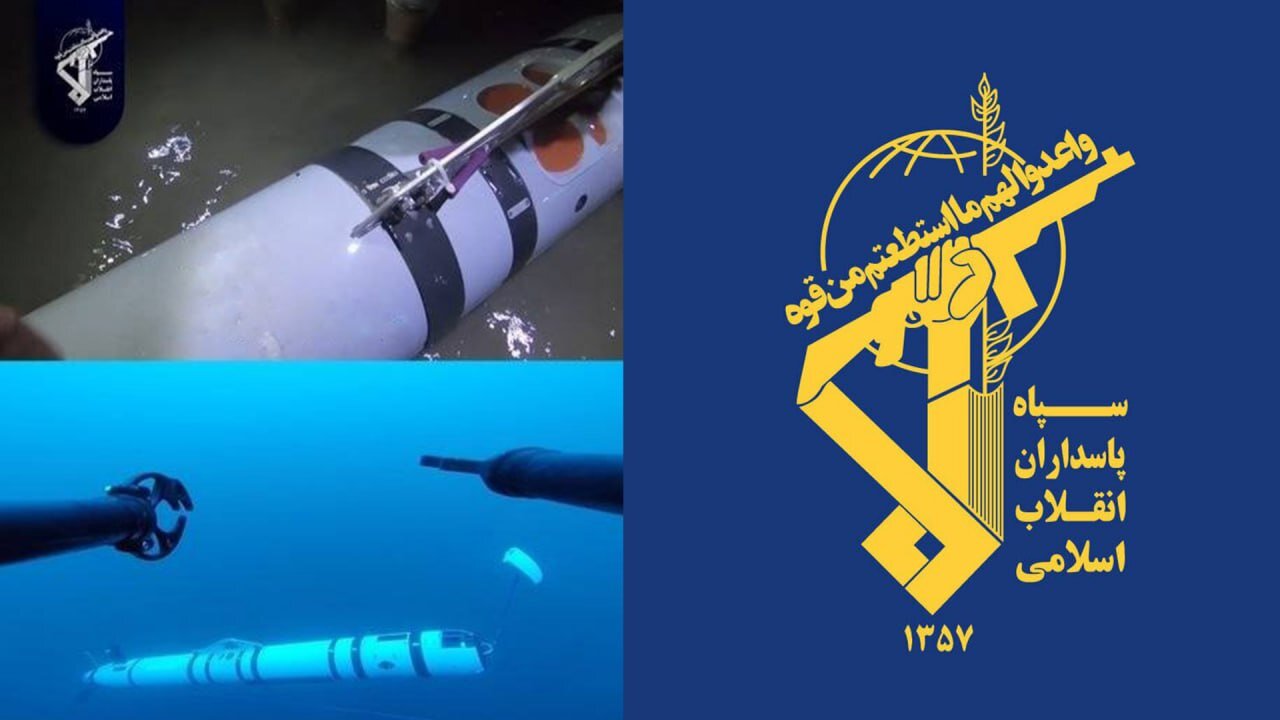
On September 27, 2026, Iranian state and regional media reported that the IRGC Navy had seized a US underwater drone identified as a Remus 600 in the Strait of Hormuz. Iran described the device as an advanced unmanned vehicle and said it was being inspected by military experts for intelligence gathering purposes. The same day, Iran announced the capture of a second US underwater drone in the same area, raising the stakes and drawing immediate international attention.
Iranian officials claimed these actions demonstrated their effective control over the strategic waterway. They described the Strait as a hunting ground for foreign military equipment, suggesting that US assets were vulnerable in the region. Reports also indicated that the IRGC was targeting vessels it deemed to be violating its regulations.
The United States responded by denying that its drones had been seized and rejected Iran's claim of controlling the Strait. US Central Command stated that Iran does not have full control over the waterway and disputed Iranian military assertions. Despite these denials, Iran continued to publicize the seizures, showing images of the captured vehicles and highlighting its military's technical capabilities.
By late September, Iranian statements became more assertive, with military leaders insisting that both sides of the Strait were under their surveillance and control. The rhetoric from both sides reflected a significant escalation in the ongoing standoff.
Where it stands
Currently, Iran maintains that it has seized two US underwater drones and is analyzing them for intelligence value. Iranian officials continue to claim dominance over the Strait of Hormuz, while the US firmly rejects these claims and insists its operations are not compromised.
The episode has contributed to increased military and diplomatic tensions in the Gulf region, with both sides standing by their conflicting narratives. The security of oil shipments through the Strait remains a concern for the global market, even as crude exports have returned to near pre-war levels.
What to watch
Key questions remain about whether Iran will release any information obtained from the drones or use the incident to justify further actions against US or allied vessels. The risk of further confrontations in the Strait of Hormuz remains high, and any escalation could disrupt vital oil flows and impact global energy markets.
More in World
All →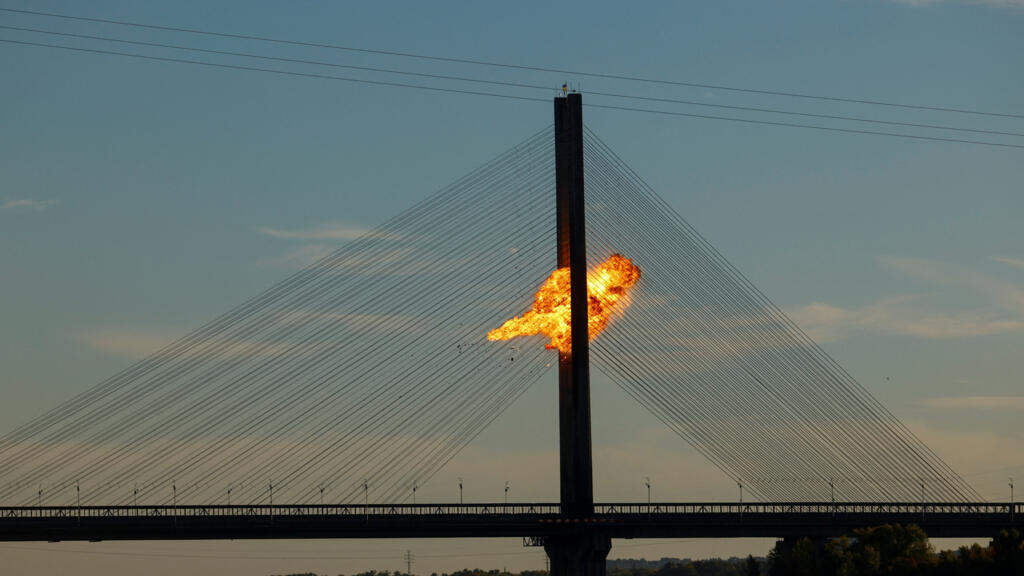
Russian Strikes Sever Kyiv's Bridges and Kill Civilians in Escalating Assault
Russia has struck a second major bridge in Kyiv, killing at least six and prompting calls for foreigners to leave the city.
37 sources · over 6 days
Medical Plane With Six Onboard Disappears Off Massachusetts Coast
A medical transport plane with six people vanished after losing contact near Nantucket while flying from Bermuda to Boston, prompting a large search operation by US authorities.
15 sources · today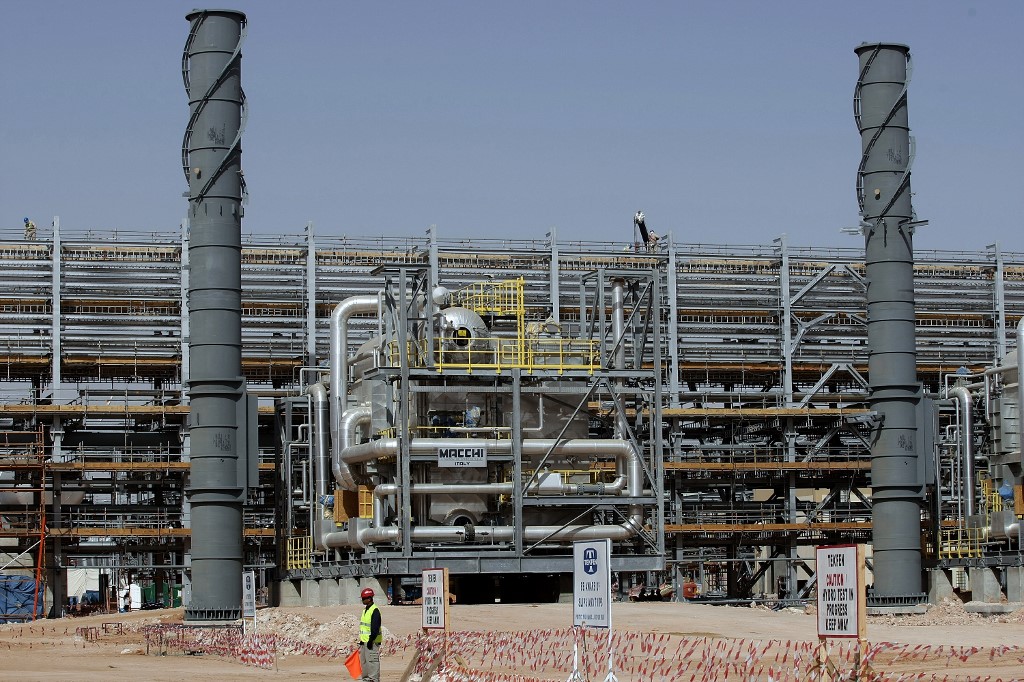
Heavy Fighting in Yemen Escalates as Houthis and Saudi Forces Clash in Taiz and Beyond
Recent clashes between Yemeni government forces and Houthi fighters have led to high casualties, cross-border attacks, and heightened military tensions, raising fears of further escalation in the region.
15 sources · over 3 days