
Iran Expands Hormuz Shipping Attacks as US Enforces Its Own Blockade
Iran's reported tanker strikes and a separate US blockade are putting commercial shipping under renewed pressure, even as some coverage reports a recovery in oil traffic.
By Hushread Stories, written with AI from 47 outlets · First published 11 Oct 2026 · Chapter 7 of 7
Earlier: Iran claims LPG tanker strike and threatens shipping beyond Hormuz
In brief
- Iran's Revolutionary Guards say they are enforcing designated shipping routes and threatening vessels beyond the Strait of Hormuz.
- Two commercial vessels were hit within 24 hours, one off Qatar and another off Fujairah.
- The Guards claimed an LPG carrier strike on October 9 and a crude tanker mine explosion the following day.
- The United States sanctioned 17 tankers linked to Iran and disabled a cargo vessel in the Gulf of Oman.
- Reports of recovering oil exports contrast with escalating attacks, leaving the durability of that recovery uncertain.
Timeline · 8 moments
Centcom reports 135 ships redirected since blockade resumed
Middle East Eye ↗US reports disabling cargo vessel enforcing Iran blockade
Arab News ↗IRGC says crude supertanker exploded after striking mine
IRNA English ↗Iran threatens to pursue vessels beyond the strait
Euronews ↗IRGC claims strike on LPG carrier south of Hormuz
Mehr News (English) ↗US sanctions 17 tankers associated with Iran's shadow fleet
Arab News ↗IRGC chief calls Hormuz security a red line
IRNA English ↗Two commercial vessels hit off Qatar and Fujairah
Euronews ↗How it started
The latest escalation centres on Iran's efforts to dictate which routes commercial ships can use through the Strait of Hormuz. Its threats now extend beyond the strait itself, according to Euronews.
On October 8, the IRGC commander-in-chief called security in the Persian Gulf and the Strait of Hormuz a "red line", IRNA English reported. ISNA (English) reported his warning that no extra-regional power had the right to threaten or interfere in the strait.
The attacks come amid wider regional violence. New York Times - Middle East reported that attacks on ships around Hormuz continued as war between Saudi Arabia and the Houthi militia intensified.
How it unfolded
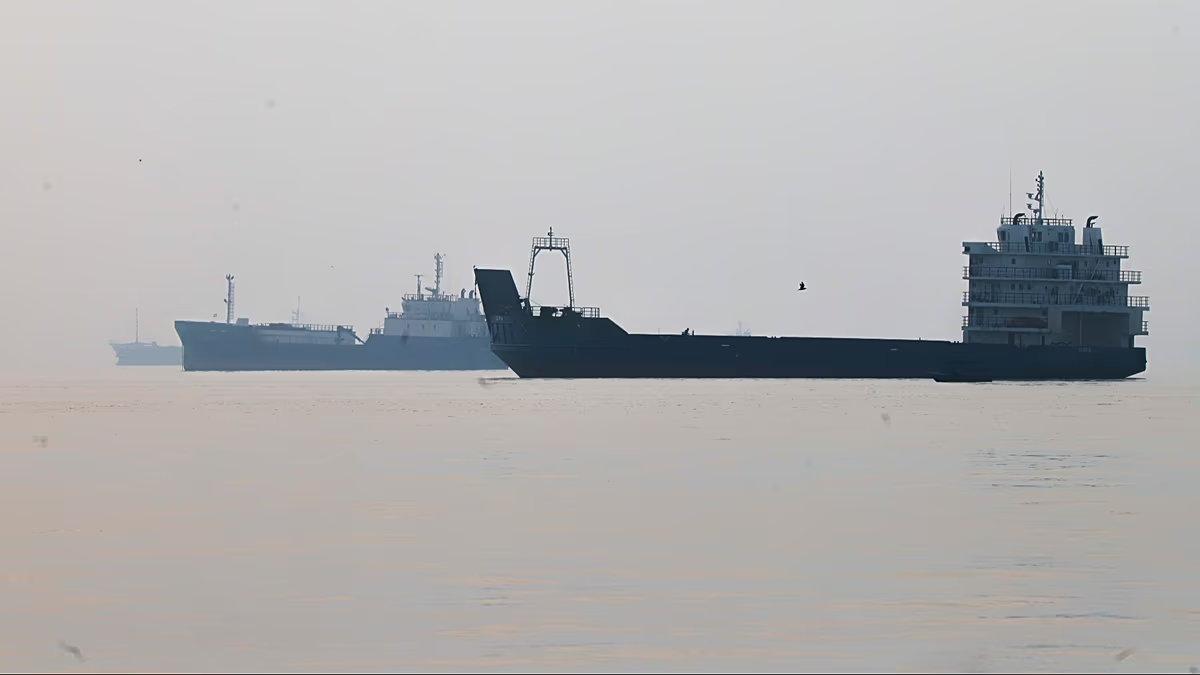
On October 8, Euronews reported that two commercial vessels had been hit within 24 hours, one off Qatar and another off Fujairah in the Gulf of Oman. The Qatar attack was the first in that area in six months. Outlets affiliated with the IRGC suggested Tehran had expanded its operations.
That day, the United States imposed sanctions on 17 tankers associated with Iran's shadow fleet, according to Arab News. CNBC described the measures as part of the Trump administration's military and economic campaign against Iran.
On October 9, the IRGC Navy said it had struck a large liquefied petroleum gas carrier south of the strait, causing a fire, Mehr News (English) reported. The Guards said the tanker had attempted to use an "illegal route", according to NDTV Top Stories.
The warning accompanying that claim widened the threat to shipping. Euronews reported that the Guards threatened to pursue and punish vessels using routes they considered unauthorised anywhere in the region. Maritime agencies also reported two further strikes on commercial ships.
On October 10, the IRGC Navy claimed a crude oil supertanker exploded after hitting a naval mine while leaving the strait through an unauthorised route, according to IRNA English. The Guards did not identify the tanker in the account reported by Times now.
Coverage published on October 11 described a separate US action the previous day. US Central Command said its forces disabled a commercial cargo vessel in the Gulf of Oman, Top World News- News18.com reported. According to Arab News, the US military said the crew ignored warnings and attempted to breach its naval blockade against Iran.
Where it stands
The coverage does not support a simple description of Hormuz as completely closed. Il Post reported on October 9 that oil exports had almost returned to pre-war levels and Iran's control was weakening. cnn.com likewise described the strait as no longer paralysed. Those accounts contrast with Washington Post World, which reported increased Iranian attacks blocking oil shipments despite US claims of restored flows.
The central uncertainty is whether recovered traffic can withstand the attacks. CNBC reported that the escalation was testing the sustainability of rebounding Middle Eastern crude exports. Iran's accounts of the LPG carrier strike and the mined supertanker remain claims by the IRGC in the supplied coverage, rather than independently established descriptions of those incidents.
The US blockade is also restricting shipping. US Central Command said it had redirected 135 commercial vessels and disabled four since the blockade resumed on July 14, according to Middle East Eye.
What to watch
The immediate issue is whether Iran follows through on its threat to pursue vessels beyond Hormuz, and whether oil exports continue recovering despite further strikes. The expanded threat reported by Euronews makes incidents outside the strait important to track, not just passage through it.
A further US military response remains a possibility, not an announced decision in this coverage. NBC News reported on October 8 that President Donald Trump was weighing renewed large-scale military operations in Iran during the coming weeks.
More in World
All →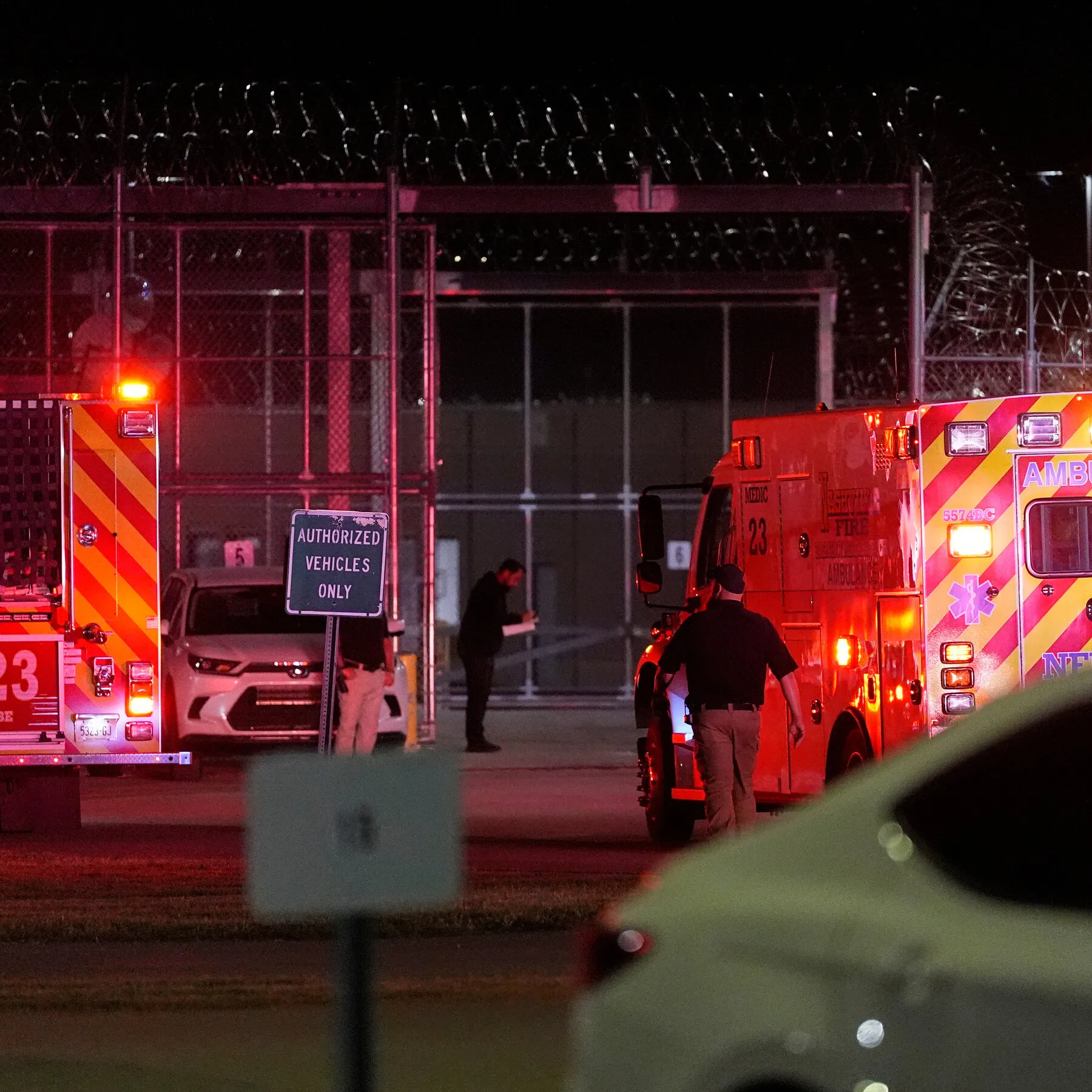
Christa Pike Returns to Prison After Failed Tennessee Execution
Christa Pike has left hospital and returned to prison, while her lawyer says she remains somewhat confused and may have lasting injuries.
71 sources · over 5 days
South Korea recalls ambassador from Ukraine over North Korean prisoners
Seoul's decision escalates a dispute over Kyiv's public disclosure that two North Korean prisoners were transferred to South Korea, which Seoul says put their families at risk.
13 sources · over 3 days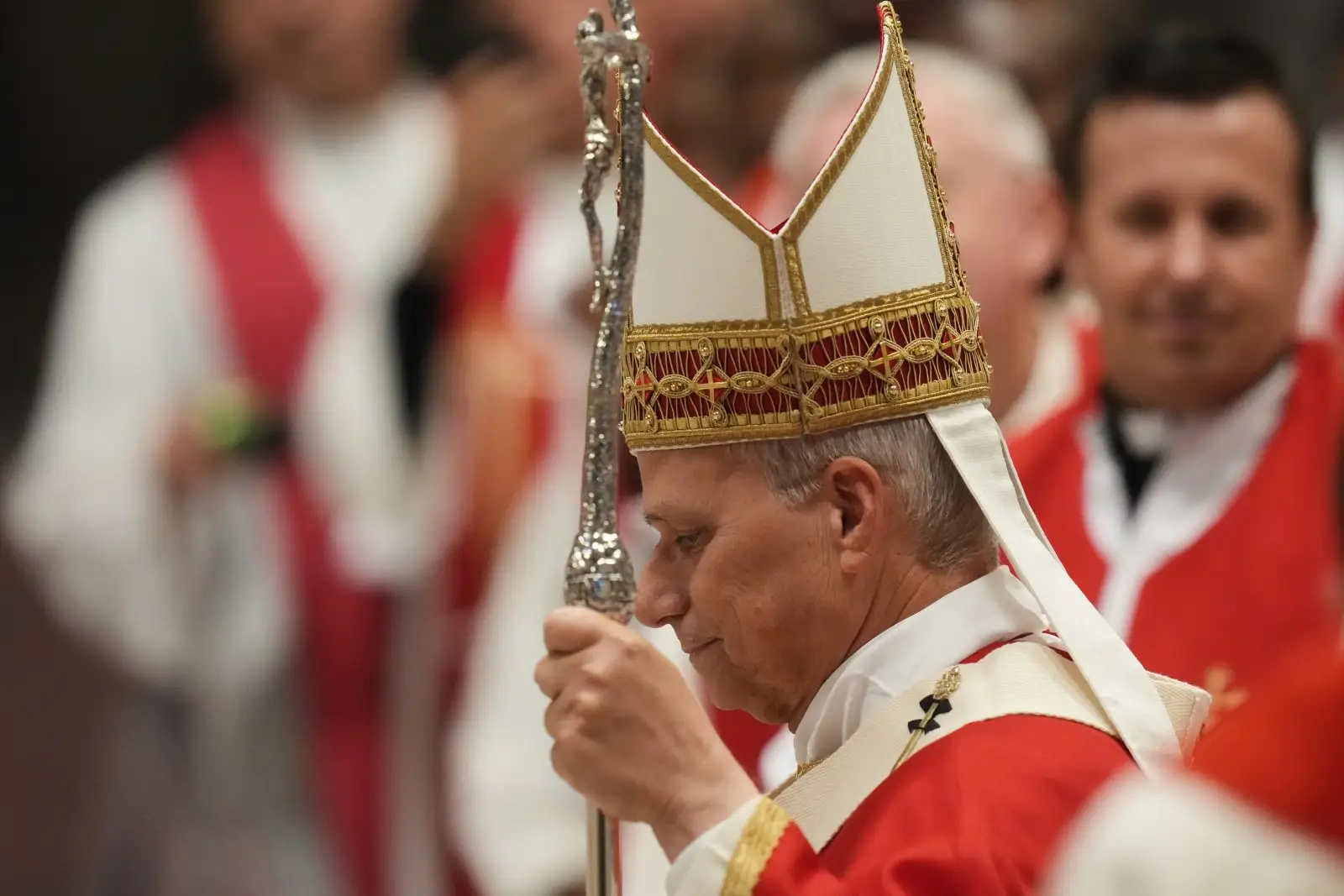
Pope Leo Rejects Death Penalty as Pentagon Plans Livestreamed Execution
Pope Leo XIV has reaffirmed Catholic opposition to capital punishment as the Pentagon prepares to livestream Nidal Malik Hasan's execution, drawing criticism from Church officials.
16 sources · today