
Iran Tightens Hormuz Shipping Restrictions as US Expands Pressure and Talks Stall
Attacks on shipping and a new US effort to restrict Iranian land trade are raising pressure around Hormuz, even as Trump plays down the likelihood of renewed strikes.
By Hushread Stories, from 66 outlets · First published 9 Nov 2026 · Chapter 4 of 4
Earlier: US and Iran trade Hormuz threats as Trump leaves room for talks
In brief
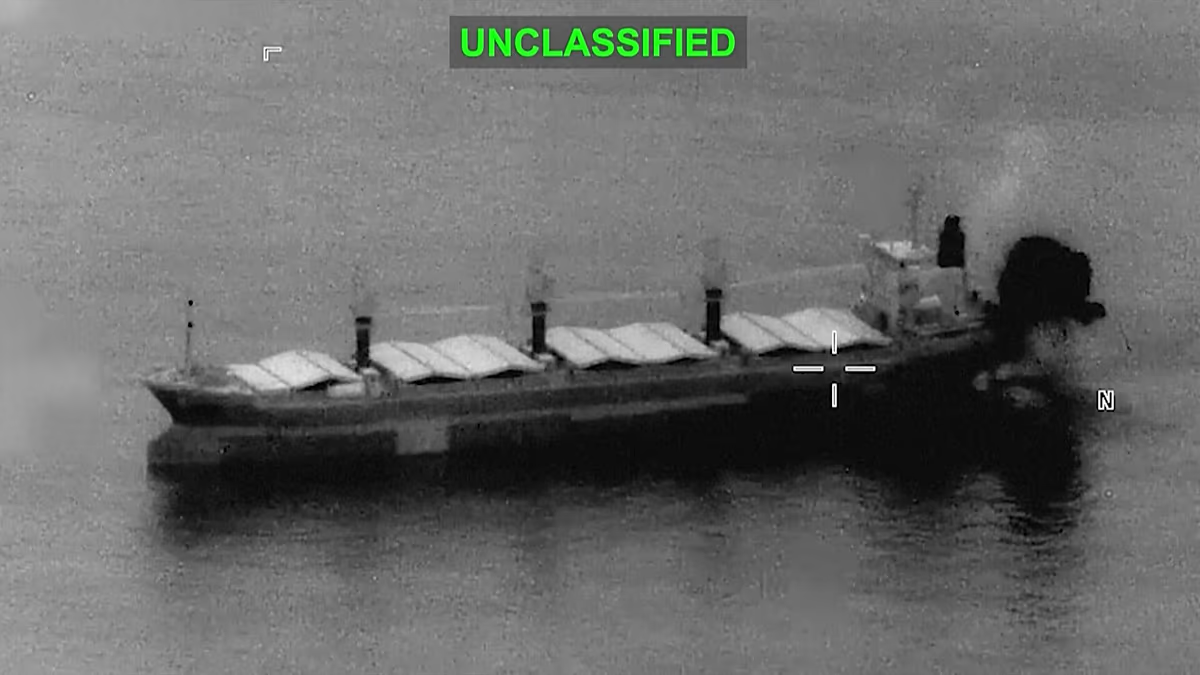
- US forces disabled a commercial vessel in the Gulf of Oman, saying it ignored warnings and breached the blockade.
- Iranian coverage says the IRGC struck three tankers near Hormuz over alleged US links, and one tanker caught fire.
- Mehr News, citing local Iranian media, says Iranian naval forces stopped four tankers and targeted 11 others in 10 days.
- Washington announced a task force targeting land transit into Iran, expanding pressure beyond its naval blockade.
- After meeting Qatar's prime minister, Trump said the war was effectively over militarily, while warning US forces remained ready to act.
Timeline · 11 moments
Trump signals positive momentum toward ending the war
Al Jazeera ↗Iranian media report four tankers halted and 11 targeted
Mehr News (English) ↗IRGC strikes three tankers near Hormuz over US links
Al Jazeera ↗Report says Iran eased Hormuz demands, without confirmation
Bloomberg ↗IRGC claims unauthorized southern Hormuz route completely stopped
Mehr News (English) ↗Araghchi gives Washington two days to accept offer
The Hill ↗Trump says renewed strikes unlikely if talks progress
CNBC International ↗US announces task force targeting Iranian land transit
The Hindu ↗Iran reports tanker fires after Hormuz mine strikes
Infobae ↗Trump confirms strikes on Qeshm Island air defenses
New York Post ↗Update 10 Nov 2026, 9:03 am UTC
After meeting Qatar's prime minister, President Donald Trump said the war was "effectively over" militarily and suggested it could end fairly soon, while warning that US forces remained ready to act. He said there was positive momentum toward an agreement, and oil prices fell as fears of renewed strikes eased, though the US blockade remained in place.
Update 9 Nov 2026, 7:00 pm UTC
New coverage says the IRGC struck three tankers near Hormuz over alleged US links, with one tanker catching fire. Mehr News also reports that Iranian naval forces prevented four tankers from transiting illegally and that 11 others were targeted in 10 days, citing local media.
Update 9 Nov 2026, 0:59 pm UTC
The latest coverage adds an unconfirmed report that Iran eased its demands over the Strait of Hormuz, while oil prices fell or held steady as President Donald Trump played down the prospect of new strikes. Reports of attacks on ships and supply disruption remained in focus, and Iran said the strait's security depended on the US meeting its demands.
How it started
The latest confrontation involves two overlapping restrictions on trade: a US naval blockade of Iranian ports and Iranian restrictions on passage through the Strait of Hormuz. According to The Hindu, both have operated during the countries' eight-month war, disrupting a critical trade route.
The pressure is now extending beyond shipping. Washington has announced an effort to disrupt land transit into Iran, while Iranian forces have reported tankers striking mines on routes they describe as unauthorized. Those reports come as negotiations remain unresolved.
How it unfolded
On November 7, reports emerged that US forces had fired on and disabled a commercial vessel in the Gulf of Oman. Times now reported that the ship allegedly tried to breach Washington's blockade. In subsequent coverage, The Independent reported that US Central Command said the vessel had ignored repeated warnings.
Also on November 7, New York Post reported that President Trump confirmed fresh US strikes against Iranian air defense systems on Qeshm Island. The accounts of explosions require caution: The Hindu separately reported that Iranian officials had not confirmed missile strikes and that a source cited by Tasnim said the Qeshm explosions were not related to them.
On November 8, Iranian authorities reported tanker fires following mine strikes near Hormuz. Infobae reported an Iranian Revolutionary Guard account of two tankers exploding and catching fire. Press TV carried an IRGC Navy account describing three tankers engulfed in flames along an unauthorized shipping route. The supplied reports do not establish whether these counts describe the same incidents or successive ones.
That day, Washington announced a task force to disrupt land transit routes into Iran, extending its pressure beyond Iranian ports, according to The Hindu. Tehran Times reported that Iran dismissed the initiative as another attempt to force economic collapse.
Diplomatic messages on November 8 were sharply different. Trump said renewed strikes were highly unlikely if talks advanced, with negotiations covering Iran's nuclear program and Hormuz, according to CNBC. But Al Jazeera reported that Iranian Foreign Minister Abbas Araghchi said there had been no progress in talks. The Hill reported that he gave Washington a two-day ultimatum to accept Tehran's offer or face military escalation.
Where it stands
The latest coverage, dated November 9, contains an Iranian claim of tighter control over the strait. Mehr News cited an IRGC Navy official saying no violating vessel had entered an unauthorized southern route after navigation aid systems were destroyed. That is an Iranian military claim, not independently established in the supplied coverage.
Trump's conditional reassurance has not resolved the immediate risks to shipping. The reported mine incidents, the US action against a commercial vessel and the widening trade restrictions remain separate sources of pressure. Nor is there a shared public account of diplomatic progress: Trump's comments leave room for a deal, while Araghchi says talks have not advanced.
What to watch
The immediate diplomatic issue is Washington's response to Iran's proposal and two-day ultimatum. IRNA reported that Araghchi said the White House must choose between accepting the proposal and war. The supplied coverage does not include a US acceptance or a completed agreement.
At sea, the unresolved issues are whether further vessels attempt restricted routes and whether the reported tanker incidents can be independently verified. On land, the scope and practical effect of the new US transit initiative remain to be established.
More in World
All →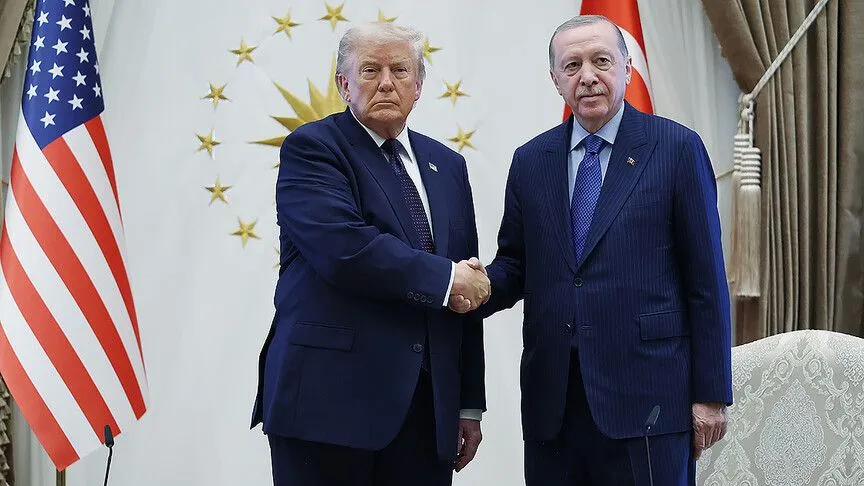
Erdoğan urges restraint as Trump plays down new Iran attacks
Erdoğan has told Trump he opposes another wave of attacks on Iran, while reports of daily pressure from Netanyahu put competing diplomatic and military demands in focus.
8 sources · over 3 days
Russell Brand sentenced to 10 years and six months for rape
The sentence follows convictions involving four women, whose accounts of lasting trauma were heard in court, while new allegations of violence have emerged from his former partner.
64 sources · today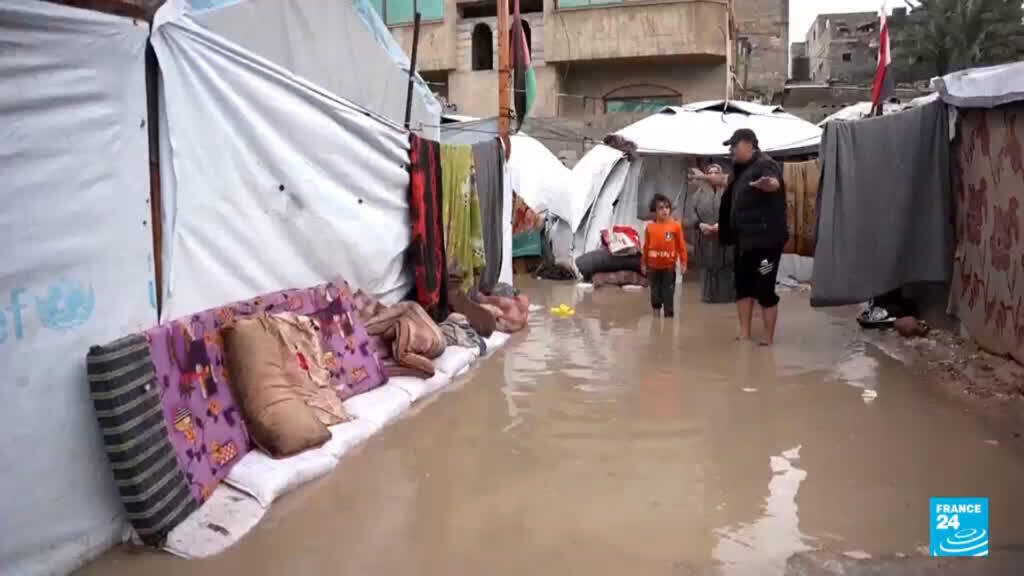
Heavy Rains Flood Gaza Tents, Leaving 350,000 Without Shelter
At least 70,000 tents flooded across Gaza, while newer reports give differing death tolls from weather-related collapses.
22 sources · over 5 days