
US and Iran trade Hormuz threats as Trump leaves room for talks
Shipping attacks and tighter US restrictions are increasing pressure around the Strait of Hormuz, even as President Donald Trump says renewed strikes are unlikely if negotiations progress.
By Hushread Stories, from 47 outlets · First published 9 Nov 2026 · Chapter 3 of 4
Earlier: Iran Reports Three Tanker Fires as US Expands Pressure on Trade
In brief
- The US military says it disabled a commercial vessel attempting to breach its naval blockade of Iran.
- Iranian authorities reported tankers striking naval mines in the Strait of Hormuz, with differing accounts of the number.
- Washington has launched a task force to disrupt land transit into Iran, expanding pressure beyond its ports.
- President Donald Trump says further strikes are highly unlikely if negotiations produce progress toward a strong agreement.
- Iran says Washington must accept its latest proposal or face escalation, while reporting no progress in talks.
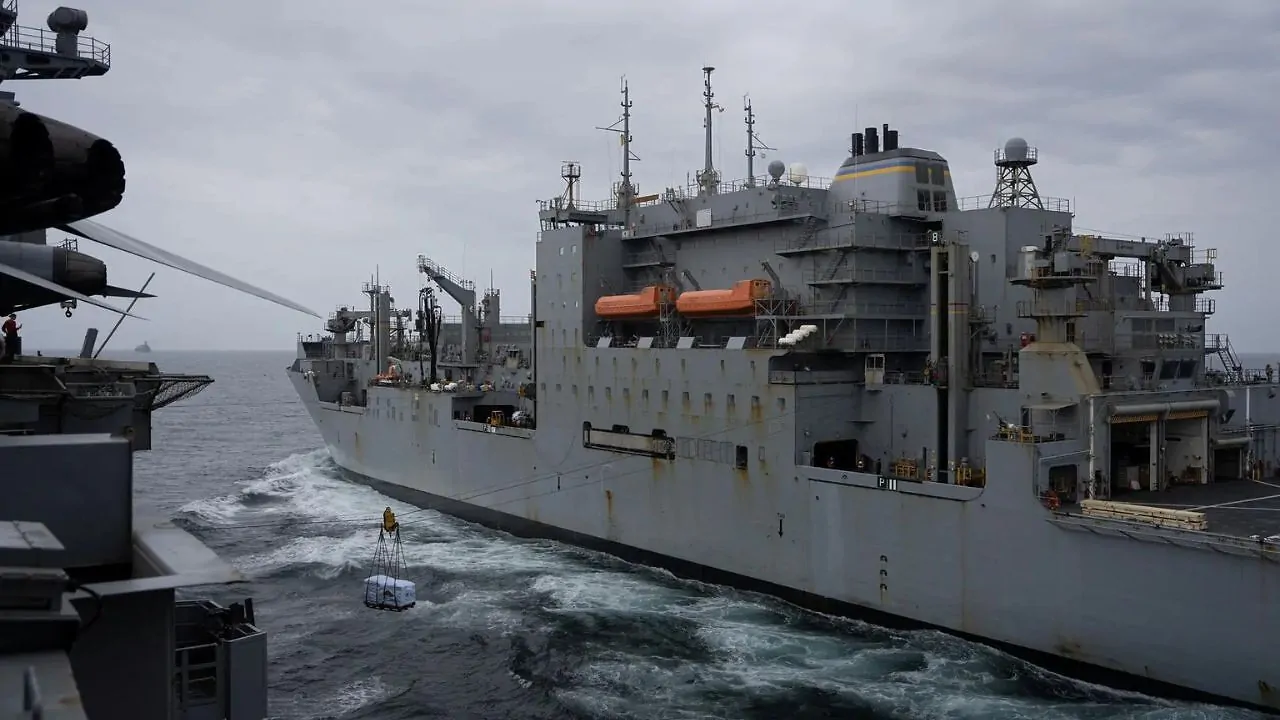
Timeline · 6 moments
Iran demands US choice on latest peace proposal
The Hill ↗Trump says renewed strikes unlikely if talks progress
CNBC International ↗US launches task force targeting Iranian land transit
NDTV News - World-news News ↗Trump confirms strikes on Qeshm Island air defenses
New York Post ↗Iran says two tankers struck mines in Hormuz
Press TV (English) ↗US military says it disabled blockade defying cargo vessel
Middle East Eye ↗How it started
The confrontation now involves two overlapping restrictions on trade: a US naval blockade of Iranian ports and Iranian limits on passage through the Strait of Hormuz. The Hindu described both as part of the countries' eight-month war.
Those restrictions are squeezing shipments of energy and other commodities vital to the world economy, according to Business Line. The latest developments extend the pressure beyond shipping, with Washington seeking to disrupt Iran's land supply routes as well.
How it unfolded
On November 7, US Central Command said a US military aircraft fired on and disabled a commercial vessel in the Gulf of Oman after it tried to break the blockade, Middle East Eye reported. The command said the vessel ignored repeated warnings, according to The Independent.
Iranian accounts also described tanker fires. On November 7, Press TV carried an IRGC Navy claim that two oil tankers struck mines after ignoring passage rules. On November 8, Press TV reported an IRGC Navy account of three tankers burning along an unauthorized route. These reports do not establish a clear total of distinct vessels affected.
Reports about explosions on Qeshm Island were also contested. On November 7, New York Post reported that President Trump had confirmed fresh strikes on Iranian air defenses there. The Hindu reported that Iranian officials had not confirmed missile strikes. On November 8, Middle East Eye reported that Iranian state media said the US military had fired projectiles at the island.
On November 8, NDTV reported that the US had launched a 20-member task force to disrupt land transit routes into Iran. The effort would expand restrictions beyond the existing naval blockade.
Diplomatic statements followed that day. Trump said renewed strikes were highly unlikely if negotiations progressed, while Foreign Minister Abbas Araghchi demanded a choice between Iran's proposal and continued conflict, according to CNBC and IRNA.
Where it stands
Trump's position is conditional, not a commitment to stop military action. He tied avoiding renewed strikes to progress on Iran's nuclear program and the Strait of Hormuz, CNBC reported.
The two sides are not describing the diplomacy in the same terms. While Trump spoke of progress as the route away from further attacks, Iranian Foreign Minister Abbas Araghchi said there had been no progress in talks, according to Al Jazeera.
Iran has presented its latest offer as an urgent choice. The Hill described Araghchi's warning as a two-day diplomacy ultimatum to accept Tehran's proposal to end the war or face military escalation.
What to watch
The immediate issue is whether Washington accepts, rejects or seeks changes to Iran's proposal. ISNA reported that it includes ending the war on all fronts, but the supplied coverage does not provide the full terms.
At sea, further vessel incidents could test Trump's stated preference to avoid renewed strikes. Clearer accounts of the tanker fires and Qeshm explosions are also pending, with the available reports differing over vessel numbers and the nature of the military activity.
More in World
All →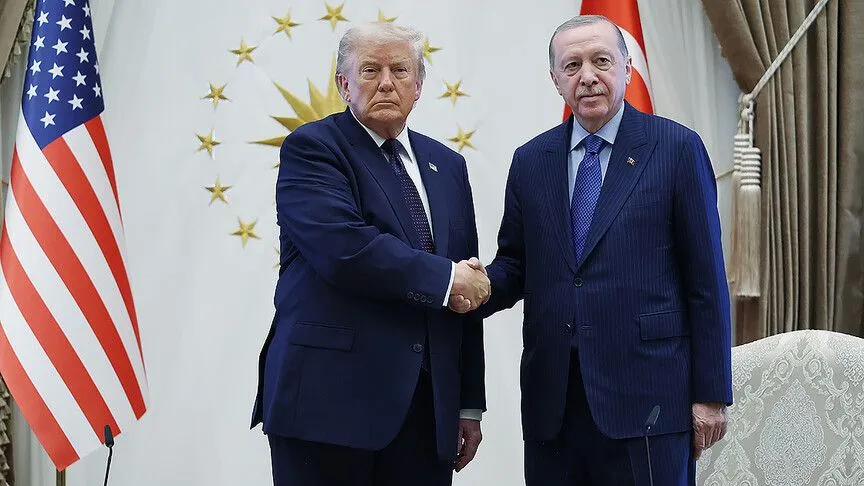
Erdoğan urges restraint as Trump plays down new Iran attacks
Erdoğan has told Trump he opposes another wave of attacks on Iran, while reports of daily pressure from Netanyahu put competing diplomatic and military demands in focus.
8 sources · over 3 days
Russell Brand sentenced to 10 years and six months for rape
The sentence follows convictions involving four women, whose accounts of lasting trauma were heard in court, while new allegations of violence have emerged from his former partner.
64 sources · today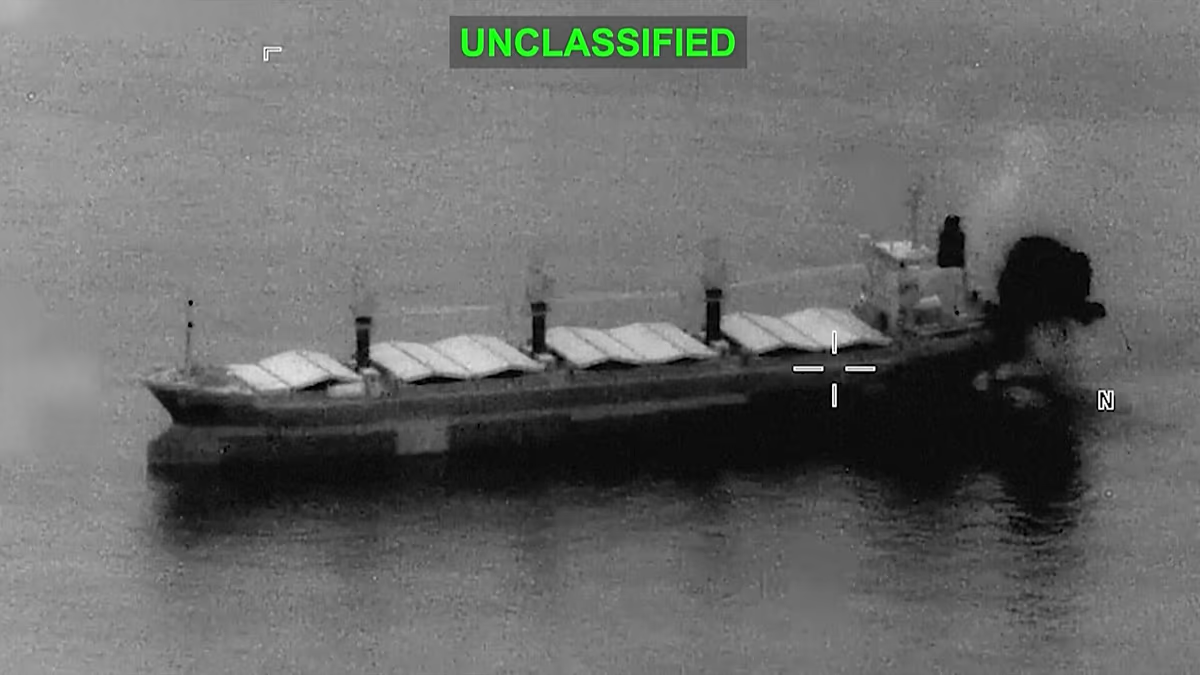
Iran Tightens Hormuz Shipping Restrictions as US Expands Pressure and Talks Stall
Attacks on shipping and a new US effort to restrict Iranian land trade are raising pressure around Hormuz, even as Trump plays down the likelihood of renewed strikes.
66 sources · over 12 days