
Israel votes October 27 as Netanyahu faces Eisenkot and coalition uncertainty
Israel's first election since the October 7 attacks will test Benjamin Netanyahu's hold on power, with final polls pointing to no parliamentary majority for either bloc.
By Hushread Stories, from 43 outlets · First published 26 Oct 2026
In brief
- Israel votes on October 27 in its first national election since the October 7, 2023 attacks.
- Former military chief Gadi Eisenkot has emerged as a principal challenger to Prime Minister Benjamin Netanyahu.
- The latest polls before publication restrictions showed neither bloc winning a majority of seats in parliament.
- Thousands protested in Tel Aviv before the vote, demanding accountability and an independent inquiry into October 7.
- President Trump has renewed his endorsement of Netanyahu, while forming Israel's next government could take weeks or months.
Timeline · 6 moments
Eisenkot pledges unity at final major campaign rally
Mint ↗Netanyahu warns Iran against disrupting the Israeli election
Middle East Eye ↗Trump reiterates endorsement and urges Israelis to back Netanyahu
Middle East Eye ↗Netanyahu seeks more public campaign support from Trump
Axios ↗Final published polls show neither bloc securing parliamentary majority
World News CNA ↗Thousands march in Tel Aviv demanding government accountability
© Jack Guez, AFP ↗How it started
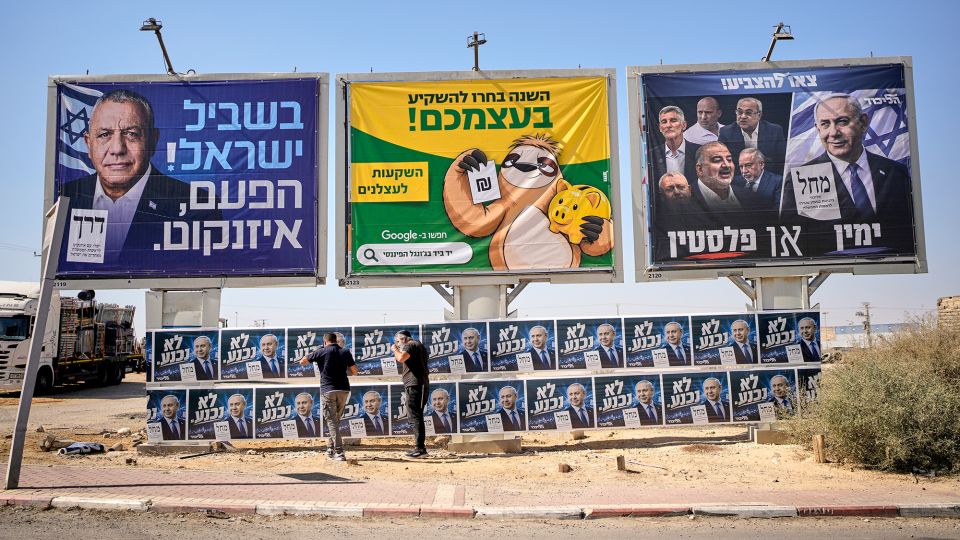
Israel votes on October 27 in its first national election since the Hamas-led attacks of October 7, 2023, and the subsequent wars in Gaza, Iran and Lebanon, according to The Independent. Prime Minister Benjamin Netanyahu's response to that period is at the centre of the contest.
National security has dominated the campaign, the Guardian reported. Bloomberg Economics described a race consumed by Iran, security and the impact of three years of war, with Netanyahu and his main challenger, Gadi Eisenkot, rarely moving beyond those subjects.
Eisenkot, a former Israel Defense Forces chief, has emerged as one of Netanyahu's principal challengers, according to Times now. His political positioning is described differently across the coverage: Le Monde calls him centrist, while NPR describes him as center-right.
How it unfolded
On October 24, thousands marched in Tel Aviv against Netanyahu's government, demanding accountability for the failure to prevent the Hamas-led attack, AFP reported. Opposition figures joined protesters calling for an independent October 7 inquiry, according to Al Jazeera.
The protest came as the final polling picture suggested no straightforward route to government. CNA reported on October 24 that the latest polls, published before a Friday-night publication ban, showed neither bloc securing a parliamentary majority.
On October 25, Axios reported that Netanyahu had pressed President Trump in recent days for more public support for his campaign. Trump had already endorsed him, but Axios separately reported that some Trump advisers saw opportunities for the president's Middle East agenda under a different Israeli government.
Trump publicly reiterated his endorsement on October 25, calling on Israelis to vote for Netanyahu, according to Middle East Eye. By October 26, the Times of Israel reported that Trump had doubled down on his support following Netanyahu's reported request.
Security remained prominent in the closing campaign. Middle East Eye reported on October 26 that Netanyahu had released a video warning Iran and its proxies against disrupting the election. Meanwhile, Eisenkot pledged to unite the country at his final major rally before the vote, according to Mint.
Where it stands
The last published polls leave the election without a clear majority for either bloc, according to CNA. That makes the contest about both Netanyahu's survival and the ability of competing parties to assemble a government.
Netanyahu also retains a substantial base. The New York Times reported on October 26 that his core support remained strong, while the Financial Times found many voters in Sderot, a city hit by the October 7 attack, still firmly behind him.
Security is not the only issue awaiting the next government. Al Jazeera identified judicial reform and conscription among the campaign's key questions. Bloomberg Economics also reported that the war-focused campaign was masking an underlying economic divide.
What to watch
The immediate test is the October 27 vote and whether its results give either bloc a route to a parliamentary majority. Election day may not settle who governs: The New York Times reported that forming a new government can take weeks, months or longer.
A change of prime minister would also leave major policy questions open. Le Monde reported that Eisenkot opposes the E1 settlement project, which would cut the largest Palestinian territory in two. The scope of any broader change toward Palestinians remains a central question, rather than an assured consequence of Netanyahu losing office.
More in Politics
All →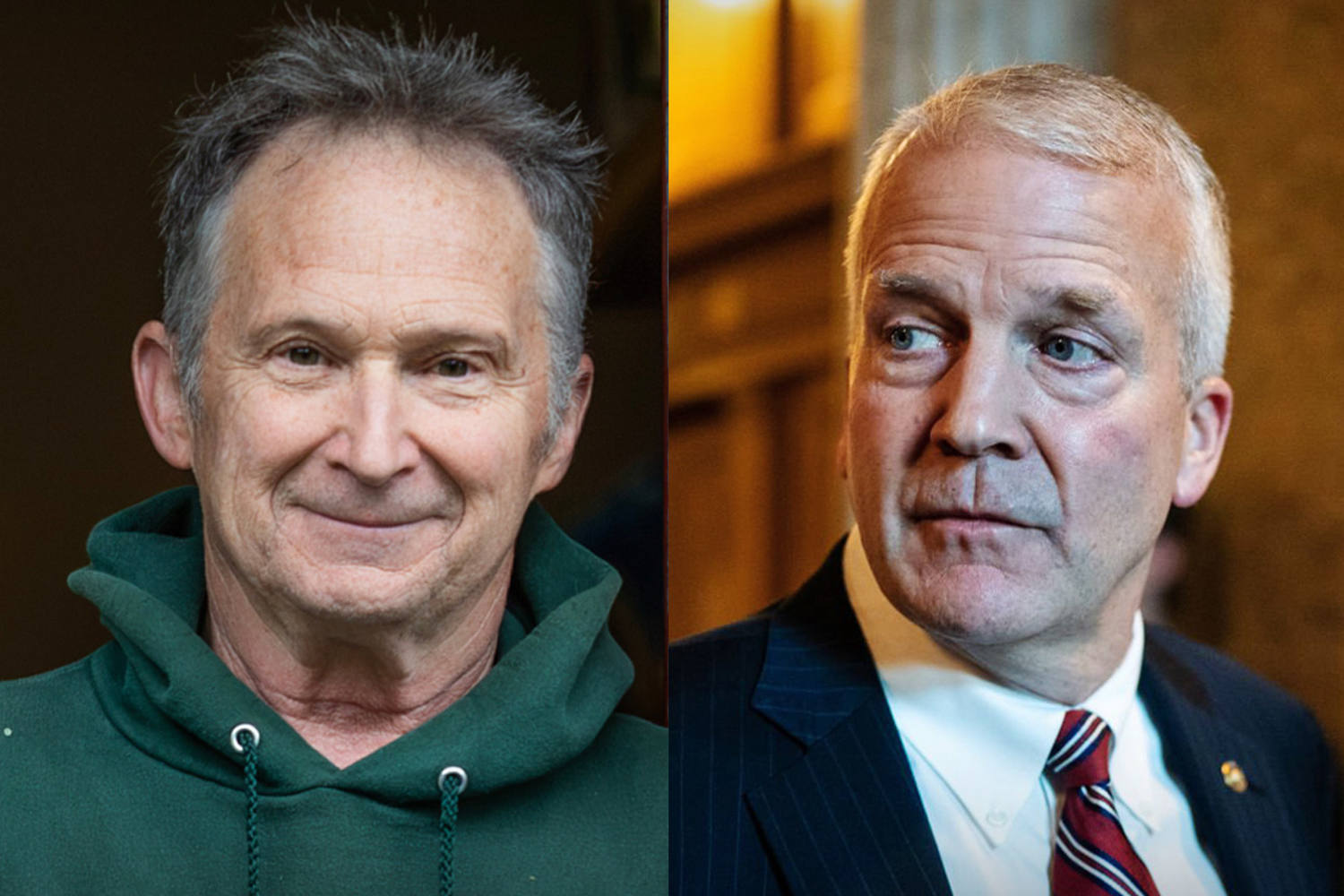
Trump Orders Lawsuit to Block Alaska Senate Certification if Sullivan Loses
The Justice Department's preemptive challenge over similar candidate names now faces opposition from Democrats and voting rights advocates, with Senate control potentially at stake.
30 sources · over 4 days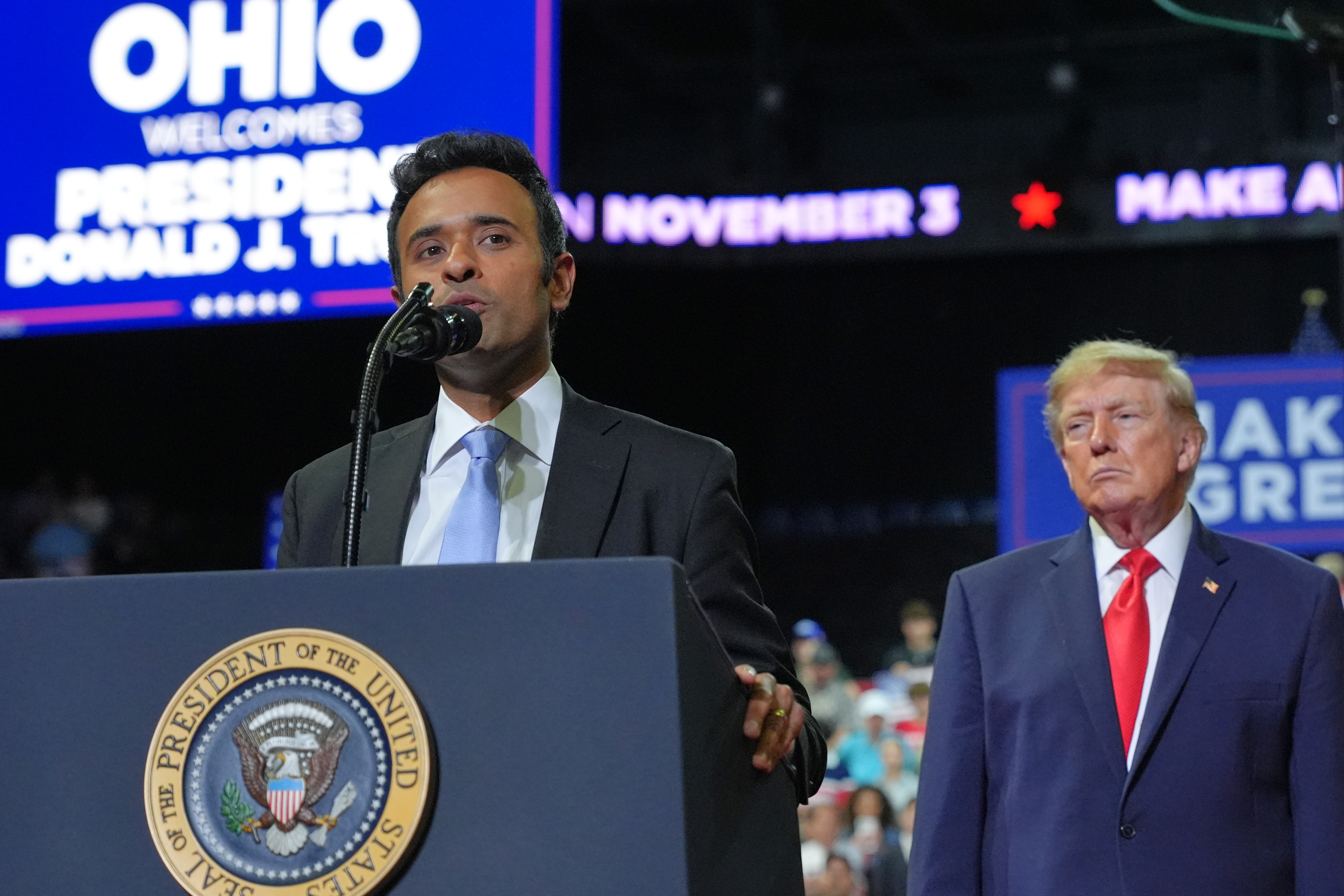
Ramaswamy Ad Featuring Acton's Estranged Mother Splits Republicans in Ohio
Amy Acton urged Trump and Vance to examine the facts as Ramaswamy's campaign quietly edited its controversial ad.
40 sources · over 8 days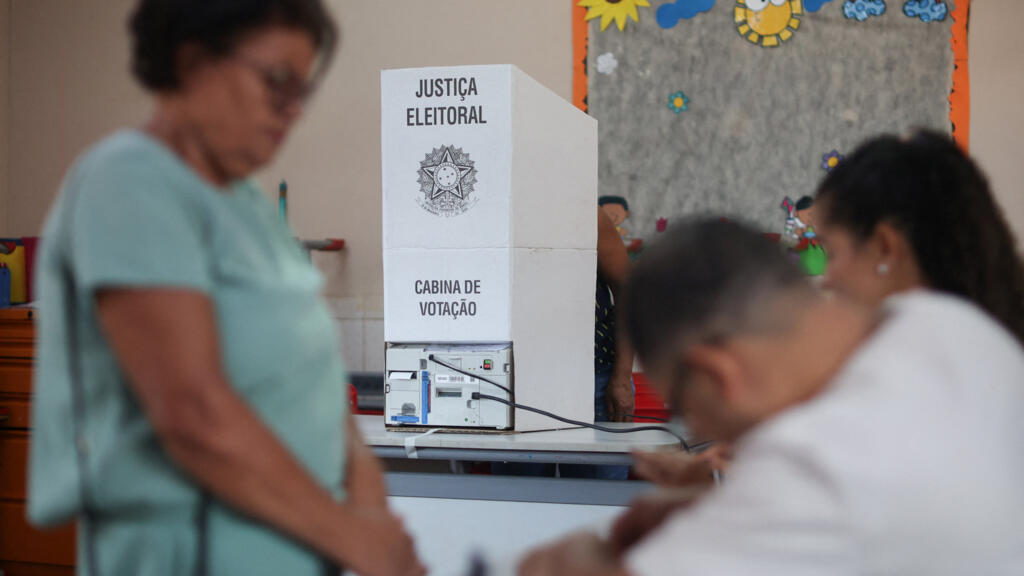
Brazil votes in tight presidential runoff between Lula and Flávio Bolsonaro
Brazilians voted on October 25 after a bitter campaign, with late polls showing little separation between President Luiz Inácio Lula da Silva and challenger Flávio Bolsonaro.
38 sources · over 6 days