
Israeli opposition demands Netanyahu's removal over alleged election-day interference and Knesset speaker vote
After Netanyahu claimed the October 27 vote was stolen, reports that his office targeted Arab party members have galvanized rivals, who just won control of the Knesset speaker's chair.
By Hushread Stories, from 34 outlets · First published 17 Nov 2026 · Chapter 1 of 3
In brief
- Netanyahu remains caretaker prime minister, but the opposition now controls the speaker's chair.
- Netanyahu claimed the October 27 election was stolen, yet his own camp now faces allegations of election-day meddling.
- A press report alleged his office pushed police to arrest Arab-Israeli party members, and three people were later freed.
- Gadi Eisenkot said Netanyahu cannot remain at the head of the government for a minute longer and called him a threat.
- Matan Kahana, an Eisenkot ally, won the speakership 66-52 with Arab party backing and is moving to reverse Netanyahu's agenda.

Timeline · 9 moments
Kahana takes speakership, opposition moves to unravel Netanyahu agenda
Arab News ↗Knesset elects Eisenkot ally Matan Kahana as speaker
CNN - Middle East ↗Rivals warn Netanyahu is pushing new Iran attack
World ↗Three freed; attorney general blocks Shin Bet wiretap bid
dawn.com ↗Eisenkot says Netanyahu cannot stay a minute longer
France24 ↗Opposition leaders denounce attempted coup, demand investigation
Al Jazeera ↗Report alleges Netanyahu camp orchestrated election-day arrests of opponents
World ↗Eisenkot calls Netanyahu a direct threat, vows probe
Anadolu Ajansı ↗Israel votes; Netanyahu later claims election was stolen
NDTV News - World-news News ↗Update 18 Nov 2026, 11:57 am UTC
The story has moved on from the speaker vote itself. Matan Kahana, an ally of Gadi Eisenkot, was elected Knesset speaker with 66 votes, and Bloomberg and Arab News now frame the new parliament as moving to unravel Netanyahu's legacy. Fanpage notes that Arab party backing helped deliver the result, while DW Türkçe reports that Eisenkot is still working to assemble a majority to form a government. The core headline and points still hold, so only the key points were refreshed.
Update 18 Nov 2026, 5:49 am UTC
The Knesset has now elected Matan Kahana, an ally of Gadi Eisenkot, as speaker by a 66-52 vote, Al Jazeera and UPI both reported. That moves control of the legislative agenda to the opposition, which SBS News said can now advance its own bills. The election-interference allegations are still unresolved, and Netanyahu remains caretaker prime minister. The original headline's focus on the removal demand and the speaker vote is still accurate, so no change of subject or facts is needed in the headline itself.
How it started
After Israel's October 27 election, Prime Minister Benjamin Netanyahu claimed the vote had been stolen. The claim was aimed in part at Arab parties, and his opponents accused him of trying to delegitimise both them and the result in order to cling to power, NDTV reported.
Then the accusations turned around. Press reports alleged that Netanyahu's own camp had tried to interfere in the vote, and the story quickly moved from a dispute over the count to a dispute over his conduct.
How it unfolded
Reuters reported that Netanyahu's camp was being accused of orchestrating the arrests of opponents on election day. His office acknowledged calling police officials but denied any wrongdoing. CNN described the allegation as a member of his staff providing information to police against Arab citizens in an attempt to influence the election.
Opposition leaders reacted fiercely. Al Jazeera reported that rivals accused Netanyahu of an attempted coup and called for an investigation into reports that his office tried to frame Arab parties. Arab News said the alleged target was an Arab-Israeli party.
On November 15 and 16, Eisenkot went furthest. Anadolu reported that he called Netanyahu a direct threat to Israel's democracy and vowed a probe into the alleged interference. France24 quoted him saying Netanyahu "cannot remain at the head of the government for a minute longer".
Dawn added detail on November 17. It reported that three people were freed as the allegations proved baseless, and that the attorney general blocked a Shin Bet bid to wiretap Joint List leaders. The New Indian Express reported that the claims by Netanyahu's party of a stolen election were unravelling.
On the same day, the Knesset elected Matan Kahana, a lawmaker from Eisenkot's party, as speaker. CNN called it a critical blow to Netanyahu's grip on power, since the post gives the opposition greater control over the legislative agenda. The Financial Times had earlier noted that the opposition was still in torturous negotiations to form a government.
Where it stands
Netanyahu remains caretaker prime minister, but the opposition now holds the speaker's chair. NDTV reported that Kahana is expected as soon as Wednesday to begin undoing much of Netanyahu's agenda. The New York Times said the opposition looks to press Netanyahu on multiple fronts.
The election-interference allegations are unresolved. Netanyahu's office has denied wrongdoing, while his rivals insist on an urgent investigation.
What to watch
The first test is what Kahana does with his new powers, and how quickly the opposition turns control of the agenda into a working government.
The Iran question runs alongside. Reuters reported, citing four people with knowledge of the matter, that Netanyahu agitated for fresh strikes on Iran before the election, and his rivals warn the aim is political survival. Al-Monitor reported that he and Israeli military chiefs are at odds over the timing and urgency of such strikes.
More in Politics
All →
Musk Says He Feels 'Pretty Foolish' After Nearly $500 Million Midterm Spending
The billionaire said he is not MAGA as reported figures for his Republican midterm spending range from about $440 million to nearly $500 million.
46 sources · today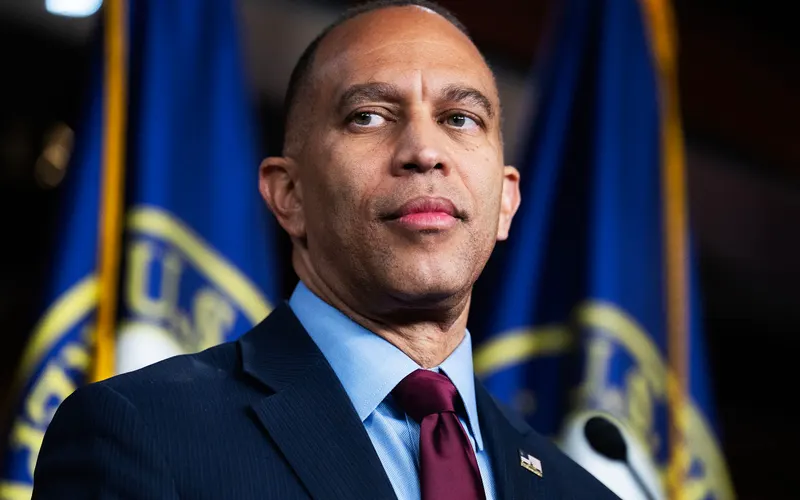
House Democrats Nominate Hakeem Jeffries for Speaker, 251 Votes to 11
Jeffries is set to become the first Black Speaker in U.S. history when the new Congress convenes in January.
43 sources · over 4 days
Judge Ana Reyes temporarily blocks closure of East Potomac Park golf course for Trump redevelopment
A federal judge stopped the planned 15-month closure of a public D.C. park hours before it was due to start, putting Trump's golf course makeover on hold while the lawsuit continues.
24 sources · over 6 days