
Israel's Knesset elects Eisenkot ally Matan Kahana as speaker, dealing Netanyahu a setback
The opposition now controls the parliament's agenda while Gadi Eisenkot tries to form a government, and Netanyahu is accusing the new speaker's backers of supporting terror.
By Hushread Stories, from 37 outlets · First published 18 Nov 2026 · Chapter 2 of 3
In brief
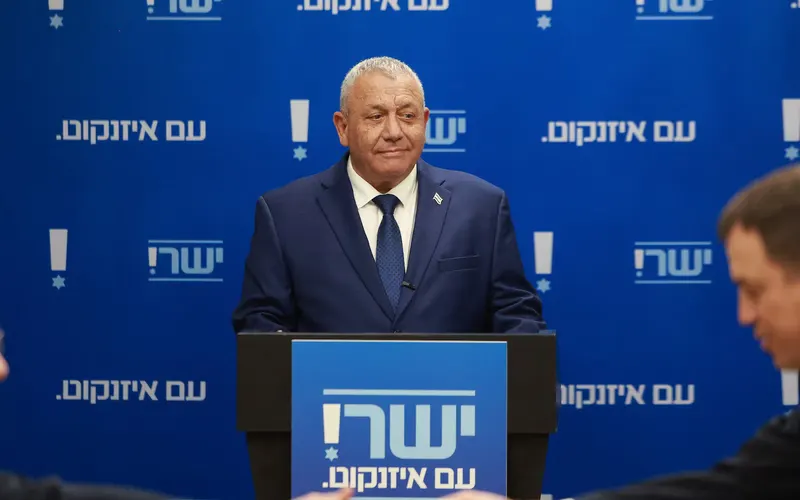
- The Knesset elected Matan Kahana, a lawmaker from Gadi Eisenkot's party, as speaker on November 17, according to several outlets.
- Kahana won 66 votes in the 120-seat chamber, beating Ofir Katz, the candidate of Netanyahu's bloc, who received 53 according to one report.
- Arab parties backed Kahana, which helped the Eisenkot-led bloc reach a majority, according to Al Jazeera and ANSA.
- As speaker, Kahana can advance bills prioritised by the Eisenkot-led bloc, and the opposition has pledged to roll back parts of Netanyahu's agenda.
- Netanyahu, now a caretaker prime minister, called the new speaker's backers supporters of terror, while Eisenkot still works to assemble a governing majority.
Timeline · 9 moments
Parliament meets under Kahana as rollback of Netanyahu agenda begins
South China Morning Post ↗Netanyahu calls Kahana's backers supporters of terror
Times of India ↗Arab parties' backing credited for Kahana's majority
Al Jazeera ↗Eisenkot-led bloc replaces Netanyahu ally in speaker's chair
World News ↗Knesset elects Kahana speaker with 66 votes
Franceinfo ↗Police open internal inquiry over claims they targeted Arab parties
Anadolu Ajansı ↗Opposition accuses Netanyahu of attempted coup against Arab parties
Al Jazeera ↗Opposition demands inquiry into alleged Netanyahu staff election interference
CNN ↗Israel holds national election, disputed by Netanyahu's camp
dawn.com ↗How it started
Israel voted on October 27, and the result left the country without a settled government. Benjamin Netanyahu is now described by several outlets as a caretaker prime minister, while Gadi Eisenkot, a former military chief who leads the Yashar party, has been working to form the next coalition.
The election did not end the fight. Netanyahu's camp alleged the vote was stolen, according to the coverage, and Eisenkot called Netanyahu a direct threat to democracy and promised an inquiry into alleged election interference.
The speaker's chair became the first test of who actually commands a majority in the new parliament.
How it unfolded
In mid-November, reports surfaced that Netanyahu's office may have tried to influence the election. CNN reported that opponents were demanding an investigation after a report alleged his staff tried to sway the vote. Al Jazeera said rivals accused him of an attempted coup, with claims that his office tried to frame Arab party members.
Dawn reported that three people were freed after the allegations proved baseless, and that the attorney general blocked a Shin Bet bid to wiretap Joint List leaders. On November 16, Anadolu reported that Israeli police opened an internal inquiry into claims that officers were used to target Arab parties with talk of them having stolen the election.
The speaker vote came on Tuesday, November 17. Kahana, a close ally of Eisenkot, defeated Ofir Katz, the candidate backed by Netanyahu's coalition. Franceinfo reported that Kahana, a 54-year-old former special forces member, won 66 of 120 votes, and TGcom24 put Katz's total at 53. ZeroHedge gave the tally as 66-52, so the exact margin for the losing side differs between outlets.
Arab parties supported Kahana, according to Al Jazeera and ANSA. That backing mattered because it carried the Eisenkot-led bloc over the line.
Reuters described the result as the Eisenkot-led bloc replacing a Netanyahu ally in the chair. CNN said Netanyahu's grip on power suffered a critical blow, since the speaker gives the opposition greater control over the legislative agenda.
Netanyahu did not take it quietly. The Times of India reported that he fumed at the outcome and labelled the new speaker's backers terror supporters.
Where it stands
Kahana now runs the Knesset's work, and the opposition is moving quickly. NDTV said he was expected to start the process of undoing much of Netanyahu's agenda as soon as Wednesday. The South China Morning Post reported that parliament met under the new speaker that day, with opponents beginning what it called a legislative offensive to roll back Netanyahu's legacy.
The vote does not settle the larger question. Der Spiegel noted that forming a government remains a tightrope act for Eisenkot, and France24 said his main rival still struggles to secure a majority of his own. The Turkish outlet Evrensel reported that Avigdor Liberman and Yair Golan warned Eisenkot not to fall into a national unity trap with Netanyahu.
What to watch
The first test is which bills Kahana moves forward and how fast, since he can now prioritise measures favoured by the Eisenkot-led bloc and its allies.
The second is whether Eisenkot can turn a speaker's majority into a working government, and whether the Arab parties who helped elect Kahana stay on side. The election-interference inquiries and Netanyahu's reaction will also shape how bitter the coming weeks become.
More in Politics
All →
Musk Says He Feels 'Pretty Foolish' After Nearly $500 Million Midterm Spending
The billionaire said he is not MAGA as reported figures for his Republican midterm spending range from about $440 million to nearly $500 million.
46 sources · today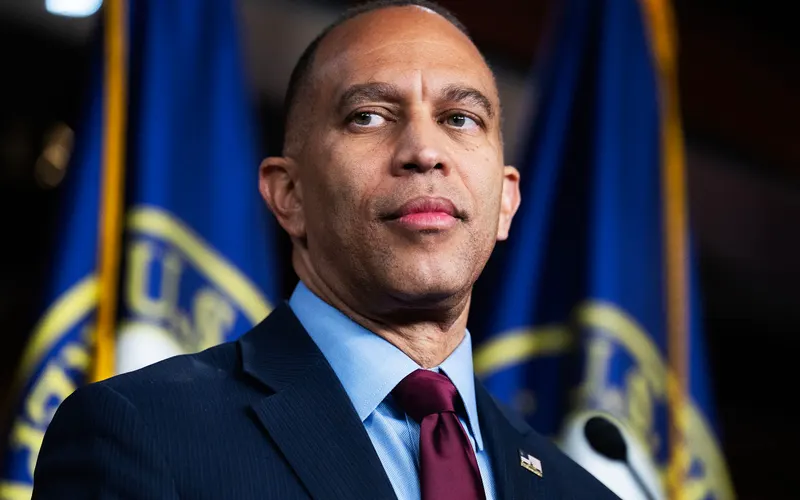
House Democrats Nominate Hakeem Jeffries for Speaker, 251 Votes to 11
Jeffries is set to become the first Black Speaker in U.S. history when the new Congress convenes in January.
43 sources · over 4 days
Judge Ana Reyes temporarily blocks closure of East Potomac Park golf course for Trump redevelopment
A federal judge stopped the planned 15-month closure of a public D.C. park hours before it was due to start, putting Trump's golf course makeover on hold while the lawsuit continues.
24 sources · over 6 days