
Italy Approves Meloni's Electoral Reform Giving Election Winners Bonus Seats
Parliament's final approval changes the rules ahead of Italy's 2027 elections, with Meloni promising greater stability and opponents warning that winners could gain disproportionate power.
By Hushread Stories, written with AI from 8 outlets · First published 8 Oct 2026
In brief
- Italy's Parliament has given final approval to the contested electoral reform backed by Prime Minister Giorgia Meloni.
- The reform provides bonus seats for clear election winners, changing how electoral victories translate into parliamentary power.
- Meloni says the changes will make governments more stable by making parliamentary majorities easier to form.
- Opposition parties accuse the government of changing electoral rules to secure its own hold on power.
- The reform sets the framework for national elections in 2027, while constitutional concerns remain part of the debate.

Timeline · 4 moments
Constitutional concerns add to dispute over electoral reform
ARD Tagesschau ↗Critics warn winning coalitions could gain outsized parliamentary power
Al Jazeera ↗Meloni defends electoral overhaul as route to stable government
BBC World ↗Reform provides bonus seats for clear election winners
DIE ZEIT | Nachrichten, News, Hintergründe und Debatten ↗How it started
Prime Minister Giorgia Meloni pushed an electoral reform built around bonus seats for clear election winners. According to Die Zeit, she argues that the change will make parliamentary majorities easier to form, but could also benefit from it herself.
The dispute is about how much parliamentary power an election victory should deliver. Al Jazeera reported that critics consider the measure undemocratic because it could give a winning coalition outsized power in parliament.
How it unfolded
Meloni's effort had previously failed in July, according to Die Welt. The supplied coverage does not give the date of that setback or explain what prevented passage then.
On October 8, Parliament approved the reform in a secret ballot, Der Spiegel reported. That brought Meloni's proposal through Parliament despite opposition criticism.
CNN Brasil reported that the lower house gave final approval on October 8, setting the framework for national elections in 2027. ARD Tagesschau also described the reform as definitively adopted.
Where it stands
The reform has passed, but the political argument remains sharply divided. According to the BBC, Meloni says it will deliver more stable government, while opposition parties say her purpose is to stay in power.
The coverage identifies bonus seats as the central change but does not specify the qualifying threshold or the number of additional seats. Those details matter to assessing how much the reform could alter the balance of power.
What to watch
The next electoral test identified in the coverage is the national election in 2027. The central question is how the bonus seats will affect the winning coalition's parliamentary strength under the new rules described by CNN Brasil.
ARD Tagesschau also reported constitutional concerns. The supplied coverage does not identify a filed legal challenge or a timetable for any constitutional review.
More in Politics
All →
US Suspends Microsoft, Adobe and Indian IT Firms From Residency Program
The suspensions target a route companies use to sponsor foreign workers for permanent US jobs, widening the administration's crackdown amid allegations of visa and labour programme abuse.
8 sources · today
Protests Against Election Chief Gyanesh Kumar Bring Detentions and Police Cases
Opposition leaders face repeated detentions and fresh police cases as demands for Gyanesh Kumar's resignation intensify, with another major protest planned for October 10.
19 sources · over 7 days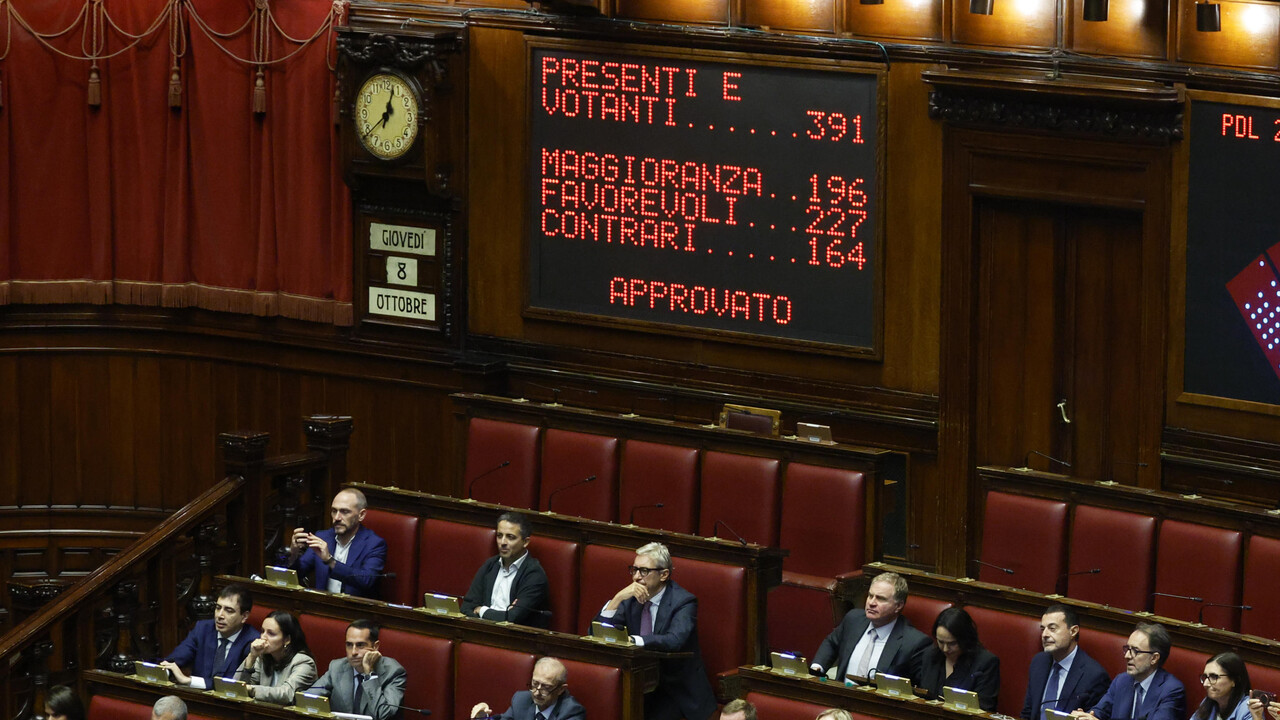
Italy Approves New Electoral Law After Final Secret Parliamentary Vote
The Chamber approved the reform by 227 votes to 164, keeping Prime Minister Giorgia Meloni's majority together ahead of the 2027 election despite opposition protests.
10 sources · over 4 days