
Italy Endures Fifth Heatwave and Severe Storms, Splitting Country in Two
Italy is facing dramatic weather extremes, with record-breaking heat in the south and violent storms in the north, straining emergency services and disrupting daily life as summer 2026 draws to a close.
By Hushread Stories, from 12 outlets · First published 16 Aug 2026
In brief
- Italy is experiencing its fifth heatwave of summer 2026, with southern temperatures reaching near 46°C and red heat alerts in effect.
- Northern regions, including Liguria and Lombardy, are facing severe storms, flooding, and emergency interventions due to recent heavy rainfall.
- As of September, health officials are monitoring the impacts of extreme heat in the south and ongoing storm risks in the north.
- Meteorologists predict another heatwave may hit the south in early September, raising concerns about wildfires and health risks.
- Authorities urge residents to heed local alerts and take precautions, especially vulnerable populations under red heat warnings.
Timeline · 9 moments
Red heat alerts continue in southern cities
Adnkronos - ultimoratop ↗Wildfires and record 46°C heat threaten the south
TGcom24 ↗Heat eases in north, sixth heatwave looms in south
Adnkronos - ultimoratop ↗Storms and hail in the north, extreme heat in the south
La Repubblica ↗Nine cities under red alert as heatwave peaks
Anadolu Ajansı ↗Italy faces summer's most intense heatwave: 45°C highs
Euronews ↗Heatwave returns, red alert in Palermo and other cities
Adnkronos - ultimoratop ↗Yellow weather alerts for storms in eight regions
ANSA.it ↗Floods and storms hit northern Italy, heat persists in south
Euronews ↗How it started
Italy's summer of 2026 began with a series of intense heatwaves, pushing temperatures far above seasonal norms. By late August, the country was already experiencing its fifth major heatwave, according to The Local and Euronews. Southern and central regions saw temperatures rise above 40°C, while the north, after weeks of high heat, started to see a shift towards unstable weather conditions.
This pattern of extremes did not develop overnight. Meteorologists had warned that alternating periods of African anticyclones and Atlantic weather fronts would create a volatile end to the summer, with the country at risk for both heat emergencies and sudden storms. Authorities prepared for impacts in both directions: health risks from the heat and flood risks from the storms.
How it unfolded
On August 21, 2026, storms battered northern Italy, particularly Liguria, Lombardy, and Tuscany, causing flooding and road closures, as reported by Euronews and La Repubblica. At the same time, southern regions remained under heat warnings, with health officials monitoring for heat-related illnesses and outbreaks such as West Nile virus.
By August 24, the Civil Protection Department had issued yellow weather alerts for storms across eight regions in the north and center, including Emilia Romagna, Lazio, and Liguria (ANSA.it). Meanwhile, Palermo and other southern cities faced red heat alerts as temperatures climbed again (Adnkronos - ultimoratop).
The heatwave intensified by the end of August. On August 27 and 28, nine cities reached red alert status for extreme heat, with temperatures peaking at 45°C in some areas, according to Euronews and Anadolu Ajansı. The Health Ministry urged vulnerable groups to stay indoors during the hottest hours. In the north, violent storms and hail led to orange and yellow weather alerts, forcing cities like Milan to close parks and pools (La Repubblica).
The country was effectively split in two: the north grappled with floods, landslides, and hundreds of emergency interventions by firefighters, while the south endured record heat and wildfires, particularly in Sicily and Abruzzo (TGcom24, Fanpage).
Where it stands
As of the start of September, the pattern of extremes continues. Southern Italy remains under red heat alerts, with temperatures near 46°C and persistent risk of wildfires, as reported by Adnkronos and TGcom24. The north has seen some relief with rain and cooler weather, but new storms continue to bring localized floods and damage.
Authorities are monitoring both the health impacts of the prolonged heat in the south and the risk of further severe weather in the north. The country's emergency services remain stretched as they respond to both heat-related incidents and storm damage.
What to watch
Meteorologists warn that the heat is likely to return after a brief respite, with forecasts of another heatwave for the south in early September. The risk of wildfires remains high in the hottest regions, while the north could see more storms as new weather fronts approach.
Officials are urging residents to pay attention to local alerts and to take precautions, especially vulnerable populations in areas under red heat warnings.
More in Environment
All →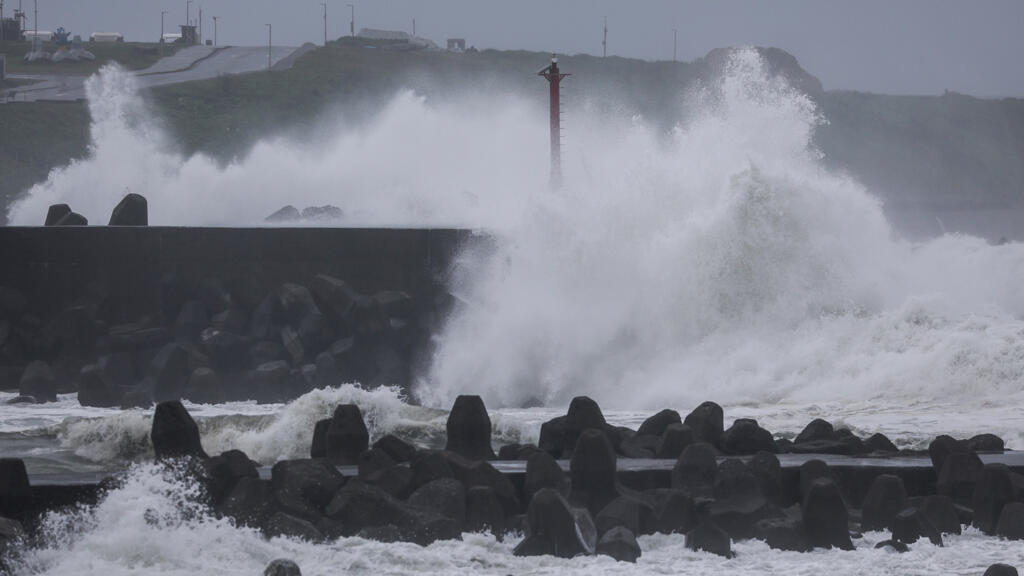
Typhoon Champi Shuts Taiwan, Injures More Than 170 and Cuts Power to 70,000 Homes
Taiwan closed schools and businesses as Champi approached, with nearly 1,000 flights cancelled and reports of deaths, injuries and widespread power cuts.
23 sources · over 5 days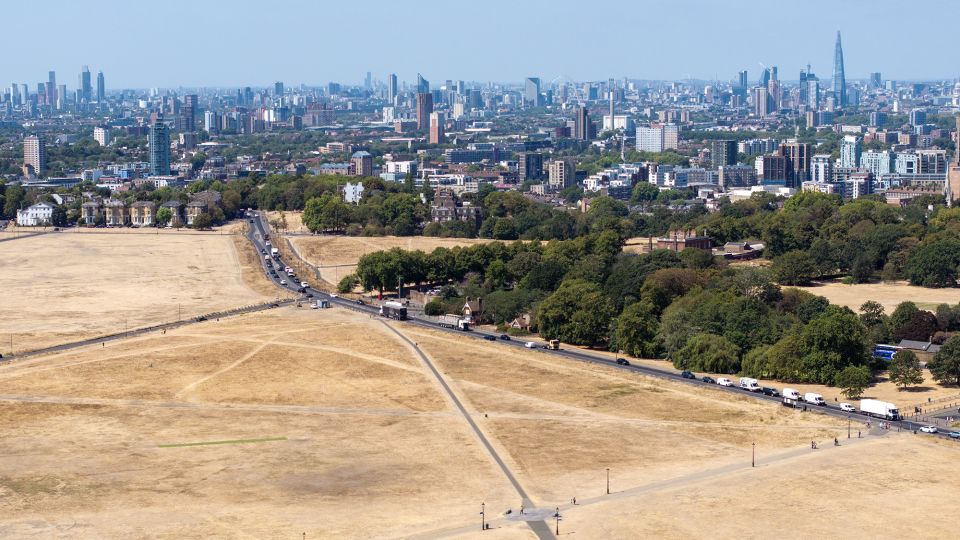
Summer Heat Linked to 50,000 Deaths Across European Cities in 2026
New estimates put this summer's heat death toll at around 50,000 in European cities, with researchers attributing roughly two thirds of those deaths to climate change.
22 sources · today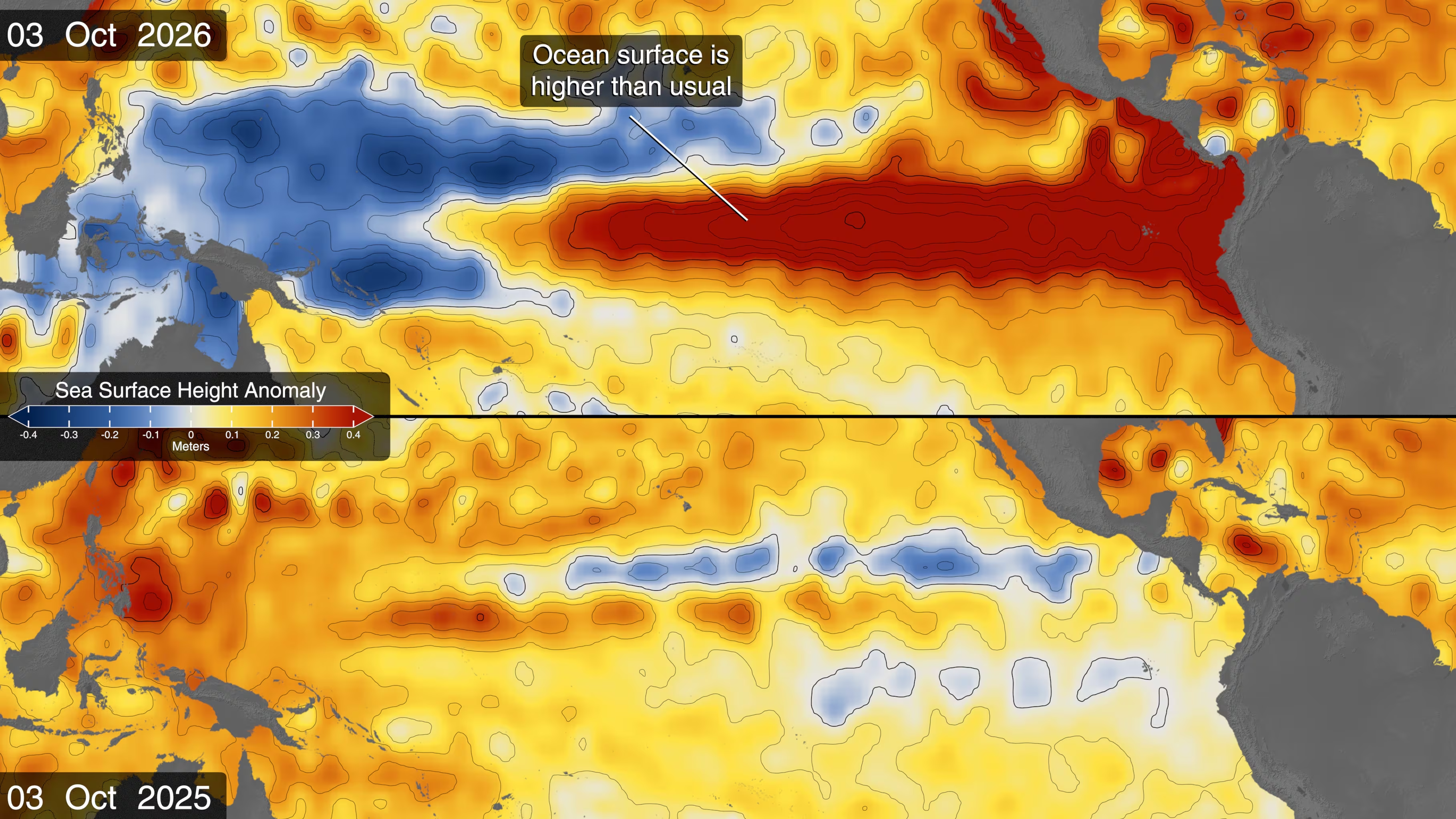
Super El Niño raises Pacific seas as UN warns of unprecedented strength
New forecasts point to exceptional Pacific warming through January, while Peru reports damage to crops, water reserves and fishing, and the UN releases funding for vulnerable countries.
20 sources · over 5 days