
Italy's Living Cost Protests Bring Clashes, Detentions and Tougher Security Measures
Demonstrations over living costs have become a dispute over policing and protest rights, as Italy tightens security and faces allegations of excessive force before further possible clashes.
By Hushread Stories, from 21 outlets · First published 29 Oct 2026 · Chapter 2 of 2
Earlier: Italy's Movimento 17 ottobre Protests Bring Tensions in Several Cities
In brief
- Thousands protested across Italy on October 24 over rising living costs, wages, public services and other grievances.
- Clashes occurred in several cities, while authorities reported nine arrests and 371 people taken to police stations.
- Premier Giorgia Meloni announced additional soldiers for Milan and tougher penalties for minors after earlier unrest.
- A legal monitoring team received 130 reports of alleged police excesses, according to coverage published October 28.
- Authorities remain on alert for possible Friday clashes, while questions persist about policing and earlier intelligence warnings.
Timeline · 8 moments
Report alleges intelligence warning before earlier unrest was ignored
La Repubblica ↗Legal monitors report 130 allegations of police excesses
La Repubblica ↗Piantedosi warns of possible further clashes on Friday
ANSA.it ↗Italy approves tougher security measures to contain protests
The Local ↗Nationwide tally records nine arrests and 371 detentions
Adnkronos - ultimoratop ↗Young protesters clash with police on Rome streets
Euronews ↗Police use tear gas and water cannon in Bologna
TGcom24 ↗Milan students withhold meeting points as security preparations advance
Fanpage ↗How it started
Italy's protests have brought together grievances about household costs and public spending without a single organisation directing them. The Local described online networks, with no party or union behind them, bringing thousands onto the streets this month.
The demands extend beyond prices. Euronews reported demonstrations over wages, living costs and public services, while NDTV Top Stories listed education, corruption, pensions, housing and opposition to war among the issues raised.
Violent unrest in Milan the previous weekend shaped the authorities' response to the October 24 demonstrations. By October 23, ARD Tagesschau reported that the government was responding with a new security decree, even as the social causes of the protests remained.
How it unfolded
On October 23, uncertainty over protest routes complicated preparations. Fanpage reported that students in Milan planned to announce meeting points on Telegram, while police and military positions were already being prepared. ANSA reported searches and 100 people identified ahead of the marches, about half of them minors.
On October 24, security forces deployed ahead of demonstrations in cities including Rome and Milan, according to AP. The Hindu subsequently reported that Premier Giorgia Meloni had announced an additional 500 soldiers for Milan and tougher penalties for minors, whom police said made up a large share of the previous week's violent protesters.
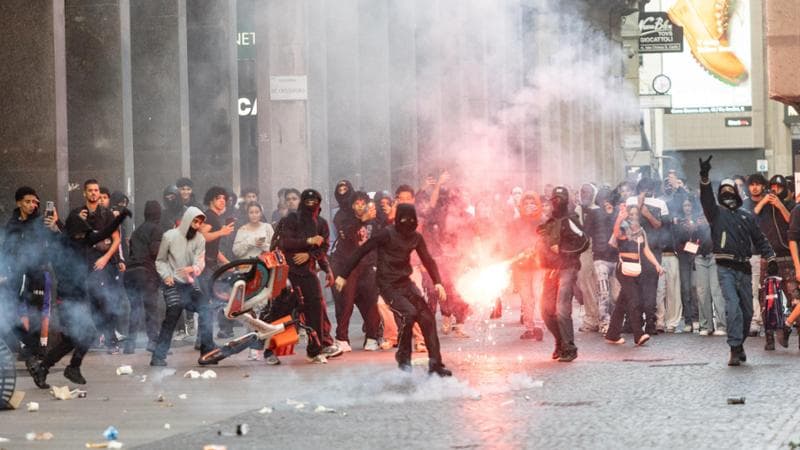
Clashes followed in several cities. In Turin, demonstrators repeatedly tried to break through police barriers, according to Adnkronos. In Bologna, TGcom24 reported that police used tear gas and a water cannon after stones and firecrackers were thrown. Euronews also reported clashes between young protesters and police in Rome.
The marches were largely spontaneous and lacked clear coordination, according to Il Post. Accounts differed in their emphasis on the violence: several reports focused on confrontations, while Euronews described isolated clashes and said no serious clashes had been reported.
By October 25, Adnkronos reported nearly 5,000 people identified, 371 detained, including 110 minors, nine arrests and 87 people reported to judicial authorities. Infobae described the 371 as people taken to police stations, a distinction from the nine formally arrested.
The response continued after the weekend. On October 27, The Local reported that Italy had approved tough new security measures aimed at containing the protests. Its account included criticism from lawyers who described the approach as "myopic".
Where it stands
The dispute now concerns both the protesters' demands and how authorities have handled the streets. On October 28, La Repubblica reported that a legal team monitoring the demonstrations had received 130 reports of alleged police excesses in a few days. These are allegations, not established findings.
A further question concerns preparations for the earlier unrest. On October 29, La Repubblica reported that intelligence services had warned of the disorder that occurred on October 17 and alleged that the Interior Ministry had ignored the warning. The supplied coverage does not establish a response to that allegation.
What to watch
Further confrontations remain a concern. On October 27, ANSA reported that Piantedosi said the unrest was not over and that authorities were on high alert for possible clashes on Friday. He also said there was no reason to believe trade unions would involve violent fringe elements.
The outstanding questions include whether those gatherings bring further disorder, how the new security measures are applied, and whether the allegations about police conduct and ignored intelligence warnings receive an official response.
More in World
All →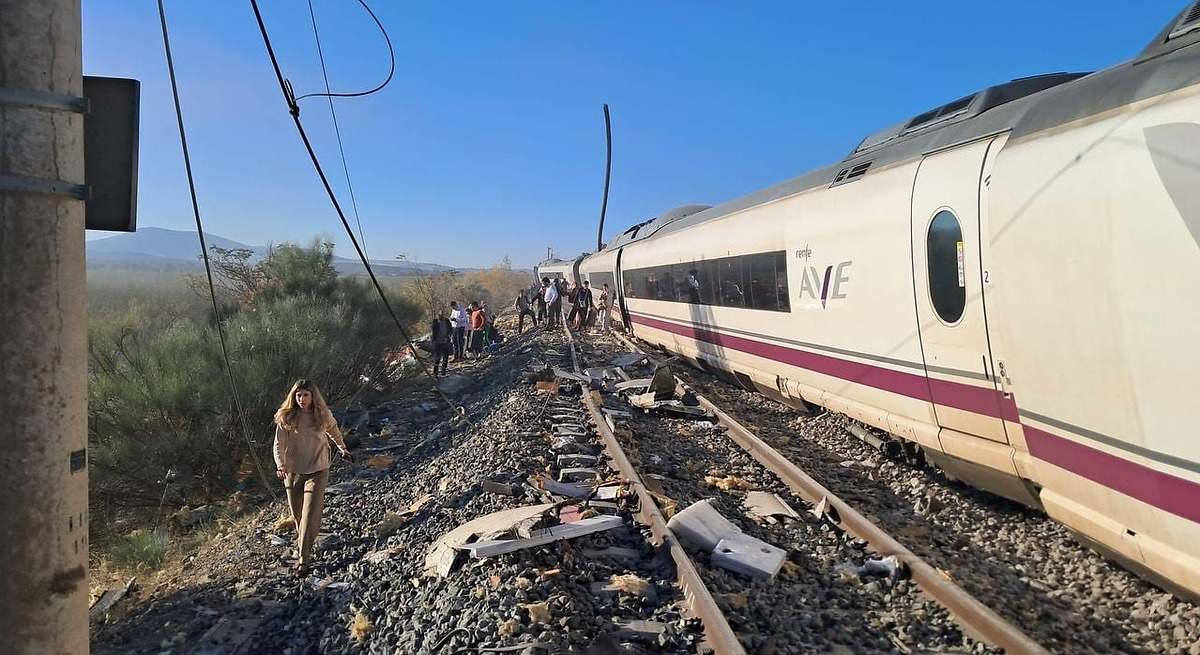
High-Speed Train Collision Near Toledo Kills at Least 68 Passengers
At least 68 people died and more than 100 were injured in the collision, as Spain began three days of mourning.
78 sources · today
Jafar Panahi Given New Prison Sentence as Iranian Court Seizes Assets
The ruling adds to the Iranian filmmaker's earlier conviction, with asset confiscation and restrictions on travel and social media, though the new charges remain unclear.
16 sources · today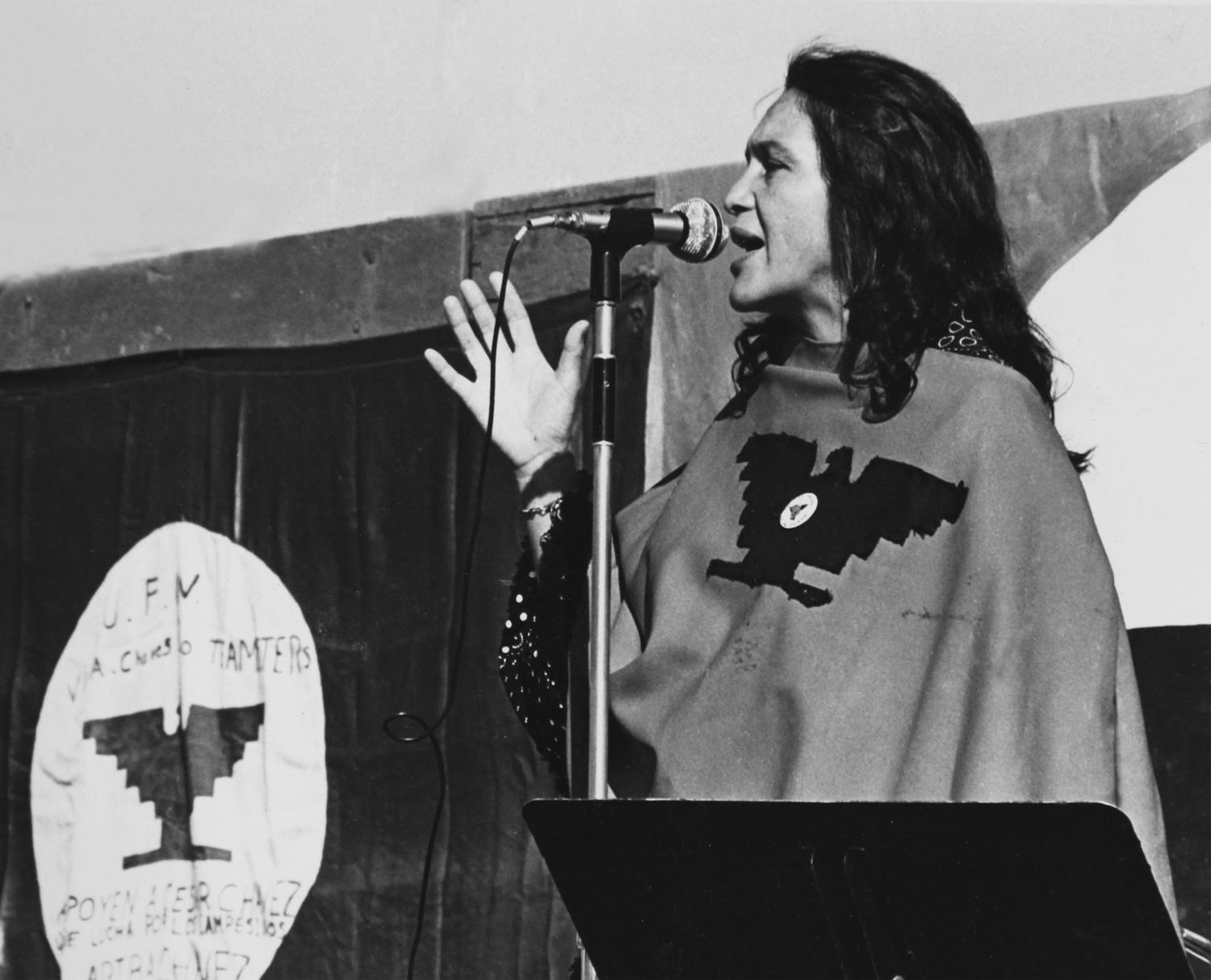
Dolores Huerta, United Farm Workers Co-Founder, Dies at 96
Her family announced the death of a labor and civil rights leader whose organizing improved farmworkers' lives and whose rallying cry reached far beyond the fields.
23 sources · today