
Lula and Flávio Bolsonaro trade attacks in first Brazilian runoff debate
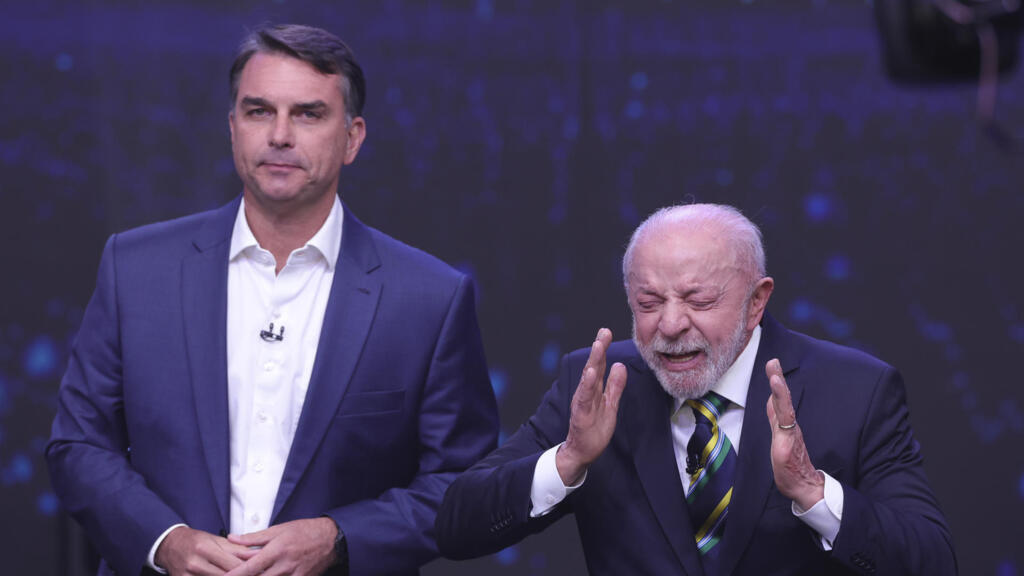
President Luiz Inácio Lula da Silva and Senator Flávio Bolsonaro confronted each other on television with one week left before a runoff that polls suggest remains closely contested.
By Hushread Stories, written with AI from 15 outlets · First published 19 Oct 2026
In brief
- Lula and Flávio Bolsonaro held their first direct presidential debate on Sunday, October 18, on Band television.
- The candidates exchanged corruption accusations and personal insults, with insecurity also featuring prominently in the televised confrontation.
- A Datafolha poll reported before the debate put Bolsonaro at 51 percent and Lula at 49 percent.
- Other recent surveys differed on the leader, leaving the race unsettled ahead of the October 25 runoff.
- Lula has urged supporters to mobilize undecided voters, while Bolsonaro entered the debate promising an aggressive confrontation.
Timeline · 7 moments
Political scientists criticise format in debate assessments
BBC Brasil ↗Candidates exchange personal taunts during Band debate
CNN Brasil ↗Bolsonaro promises confrontation before televised presidential debate
Infobae ↗Bolsonaro supporters stage vehicle procession in Brasília
CNN Brasil ↗Lula urges supporters to mobilize undecided voters
Infobae ↗Datafolha puts Bolsonaro two points ahead of Lula
Perfil.com ↗Electoral court fails to secure campaign truce
CNN Brasil ↗How it started
Brazil's presidential runoff brought President Luiz Inácio Lula da Silva and Senator Flávio Bolsonaro into their first direct debate on October 18. They had not faced each other in a first-round debate, according to BBC Brasil.
Bolsonaro had finished ahead of Lula in the first round, La Nacion reported. But polling before the runoff suggested neither candidate had secured a decisive advantage.
Security was already a central campaign issue. Lula hardened his position by proposing a lower age of criminal responsibility for serious crimes, alongside promises of new economic measures, according to Perfil.com.
How it unfolded
On October 16, CNN Brasil reported that the Tribunal Superior Eleitoral had failed to secure a truce between the campaigns. A meeting convened by minister Kassio Nunes Marques with their legal teams ended without agreement.
On October 17, Perfil.com reported a Datafolha poll showing Bolsonaro on 51 percent and Lula on 49 percent, describing the result as a technical tie. The outlet said the gap had been four to five points a week earlier.
The campaigns also pushed to turn support into votes. Lula asked supporters in Minas Gerais to mobilize undecided voters, Infobae reported on October 17. That day, Bolsonaro supporters held a procession involving cars, motorcycles and boats in Brasília, according to CNN Brasil.
Before the October 18 debate, Bolsonaro promised to confront Lula with accusations of crimes against Brazil, Infobae reported. The remarks signalled the combative approach he intended to take into the studio.
The Band debate that evening brought corruption accusations, arguments over insecurity and personal clashes, according to Perfil.com. In one exchange reported by CNN Brasil, Bolsonaro asked Lula to move closer; Lula responded that he wanted distance from a militiaman, while Bolsonaro countered with a remark about having his wallet stolen. These were personal taunts, not established findings of wrongdoing.
The confrontation also reached foreign relations. Deutsche Welle reported that the candidates sparred over Bolsonaro's ties to US President Donald Trump.
Where it stands
The debate ended with a week remaining before the October 25 vote. The supplied coverage establishes a bitter confrontation, but does not establish that either candidate gained electoral support from it.
Recent polls differ on who leads. Datafolha and Quaest put Bolsonaro ahead, while a Vox Brasil survey gave Lula the advantage, according to Perfil.com. Those findings do not identify a consistent leader across the surveys.
Political scientists interviewed by BBC Brasil criticised the debate format while assessing the candidates' performances. That assessment is separate from evidence of how voters responded.
What to watch
The next decisive event is the October 25 runoff, the date reported by Al Jazeera. With surveys pointing in different directions, the central open question is whether either campaign can convert the final week's campaigning into a winning margin.
Lula's appeal to mobilise undecided voters, reported by Infobae, gives a concrete focus for his closing campaign. Whether the debate's attacks persuaded those voters remains unanswered in the available coverage.
More in Politics
All →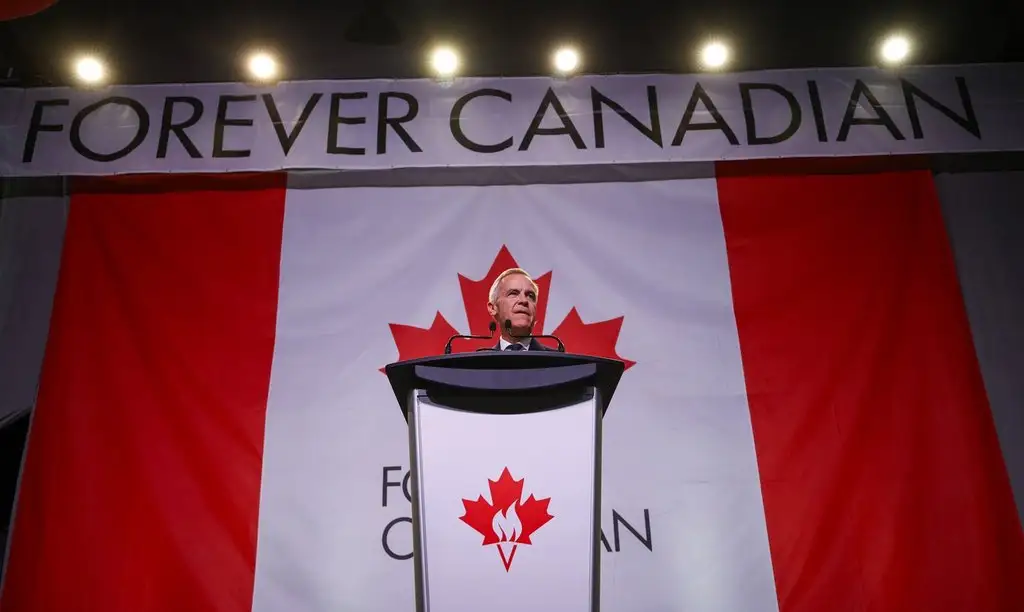
Alberta heads to separation referendum as Carney and Smith urge unity
Albertans vote Monday on whether to begin a path toward a binding independence referendum, with polls favouring Canada and political leaders seeking a decisive result.
26 sources · over 8 days
Justice Department sues California over voter rolls, warns election workers
The federal government wants roughly 20,000 voters' mail ballots withheld from counting, and has warned California election officials of possible prosecution weeks before the midterms.
15 sources · over 5 days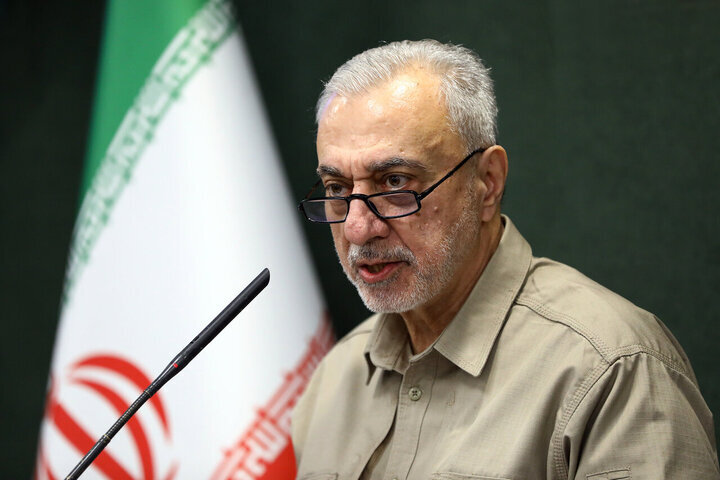
Iran's Parliament Approves Mehrdad Akhlaghi Ketabchi as New Defense Minister
The parliamentary vote confirms a veteran defense industry official as minister after his predecessor's killing, with Akhlaghi already addressing military capabilities and issuing warnings to the United States.
16 sources · over 2 days