
Maricarmen Abascal's death renews housing protests as Spain faces early election
The death of an 87-year-old Madrid pensioner two weeks after her eviction has brought thousands back onto the streets and intensified a housing dispute ahead of elections.
By Hushread Stories, written with AI from 39 outlets · First published 10 Oct 2026 · Chapter 3 of 3
Earlier: Maricarmen Abascal's death renews Spain's housing protests and political anger
In brief
- Maricarmen Abascal died in hospital on October 7, two weeks after being forcibly evicted from her Madrid home.
- Police and social workers removed her by stretcher from the apartment where she had lived for over 70 years.
- About 20,000 people joined a memorial march in Madrid on October 8, according to the government delegation.
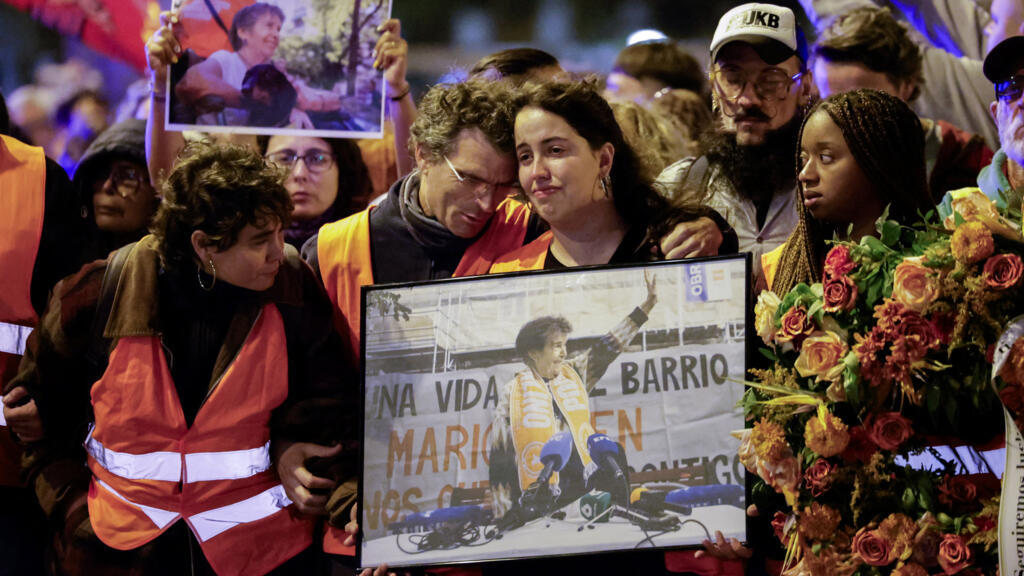
- Protesters remain camped in Puerta del Sol, keeping her memory alive with candles, flowers and messages.
- Spain faces an early election next month after Parliament rejected measures to protect tenants and freeze rents.
Timeline · 6 moments
Sol protesters maintain candlelit memorials after the march
Infobae ↗Politicians trade blame ahead of next month's election
Arab News ↗About 20,000 assemble for memorial march through Madrid
Infobae ↗Hundreds gather near parliament to honour Abascal
Euronews ↗Tenants' union announces death of housing protest symbol
CNN Brasil ↗Police remove Abascal by stretcher from longtime Madrid home
The Hindu ↗How it started
María del Carmen Abascal, widely known as Maricarmen, had lived in her Madrid apartment for more than 70 years. On September 23, police and social workers removed the 87-year-old by stretcher, according to The Hindu.
Her eviction became a symbol of Spain's housing crisis and sparked nationwide protests. The Independent reported that she had been hospitalized ever since her removal. According to Japan Times, she was being treated for severe anxiety and exhaustion.
Reports differ on the rent increase behind the dispute. The Independent says an investment firm tried to raise her rent by 230%, while Fanpage puts the increase at 275%. The supplied coverage does not resolve that discrepancy.
How it unfolded
The September 23 eviction set off a wave of housing demonstrations that developed into a political crisis. South China Morning Post reported that the protests ultimately led to an early election.
On October 7, Madrid's tenants' union announced Abascal's death, according to CNN Brasil. She died while hospitalized, two weeks after losing her home, NPR reported. The coverage does not establish a medical cause of death.
On October 8, hundreds gathered near Spain's parliament in Madrid to honour her and demand action on housing, Euronews reported. That afternoon, about 20,000 people assembled in Puerta del Sol for a memorial march towards her former home, according to the government delegation cited by Infobae.
The same day, politicians traded blame over her death as the country approached an early election next month, Arab News reported. Grief over one eviction had become part of the election debate.
By the early hours of October 9, protesters camping in Puerta del Sol were maintaining two memorials with candles, flowers and messages, according to Infobae. The march had ended, but the protest camp remained.
Where it stands
Abascal's death has renewed rather than quieted the campaign against evictions. Euronews reported tens of thousands marching in Madrid, while The Independent described her death as reenergizing the movement to stop evictions.
The housing dispute now sits at the centre of an election crisis. Al Jazeera reported that the snap vote was called after Parliament rejected measures to protect tenants and freeze rents. ARD Tagesschau also reported that a strike had been announced.
What to watch
The next concrete developments are the announced strike and the early election next month. The supplied coverage gives no strike date or detailed programme, and Arab News reports political blame rather than agreement on a housing response.
The unresolved policy issue is what happens to tenant protections and rent freezes after their rejection in Parliament, as reported by Al Jazeera. The continuing camp in Puerta del Sol is another sign of whether the mobilisation lasts beyond the memorial marches.
More in World
All →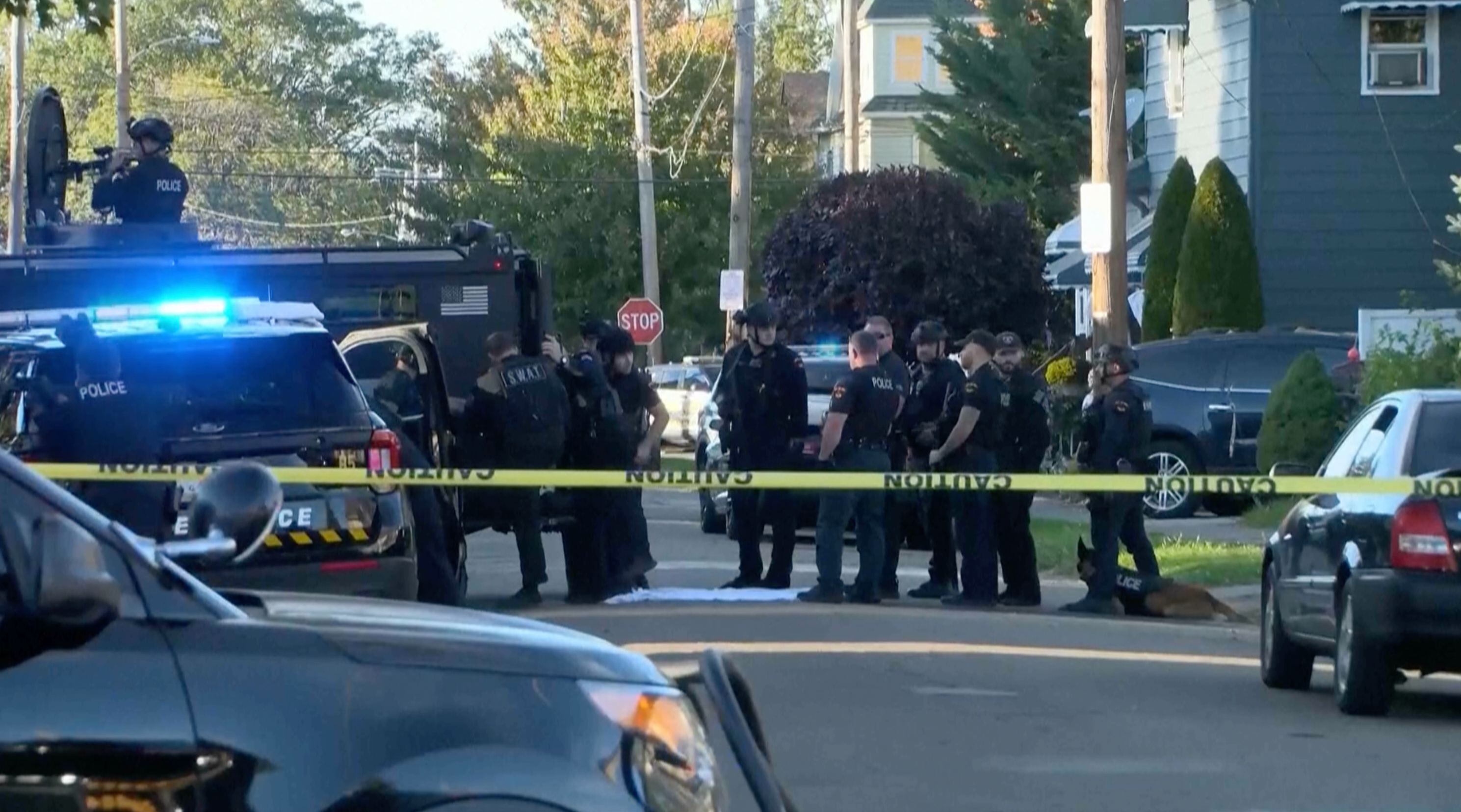
Erie Shooting Leaves Nine Dead as Police Investigate Suspected Murder-Suicide
Authorities say nine people died in Erie, Pennsylvania, including the shooter, as police investigate an attack reported to have killed two children and a pregnant woman.
14 sources · today
Navi Pillay wins Nobel Peace Prize amid clash over international justice
The South African jurist's award has drawn praise from human rights advocates and condemnation from Israel, as new US sanctions intensify the dispute over international courts.
73 sources · over 3 days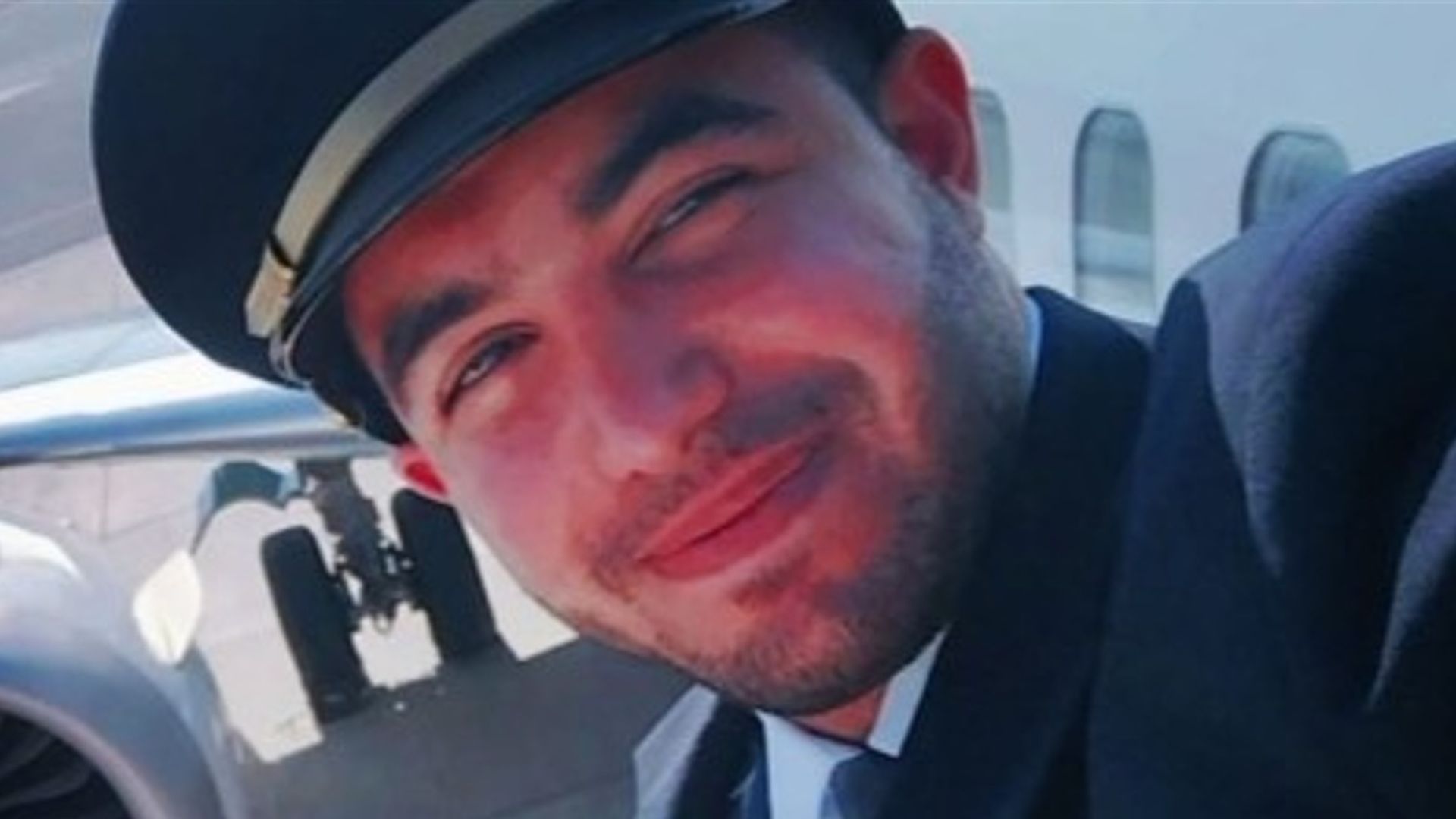
UAE Says Flydubai Co-Pilot Planned Airport Attack as Israel Refuses Flights
The UAE prosecutor's account of a planned suicide attack adds new stakes to Flydubai's rejected request to restart Tel Aviv services and the separate safety investigation.
42 sources · over 3 days