
Navi Pillay wins Nobel Peace Prize amid clash over international justice
The South African jurist's award has drawn praise from human rights advocates and condemnation from Israel, as new US sanctions intensify the dispute over international courts.
By Hushread Stories, written with AI from 73 outlets · First published 10 Oct 2026 · Chapter 2 of 2
Earlier: Navi Pillay wins 2026 Nobel Peace Prize for international law work
In brief
- Navi Pillay won the 2026 Nobel Peace Prize on October 9 for promoting peace and international law.
- The 85 year old South African jurist is a former UN human rights chief and current international judge.
- The Nobel committee described her award as a message against efforts to undermine international rules and institutions.
- Israel condemned the choice over Pillay's leadership of a UN commission that found genocide in Gaza.
- Pillay called newly announced US sanctions against the International Criminal Court unacceptable, according to October 10 coverage.
Timeline · 5 moments
Pillay calls US sanctions against international court unacceptable
Middle East Eye ↗US announces sanctions against International Criminal Court
DW Türkçe ↗Trump reposts statement attacking choice of Nobel winner
New York Post ↗Israel condemns award over Pillay's Gaza inquiry role
NYT World News ↗Nobel committee awards Peace Prize to Navi Pillay
Global News ↗How it started
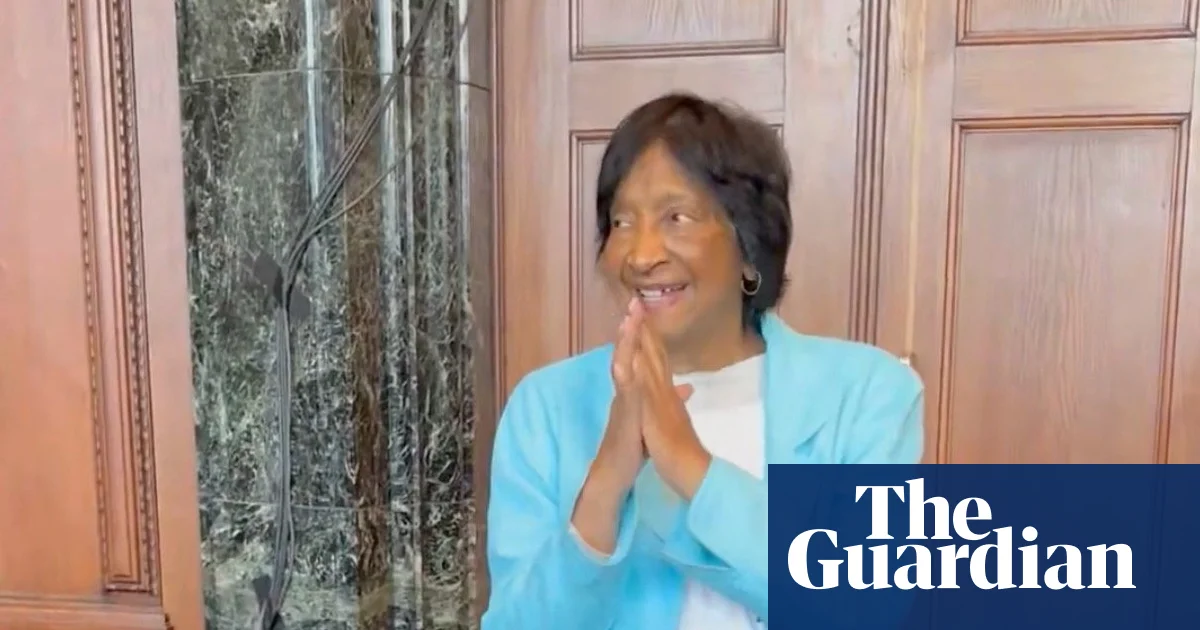
Navanethem "Navi" Pillay's career in international justice began with the struggle against racism in South Africa. The New York Times reported that her work fighting apartheid shaped her later career as a judge and advocate for human rights.
Her family history also connects South Africa and India. According to Mint, her grandparents travelled from India to South Africa as indentured labourers.
Pillay went on to serve at the International Criminal Tribunal for Rwanda and the International Criminal Court, The Hindu reported. Now 85, the former UN human rights chief serves as an ad hoc judge at the International Court of Justice, according to the Guardian.
How it unfolded
On October 9, the Nobel committee awarded Pillay the 2026 Peace Prize for her efforts to promote peace and international law. Global News reported that the committee described the choice as a message to those seeking to undermine "the international rules-based system and the institutions."
South African President Cyril Ramaphosa congratulated her that day, according to CNN Brasil. The Nelson Mandela Foundation also welcomed the award and recalled her work against apartheid, Infobae reported.
Israel's government sharply criticised the decision on October 9. The dispute centres on Pillay's leadership of a UN commission that said Israel had committed genocide against Palestinians, according to The New York Times. NDTV reported that the commission made its finding last year and does not speak on behalf of the UN as a whole.
President Trump reposted a statement denouncing Pillay's selection, the New York Post reported. Separately, the US announced sanctions against the International Criminal Court, according to DW Türkçe. These were sanctions against the court, not a measure against the Nobel committee.
Pillay said she would dedicate the prize to survivors of international crimes, Deutschlandfunk reported on October 9. By October 10, she had also called the US sanctions against the International Criminal Court "unacceptable", according to Middle East Eye.
Where it stands
The award recognises a career spanning South Africa's anti-apartheid struggle, international criminal tribunals and UN human rights work. Amnesty International welcomed it as recognition of Pillay's lifelong commitment to human rights, justice and accountability.
But the immediate reaction has focused heavily on Gaza and the authority of international legal institutions. Israel's Foreign Ministry described the award as a "grotesque weaponization" of the Peace Prize, The Hill reported. That condemnation contrasts directly with the Nobel committee's stated defence of international rules and institutions.
More in World
All →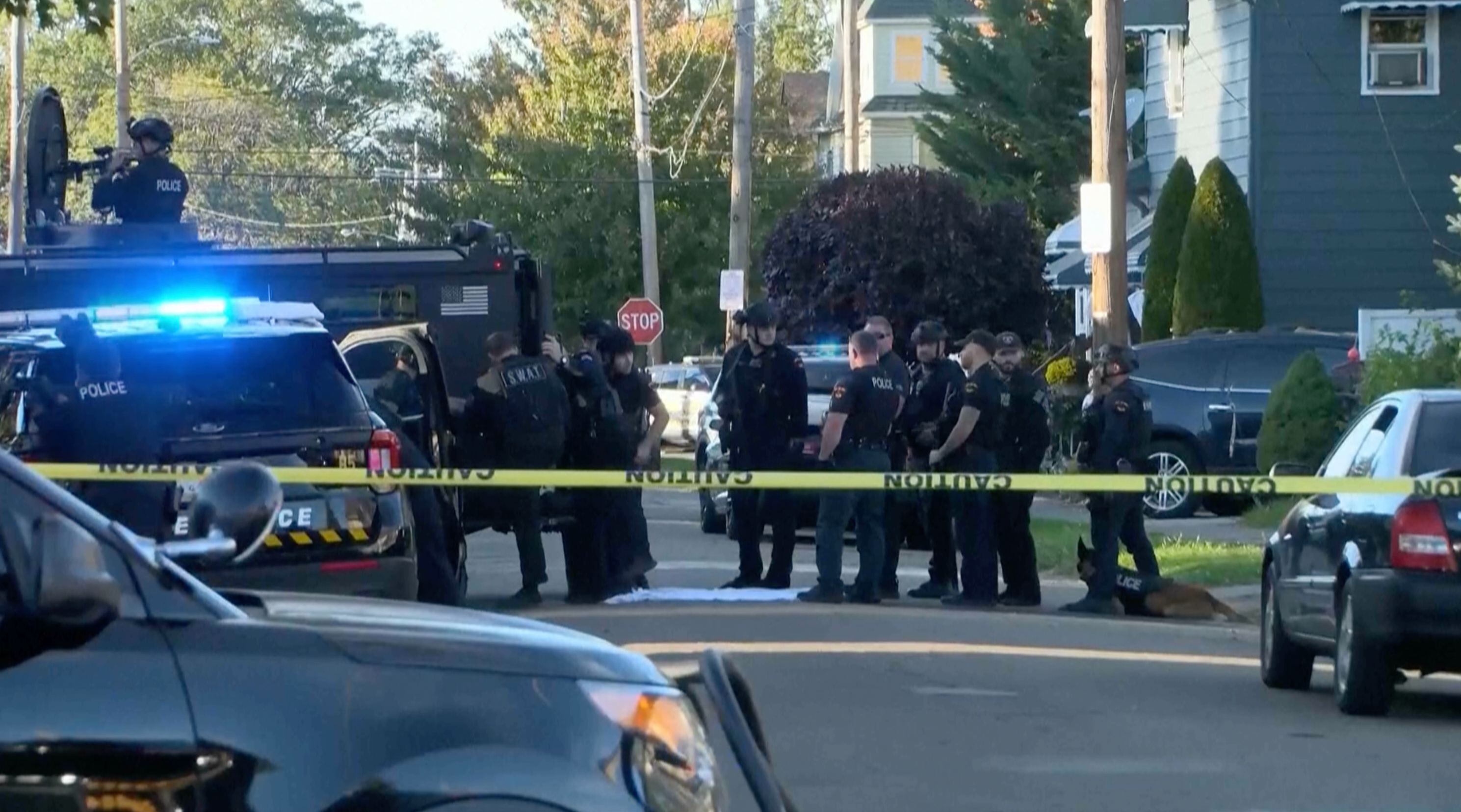
Erie Shooting Leaves Nine Dead as Police Investigate Suspected Murder-Suicide
Authorities say nine people died in Erie, Pennsylvania, including the shooter, as police investigate an attack reported to have killed two children and a pregnant woman.
14 sources · today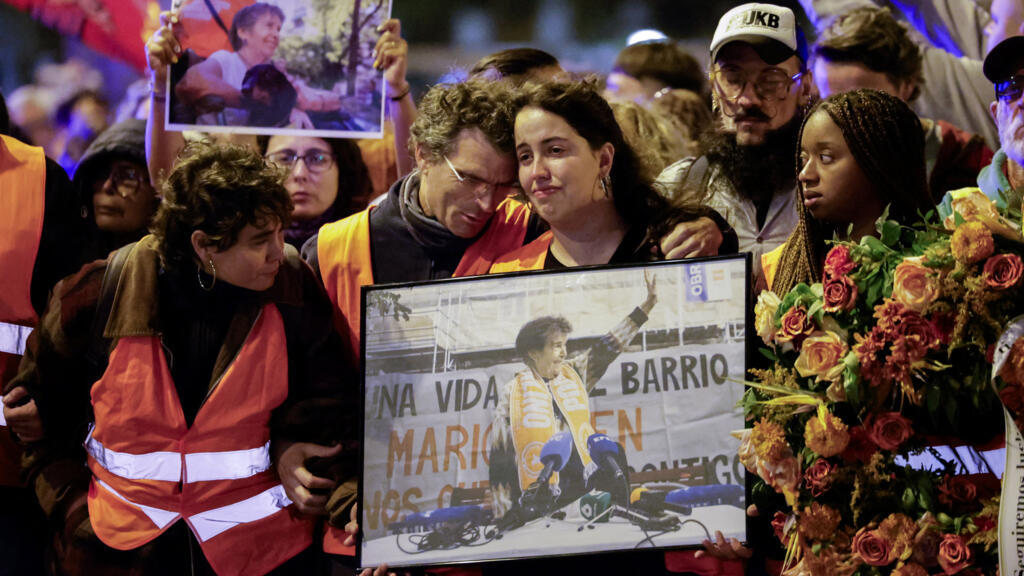
Maricarmen Abascal's death renews housing protests as Spain faces early election
The death of an 87-year-old Madrid pensioner two weeks after her eviction has brought thousands back onto the streets and intensified a housing dispute ahead of elections.
39 sources · over 3 days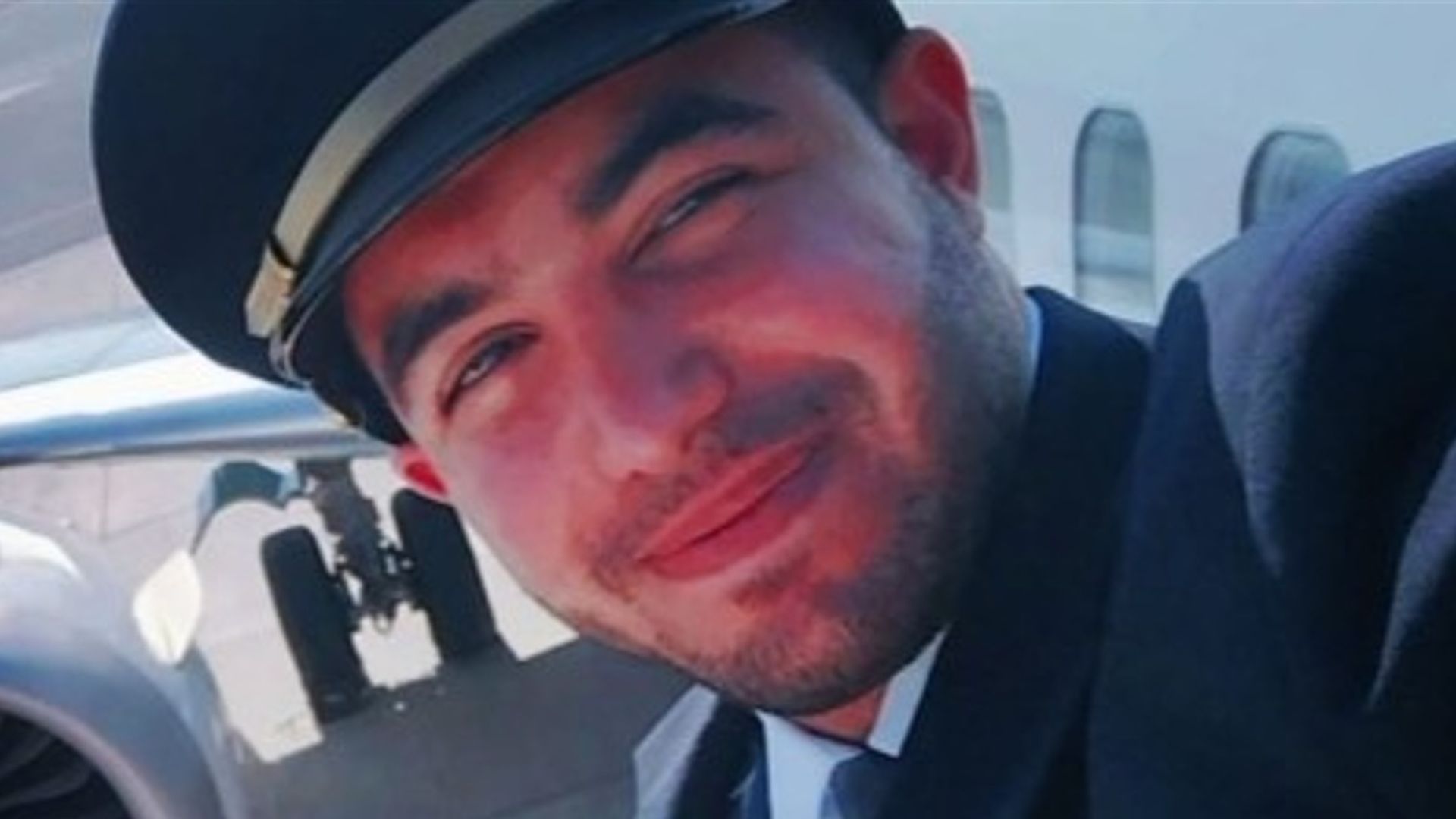
UAE Says Flydubai Co-Pilot Planned Airport Attack as Israel Refuses Flights
The UAE prosecutor's account of a planned suicide attack adds new stakes to Flydubai's rejected request to restart Tel Aviv services and the separate safety investigation.
42 sources · over 3 days