
Milburn review urges youth jobs guarantee and benefit cuts for under-25s
Alan Milburn's report on young people not in education, employment or training proposes the biggest welfare overhaul in over a decade, and the government has backed its direction while Labour MPs weigh the cost.
By Hushread Stories, from 13 outlets · First published 17 Nov 2026 · Chapter 2 of 2
Earlier: Milburn review urges overhaul of youth welfare, ending sickness benefits for under-25s
In brief
- Alan Milburn's review calls for a complete reset of the system to tackle youth unemployment and avoid a lost generation.
- The plan proposes a legal guarantee of a job or training place for every young person who needs one.
- Wage subsidies and lower employer national insurance would apply to people aged 21 to 24 to encourage hiring.
- Under-25s would lose access to main sickness and disability benefits, replaced by a new youth allowance.
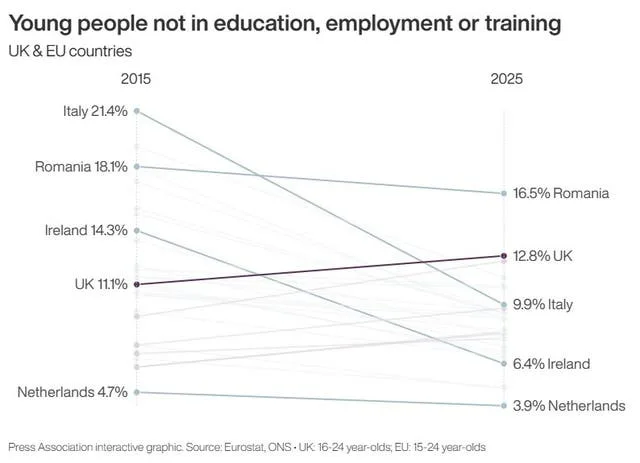
- The reforms aim to cut the Neet rate from 13% to around 5% by 2036, though savings would take about a decade.
Timeline · 15 moments
Independent asks whether Burnham can deliver Milburn's NEET plan
The Independent ↗Chris Mason says Milburn report may give MPs a welfare case
BBC News ↗Burnham open to cutting employer national insurance for under-25s
The Guardian ↗Milburn warns zero-hours restrictions could worsen youth unemployment
Home | GB News ↗Burnham suggests Neet welfare reforms could extend to over-25s
Yahoo! UK News ↗Burnham defends Milburn report and calls for a new social contract
The Times ↗Milburn appointed to chair Youth Opportunities Unit
Latest news, sport and opinion from the Guardian ↗Review published, government backs welfare shake-up
BBC Politics ↗Milburn calls for complete system reset
Reuters ↗Wage subsidies and national insurance cuts reported
The Times ↗Update 18 Nov 2026, 8:26 pm UTC
Since the piece was written, the Independent has run analysis asking whether Andy Burnham can deliver the plan, calling the ambition "staggeringly" high, and the Coventry Telegraph has looked at what the shake-up means for young people locally, including the push towards work and the benefit changes. The core proposals and the 5% target by 2036 remain as originally reported, so the headline and key facts still stand, with the new coverage adding the political question of delivery.
Update 18 Nov 2026, 10:11 am UTC
Since the report came out, the story has shifted towards the government's response. Chris Mason of BBC News argues the report may give Labour MPs a moral case for welfare reform, and The Guardian reports that Prime Minister Burnham is considering cuts to employer national insurance to create more youth jobs. The core proposals and the 13% to 5% Neet target still stand, so the headline and key points remain accurate.
Update 18 Nov 2026, 4:09 am UTC
Coverage since the 17 November publication has mostly focused on reaction and detail rather than changing the core facts. Prime Minister Andy Burnham defended the report in The Times, describing a "new social contract" for young people, and Yahoo! UK News reported he suggested similar welfare reforms could extend to over-25s. GB News carried Milburn's warning that restrictions on zero-hours contracts could worsen the problem, while the Daily Mail put the price of a whole-system reset in the billions.
How it started
Alan Milburn, a former Labour health secretary, spent a year examining why so many young people in Britain are not in education, employment or training, known as Neets. The government commissioned the work, and it was due to land as one of the most contentious welfare proposals in years.
The number involved is large. The Conversation put it at nearly 1 million young people. The Times reported that Milburn would warn one in six young people could be Neet by 2031 without a welfare reset.
How it unfolded
Details leaked ahead of publication. On 11 November, the BBC reported that some under-25s would receive fewer benefits under a radical overhaul, while The Times said the review would recommend a new youth allowance and take young people off sickness benefits.
The next day, the Daily Mail reported that a Labour revolt was already brewing, saying under-25s would be barred from the health element of universal credit and from personal independence payments. The Guardian added that some young disabled people would lose Pip but could apply to a local fund. The Times said No 10 backed an overhaul, though a spokeswoman for Andy Burnham declined to say whether existing claimants would be protected. On 13 November, the Guardian reported that Downing Street was considering extending the changes to older age groups.
On 14 November, Milburn told the BBC that young people should have a legal guarantee of a job or training, which he called an opportunity guarantee. The Independent carried the same line. At the weekend, Pat McFadden said some people would lose benefits they are currently eligible for, and the Guardian quoted Milburn saying there is no such thing as a free lunch and that it would take a decade for the benefits bill to come down. Yahoo News reported Burnham calling benefits the backstop, not the starting point.
On 15 November, The Times reported plans for wage subsidies and benefit cuts for those who refuse help, and the BBC said the report would call for national insurance cuts for under-25s.
Where it stands
Milburn published the report on 17 November. Reuters quoted its call for a complete system reset, and Express & Star reported targets of cutting the Neet rate from 13% to around 5% by 2036, putting about 600,000 more young people a year into education, work or training. The Times put the cost of his plan at 5.8bn pounds, and the Daily Mail had earlier claimed a plan costing taxpayers 6bn pounds more.
The BBC reported that the government backed the shake-up, which diverts spending from benefits towards job support. The Guardian said Burnham appointed Milburn to chair a new Youth Opportunities Unit. GB News reported Milburn telling employers to wean themselves off migrant labour.
What to watch
The main test is whether Labour MPs accept cuts to young people's sickness and disability benefits, and whether existing claimants are protected, a question The Times said Downing Street had not answered. The Financial Times said the report tests Burnham's appetite for contentious reform.
Also open is how the programme is funded when savings take about a decade, and whether the changes extend beyond under-25s, as the Guardian said No 10 was considering.
More in Politics
All →
Musk Says He Feels 'Pretty Foolish' After Nearly $500 Million Midterm Spending
The billionaire said he is not MAGA as reported figures for his Republican midterm spending range from about $440 million to nearly $500 million.
46 sources · today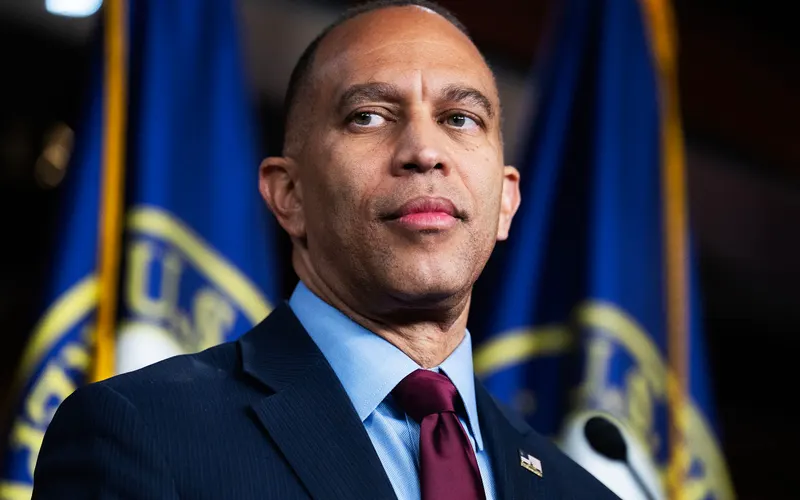
House Democrats Nominate Hakeem Jeffries for Speaker, 251 Votes to 11
Jeffries is set to become the first Black Speaker in U.S. history when the new Congress convenes in January.
43 sources · over 4 days
Judge Ana Reyes temporarily blocks closure of East Potomac Park golf course for Trump redevelopment
A federal judge stopped the planned 15-month closure of a public D.C. park hours before it was due to start, putting Trump's golf course makeover on hold while the lawsuit continues.
24 sources · over 6 days