
Musk's Nearly $500 Million Midterm Push Ends in Republican Defeat
Democratic victories in Congress and Texas have left Elon Musk facing promised investigations and steep losses in his companies' market value after an extraordinary political spending campaign.
By Hushread Stories, from 50 outlets · First published 9 Nov 2026 · Chapter 4 of 4
Earlier: Musk's Nearly $500 Million Midterm Push Ends in Republican Defeats
In brief
- Elon Musk spent nearly half a billion dollars supporting Republicans, but Democrats won both chambers of Congress.
- In Texas, Musk backed Ken Paxton against James Talarico for Senate, but Talarico won the race.
- Tesla and SpaceX lost hundreds of billions of dollars in combined market value after the election.
- Democrats in Congress and Texas are promising scrutiny of Musk, including his government contracts and DOGE leadership.
- The scope of potential investigations remains unsettled, while investors weigh risks to Musk's broader business plans.
Timeline · 6 moments
Broader AI stock plunge cuts Musk's wealth further
Business Insider ↗Democrats in Congress and Texas promise Musk probes
Forbes - Business Business & Economy ↗Tesla and SpaceX losses exceed $420 billion combined
CNBC ↗Musk deletes election post following Democratic victories
The Daily Beast Latest Articles ↗Texas results reveal defeat for Musk's Senate bet
cnn.com ↗Democrats win both chambers despite Musk's Republican spending
Forbes ↗How it started
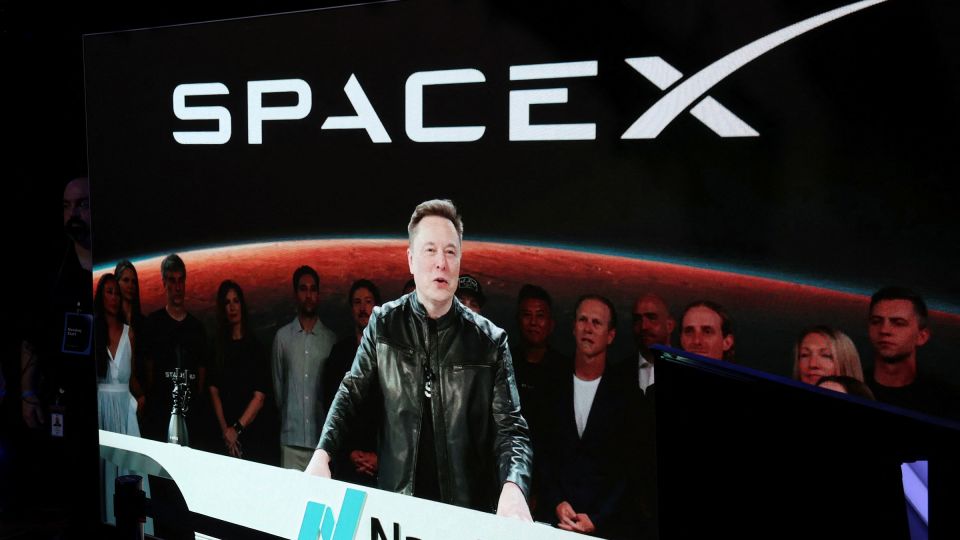
Elon Musk committed nearly half a billion dollars to supporting Republicans in the 2026 midterms. The spending was intended to help keep Washington friendly to his business empire, according to the South China Morning Post.
Texas was central to the effort. CNN reported that most of Musk's spending went toward helping Ken Paxton defeat Democrat James Talarico in the state's Senate race. Texas is also the base of Tesla and SpaceX, according to The Next Web.
The reported spending totals differ. Fast Company cited a tally of about $474 million through October 14, when the available FEC and IRS filings stopped. PBS put the figure at $445 million, while The Guardian reported $446 million given to Republican-aligned groups since the previous year. The supplied coverage does not establish one final total.
How it unfolded
By November 4, the scale of the defeat was clear. Democrats had won both chambers of Congress despite Musk's financial support for Republicans, Forbes reported. France24 also reported declines in Tesla and SpaceX shares following the results.
On November 5, reporting detailed the Texas losses. Talarico defeated Paxton, according to CNN, and the state elected a Democratic governor as well as a Democratic senator, The Next Web reported.
Musk also removed public appeals to Republican voters. On November 5, The Daily Beast reported that he had deleted an election-day post after the Democratic victories. NDTV reported that another removed message, pinned on October 29, had urged Americans to vote for Republican senators.
The financial fallout grew. On November 5, CNBC reported that Tesla and SpaceX had lost more than $420 billion in combined market value. MarketWatch put the two-day decline at $450 billion. Those reports give different totals, but both describe a substantial selloff.
The losses were not confined to Musk's companies. On November 6, Business Insider reported that nine technology figures lost $150 billion in wealth during Thursday's AI stock plunge, including an $80 billion loss for Musk. That broader decline makes it difficult to treat every market loss as a direct verdict on his election spending.
Where it stands
Musk now faces political scrutiny from the party he spent heavily to defeat. Forbes reported on November 5 that Democrats in Congress and Texas were already promising to investigate him. Earlier, NPR identified his leadership of DOGE and government contracts as likely subjects of scrutiny.
By November 9, Axios described Musk's empire as bracing for a Democratic crackdown. The distinction matters: promised scrutiny is not the same as completed investigations or new restrictions. The supplied coverage does not establish what formal action has begun.
What to watch
The next concrete development is whether Democrats turn their promises into formal investigations, and which contracts or activities they examine. NPR identified potential areas of inquiry, but the coverage does not provide a timetable.
Investors are also watching the implications for business plans. CNA reported that the results clouded the outlook for data centers and a merger. Whether those concerns produce actual delays or changes remains unresolved in the supplied reporting.
More in Politics
All →
Teddy Riner announces candidacy for France's 2027 presidential election
The Olympic judo champion has entered the presidential race, saying he wants to unite the French while continuing his sporting career, with policy and campaign details still unclear.
20 sources · today
Gadi Eisenkot Gets Six Weeks to Build Israel's Next Government
Gadi Eisenkot has a mandate to form a coalition, but a seat shortfall and disputes over military conscription leave Benjamin Netanyahu with room to influence the outcome.
24 sources · over 2 days
Hegseth Defies Impeachment Threat as Trump Backs Him After Midterm Losses
A Republican lawmaker plans to force an impeachment vote as soon as next week, testing support for Defense Secretary Pete Hegseth after election losses blamed on the Iran war.
77 sources · over 6 days